
Why Federal Drug Sentences Are Often More Severe Than State Sentences
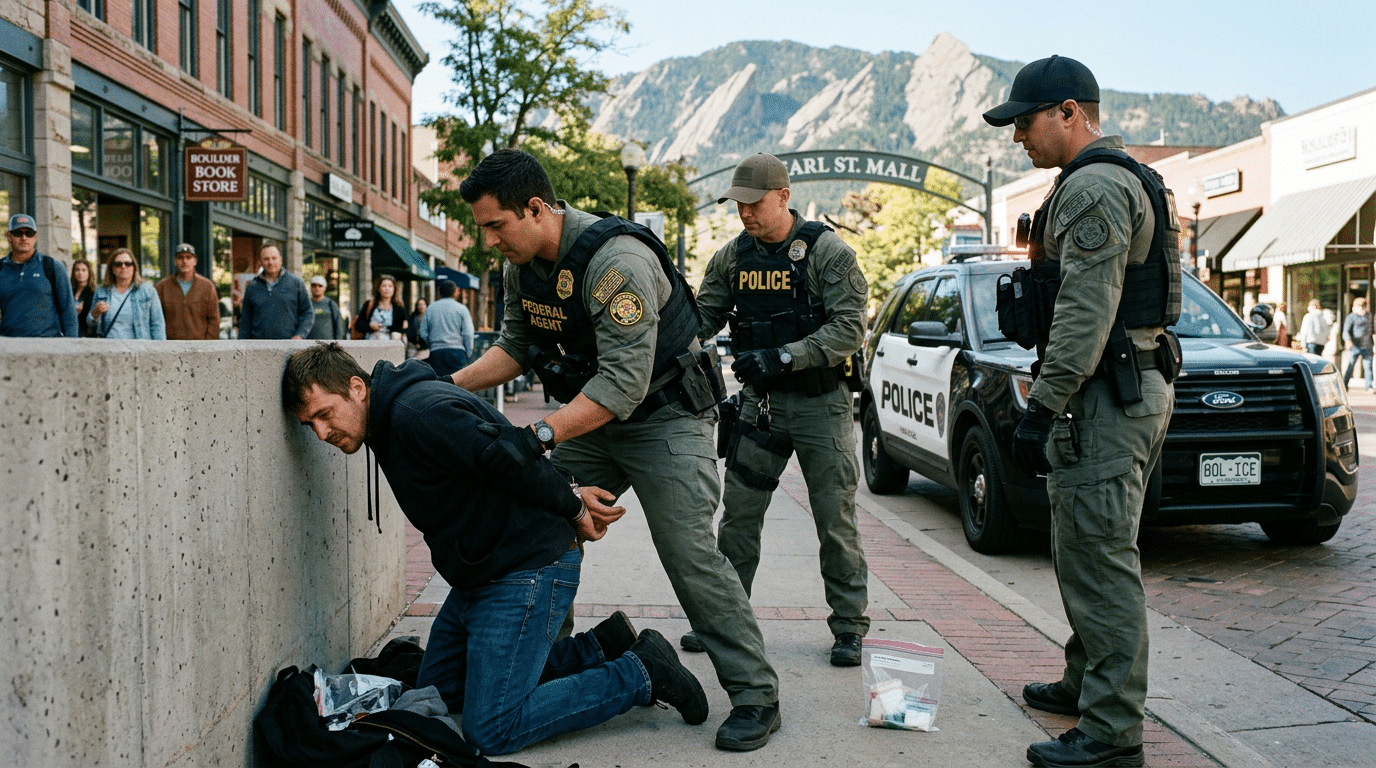
Facing a drug charge is stressful in any court, but federal drug cases often come with even higher risks. Many people think their case will stay in Colorado state court if the arrest happened in Boulder, but that is not always the case. Federal agencies can get involved if the government believes there was trafficking, a large amount of drugs, activity across state lines, firearms, organized distribution, fentanyl, methamphetamine, cocaine, heroin, or a larger conspiracy. We understand how overwhelming it can feel when you learn that federal sentencing rules, mandatory minimums, and long prison terms might apply. At Watkins Law Firm LLC, we help people facing serious drug charges understand the differences between Colorado state and federal prosecution so they can make informed choices early on.
Colorado Drug Charges Are Serious, But Federal Cases Often Carry Higher Exposure
Colorado drug crimes are mainly addressed in Title 18, Article 18 of the Colorado Revised Statutes. Unlawful distribution, manufacturing, dispensing, sale, or possession with intent to distribute is prohibited under C.R.S. § 18-18-405. Colorado also grades drug felonies under C.R.S. § 18-1.3-401.5. Depending on the offense level, a Colorado drug felony can carry prison, fines, mandatory parole, probation restrictions, treatment requirements, and long-term record consequences.
Federal drug charges work differently. Federal cases often focus on bigger distribution networks, trafficking, moving drugs across state lines, mail or package shipments, firearms, financial records, wiretaps, informants, and the amount of drugs involved. The federal system usually has stricter sentencing rules than state courts. In Colorado state court, there is often more flexibility to argue for probation, treatment, deferred judgment, or a sentence that fits the person and the situation. In federal court, mandatory minimum laws and sentencing guidelines can greatly limit your options.
Mandatory Minimum Sentences Make Federal Drug Cases More Severe
A major reason federal drug sentences are often harsher is because of mandatory minimum sentences. Under 21 U.S.C. § 841, the penalties for federal drug crimes depend on the type and amount of drug involved. For certain amounts of fentanyl, methamphetamine, cocaine, heroin, and other drugs, federal law requires minimum prison terms. Judges usually cannot go below these minimums unless a specific legal exception applies.
This is one of the biggest differences between federal and Colorado state drug cases. Sentencing in Colorado is still serious, but courts sometimes have more flexibility. In federal court, mandatory minimums can make the process much stricter. Someone could face years in prison even if there was no violence, no weapon, and no prior felony. That is why drug quantity, lab testing, your role in the case, and the charges are so important.
Drug Quantity Can Drive The Federal Sentence
Federal sentencing often puts a lot of focus on the amount of drugs involved. The government may try to count drugs found in a car, home, storage unit, package, phone transaction, or even those linked to a co-defendant or a larger conspiracy. Sometimes, prosecutors argue that a person is responsible not just for the drugs they handled, but also for amounts that could be expected as part of a group crime. Under C.R.S. § 18-18-405, aggregation may matter in certain repeated distribution or manufacturing allegations involving controlled substances within a stated period. Still, federal cases often use quantity in a way that can dramatically increase the advisory guideline range or trigger mandatory minimum penalties. A small difference in weight, purity, mixture, or substance classification can change the risk.
Federal Conspiracy Law Can Expand Responsibility
Federal drug cases often include conspiracy allegations. A conspiracy charge may claim that two or more people agreed to commit a drug offense. The government may use text messages, phone records, surveillance, informants, controlled buys, money transfers, social media, travel records, or statements from co-defendants to build the case.
The risk is that someone might be blamed for a bigger operation than they actually knew about or controlled. Even if you think you played a small part, you could still face pressure if prosecutors link you to a larger amount of drugs. In Colorado state court, prosecutors can also charge conspiracy, but federal conspiracy cases are usually broader and more thoroughly investigated before anyone is arrested.
Federal Investigations Often Involve More Resources
Federal drug investigations may involve agencies such as the DEA, FBI, Homeland Security Investigations, ATF, postal inspectors, or task forces working with local law enforcement. These cases may begin months before an arrest. Investigators may use confidential informants, recorded calls, GPS tracking, search warrants, wire communications, financial records, package interceptions, controlled purchases, and surveillance.
That does not mean the government is always right. Federal investigations can still have weaknesses. Informants may be unreliable. Search warrants may be challenged. Statements may be taken in violation of constitutional rights. Drug quantity estimates may be inflated. A person’s role may be exaggerated. We review these cases carefully because the government’s resources do not remove its burden of proof.
Federal Sentencing Guidelines Can Increase Prison Exposure
Even when a mandatory minimum does not control the sentence, the federal sentencing guidelines can create high advisory ranges. The guidelines may consider drug type, quantity, role in the offense, firearm allegations, obstruction claims, criminal history, and other factors. A person accused of organizing others, possessing a firearm, distributing near protected locations, or involving vulnerable people may face additional sentencing pressure.
Colorado’s drug felony sentencing law, C.R.S. § 18-1.3-401.5, sets the penalty ranges for state drug felonies. Federal sentencing is different. The guideline range often becomes the main focus during negotiations, plea talks, sentencing memos, and hearings. A good defense may work to lower the drug quantity, challenge extra penalties, dispute firearm claims, show a smaller role, and keep arguments open for sentencing.er Court
Whether the case is state or federal, a serious drug conviction can affect employment, housing, immigration status, professional licensing, education, gun rights, family stability, and reputation. A federal conviction can be especially damaging because employers and licensing bodies may view it as a high-level criminal matter. A long federal prison sentence can also disrupt every part of a person’s life, including parenting, finances, and future earning power.
Colorado drug convictions also carry serious consequences. A drug felony under Colorado law can lead to imprisonment, mandatory parole, fines, and a permanent record unless relief is later available. The difference is that federal cases often start with greater leverage for the prosecution because of mandatory minimums, sentencing guidelines, and broader investigative files.
Why Early Defense Matters In Serious Drug Cases
The early stage of a drug case can shape the outcome. We look at whether the case is likely to stay in Colorado state court or move into federal court. We review the arrest, search, seizure, statements, substance testing, alleged quantity, phone evidence, witness issues, and whether the government is stretching a possession case into a distribution or trafficking case.
We also consider the client’s goals and risks. Some cases require aggressive motion practice. Others require careful negotiation designed to reduce sentencing exposure. In federal cases, decisions must be made with a full understanding of mandatory minimums, guideline calculations, safety valve issues, cooperation pressure, and the long-term consequences of a plea. The sooner we are involved, the sooner we can work to protect the client’s rights and future.
FAQs About Federal And Colorado Drug Sentencing
Why Are Federal Drug Sentences Often Longer Than Colorado State Sentences?
Federal drug sentences are often longer because federal law uses mandatory minimum penalties, sentencing guidelines, and quantity-based punishment that can increase prison exposure quickly. Under 21 U.S.C. § 841, certain drug types and amounts can trigger minimum prison terms. Federal prosecutors also often bring cases involving trafficking, conspiracy, large quantities, firearms, or multi-person investigations. Colorado drug cases are still serious, especially under C.R.S. § 18-18-405 and C.R.S. § 18-1.3-401.5, but state courts may have more sentencing flexibility in some cases. The difference depends on the charge, facts, criminal history, quantity, and whether federal prosecutors accept the case.
Can A Colorado Drug Case Become A Federal Drug Case?
Yes. A drug case that starts with a local arrest in Colorado can become federal if federal authorities believe the facts support federal prosecution. This may happen when the case involves large drug quantities, interstate travel, mail shipments, firearms, fentanyl, methamphetamine, cocaine, heroin, organized distribution, wire communications, or a broader alleged conspiracy. Federal and state agencies often work together through task forces. A person may think they are facing only a Boulder or Denver-area case, then later learn that federal prosecutors are reviewing it. Early legal defense is important because the charging decision can dramatically affect the person’s risk.
Does Federal Court Always Mean Prison?
Not always, but federal drug cases often carry a much higher prison risk than many state cases. The U.S. Sentencing Commission has reported that most federal drug trafficking defendants receive prison sentences. If a mandatory minimum applies, the court may have a limited ability to impose a lower sentence unless the person qualifies for a legal exception. Even when no mandatory minimum applies, the sentencing guidelines may recommend prison based on drug quantity, criminal history, firearms, role allegations, or other factors. Every case must be evaluated carefully before assuming probation, treatment, or a short sentence is realistic.
What Makes A Drug Case More Likely To Be Prosecuted Federally?
Federal prosecution becomes more likely when the government claims the case involves trafficking rather than simple possession. Factors may include large quantities, interstate transportation, mail or package delivery, firearms, money laundering, organized activity, confidential informants, wiretaps, controlled buys, or multiple defendants. Federal agencies may also focus heavily on fentanyl, methamphetamine, cocaine, heroin, and cases involving overdose allegations. A local traffic stop or search warrant can become part of a larger investigation if investigators believe the person is connected to a broader distribution network.
Can Drug Quantity Be Challenged In A Federal Case?
Yes. Drug quantity is often one of the most important issues in a federal drug case. The defense may challenge whether the weight is accurate, whether the substance was properly tested, whether the amount should be attributed to the accused person, and whether alleged co-conspirator quantities were reasonably foreseeable. The government may try to use seized drugs, alleged transactions, statements, ledgers, text messages, or informant claims to increase the quantity. Because quantity can affect mandatory minimums and sentencing guidelines, challenging unsupported quantity allegations may significantly reduce sentencing exposure.
What Should I Do If I Think My Colorado Drug Case May Become Federal?
You should avoid speaking with police, federal agents, informants, or co-defendants about the facts of the case. You should also avoid deleting messages, changing phones, posting online, or trying to explain the situation to witnesses. Those actions can create more problems. The safest step is to speak with a defense lawyer as soon as possible. Serious drug cases require a quick review of search issues, statements, warrants, lab testing, quantity, federal exposure, and possible sentencing consequences. Waiting can make it harder to protect your rights.
Call Watkins Law Firm LLC For Help With A Serious Drug Charge
If you are facing a serious drug charge in Colorado and are worried about federal prosecution, prison time, trafficking allegations, or the long-term damage of a conviction, Watkins Law Firm LLC can help. We defend clients accused of drug possession, distribution, manufacturing, trafficking, felony drug crimes, and related offenses in Boulder and throughout the Denver area. Serious drug cases require immediate attention because the first decisions can affect the entire case.
Contact our Boulder federal drug crime lawyer by calling us 24/7 at 303-507-1324 for your free consultation. Our Boulder drug crime attorney represents clients in Boulder and throughout the Denver area from our office locations in Boulder, Colorado.
