
What To Do If The FBI Knocks On Your Door
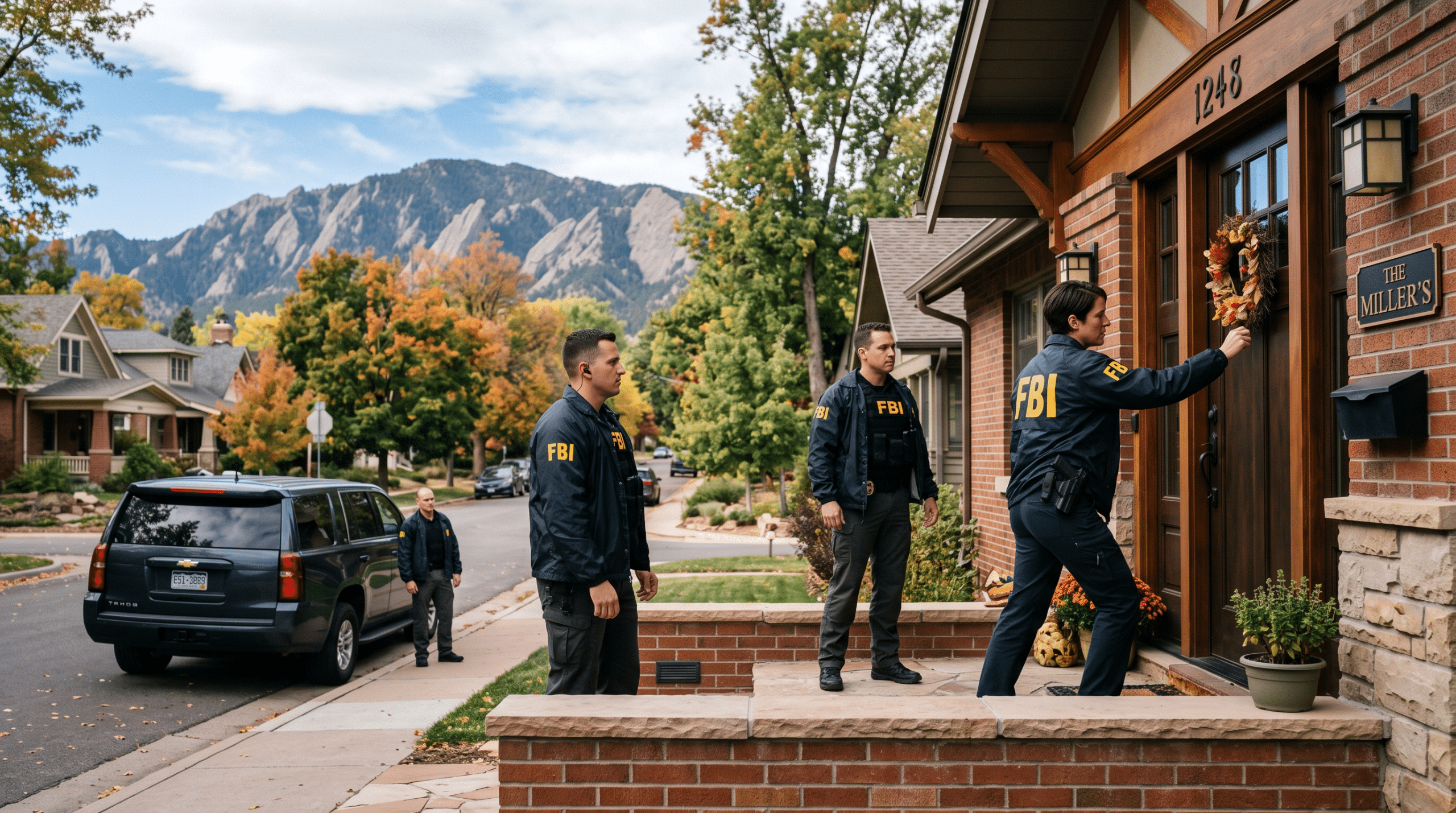
If FBI agents come to your door, it might seem calm at first, but it is a serious situation. Agents may say they just want to ask a few questions or hear your side of the story. We encourage everyone in Boulder and across Colorado to take this contact seriously right away. Federal investigations can involve drugs, firearms, fraud, sex crimes, computer crimes, violent crimes, interstate issues, or cases that began as state matters. What you say and do next can determine if you stay a witness, become a target, or face charges. At Watkins Law Firm LLC, we help people handle federal law enforcement contact without making things worse.
Stay Calm And Confirm Who Is At Your Door
Start by staying calm. There is no need to panic, argue, run, destroy anything, or make quick decisions just because agents are outside. Ask for their names, badge numbers, business cards, and which agency they represent. If they say they are with the FBI, you can ask them to slide their cards under the door, leave them outside, or give you information for your lawyer to contact them.
You should not lie about who you are. Federal law makes false statements to federal agents a separate crime in many situations. Under 18 U.S.C. § 1001, it is a federal offense to knowingly and willfully make materially false statements, conceal material facts, or use false writings in a matter within federal jurisdiction. That means a person may create a new federal problem even if the original investigation is weak. Silence is safer than guessing, explaining, or lying.
You Do Not Have To Answer Questions Without A Lawyer
Some people think they can talk their way out of trouble, but this is a risky mistake in a federal investigation. FBI agents are trained professionals. They may already have reports, phone records, text messages, bank records, surveillance, witness statements, informants, search warrant results, or grand jury information before they visit you. Even a casual conversation can become evidence.
You have the right to say no to an interview and ask for a lawyer. Be polite but firm. You can simply say you do not want to answer questions without your lawyer present. There is no need to be rude or explain your reasons. You do not have to fill any silence. If agents keep asking, repeat that you want an attorney. Do not give partial answers, guesses, timelines, names, passwords, explanations, or denials without legal advice.
Ask Whether They Have A Warrant
If agents want to come inside, ask if they have a warrant. A search warrant signed by a judge is not the same as simply asking for your permission. If agents have a valid search warrant for your home, phone, computer, vehicle, or records, they can search the places and items listed. If they do not have a warrant, they may ask for your consent to enter or search. You do not have to agree to a voluntary search.
If agents have a warrant, ask to see it and request a copy. Read what it covers if you can do so safely. Do not interfere with the search. Do not block agents, grab items, argue, or try to hide anything. If the warrant seems too broad, is based on weak facts, or is not carried out properly, a defense lawyer can review those issues later. The front door is not the place to argue about the warrant.
Do Not Destroy, Delete, Hide, Or Move Evidence
Once the FBI appears at your door, you should assume the situation is serious. Do not delete text messages, wipe phones, clear browser history, remove hard drives, hide firearms, throw away documents, move cash, warn other people to delete messages, or change online accounts. Conduct like that may create separate obstruction or evidence-tampering allegations.
Federal law can punish destruction, alteration, concealment, or falsification of records or tangible objects when done with intent to impede, obstruct, or influence a federal investigation. Under 18 U.S.C. § 1519, the penalty can be severe, including imprisonment of up to 20 years. Colorado law also criminalizes tampering with physical evidence under C.R.S. § 18-8-610 when a person believes an official proceeding is pending or about to be instituted and acts to impair the evidence’s availability.
Do Not Invite Agents Inside For A “Quick Talk”
Some people open the door and invite agents in because they want to appear cooperative. That can be a mistake. Once agents are inside, they may observe items in plain view, ask more questions, separate household members, request consent to search, or create pressure to keep talking. A conversation at the kitchen table may feel informal, but it can be used in a criminal case.
You can speak through the door or step outside and close the door behind you if you choose to speak briefly. Even then, we recommend limiting the contact to basic identification and asking for a lawyer. You can take the agents’ cards and tell them your attorney will contact them. That response is lawful, respectful, and protective. It does not make you look guilty. It makes you careful.
Understand That Federal And Colorado Charges Can Overlap
An FBI visit does not always mean a federal charge has already been filed. Agents may be investigating conduct that could become federal, state, or both. For example, drug activity in Colorado may be charged under state law, federal law, or both depending on the facts, quantity, alleged distribution network, firearms, interstate activity, or involvement of federal agencies. Colorado drug offenses may involve possession, distribution, manufacturing, or related allegations under Colorado’s controlled substance statutes. A federal case may involve harsher procedures, grand jury subpoenas, detention hearings, federal sentencing guidelines, and federal prosecutors.
The same conduct can also create Colorado obstruction or false reporting issues if a person gives false identifying information, interferes with an investigation, or tampers with evidence. Colorado’s false reporting statute, C.R.S. § 18-8-111.5, can apply when a person knowingly provides false identifying information to law enforcement, and it can become more serious if the false information substantially impedes a felony investigation or arrest.
Call A Criminal Defense Lawyer Immediately
After agents leave, write down what happened while your memory is fresh. Note the date, time, number of agents, names, agency, what they asked, what they showed you, whether they had a warrant, what they took, and who else was present. Do not post about the visit. Do not contact witnesses to compare stories. Do not tell friends or family detailed facts that may later become statements.
Then call a criminal defense lawyer. We can contact agents or prosecutors on your behalf, determine whether you are a witness, subject, or target, review any warrant or subpoena, protect your rights, and help decide whether any response should be given. Sometimes the best response is no interview. Sometimes a controlled attorney-led response may be appropriate. The decision should be based on the evidence, the risk, and the law.
FAQs About FBI Agents Coming To Your Door In Colorado
Do I Have To Talk To The FBI If They Knock On My Door?
No. You are not required to answer investigative questions simply because FBI agents come to your home. You should provide truthful basic identifying information if required, but you do not have to discuss facts, timelines, other people, phones, computers, drugs, money, firearms, travel, online activity, or alleged conduct without a lawyer. The safest response is usually to say that you do not want to answer questions without an attorney present. This protects you from guessing, misstating facts, or making statements that agents may later compare to other evidence.
Can I Get In Trouble For Lying To FBI Agents?
Yes. Lying to federal agents can create a separate federal criminal charge under 18 U.S.C. § 1001. A person may be charged for a materially false statement even if the interview happens at home and even if the person was not under arrest. This is why silence is often safer than trying to be helpful. Many people get into trouble because they panic, minimize facts, deny knowing someone, guess about dates, or try to protect another person. If you do not want to answer, say so. Do not invent facts.
What If The FBI Has A Search Warrant?
If agents have a search warrant, ask to see it and request a copy. Do not consent to anything beyond the warrant, but do not interfere with the search. You can say that you do not consent to the search while still allowing agents to comply with the warrant. That statement preserves your position without creating a confrontation. You should call a lawyer immediately. A defense attorney can later review whether the warrant was supported by probable cause, whether the search stayed within the warrant’s limits, and whether seized evidence can be challenged.
Can I Refuse To Let The FBI Into My Home?
If agents do not have a warrant, you generally do not have to invite them inside or consent to a search. They may ask in a calm, friendly way, but consent is still a choice. Once you invite agents inside, they may see things, ask more questions, or request additional consent. If they have a valid warrant, the situation is different, and they may have authority to enter and search the areas described in the warrant. You should not physically resist. Ask for a lawyer and let your attorney address the legal issues.
Should I Delete Messages Or Warn Other People After The FBI Leaves?
No. Do not delete messages, wipe devices, destroy documents, move evidence, or warn other people to change their stories. That conduct can create obstruction or evidence-tampering allegations under federal law and Colorado law. Under 18 U.S.C. § 1519, destroying or concealing records or tangible objects with intent to affect a federal investigation can carry very serious penalties. Under C.R.S. § 18-8-610, tampering with physical evidence can also be charged in Colorado. The better step is to preserve what exists and call a defense lawyer.
What Should I Do After The FBI Leaves My Home?
Write down what happened, save the agents’ cards, keep any warrant or subpoena paperwork, and contact a criminal defense attorney as soon as possible. Do not discuss the facts with friends, coworkers, witnesses, or online. Do not call the agents back yourself unless your attorney advises you to do so. A lawyer can communicate for you, ask what the investigation concerns, determine your status, and protect you from making avoidable mistakes. Early legal help may also prevent a witness interview from turning into a damaging statement.
Call Watkins Law Firm LLC If The FBI Contacted You In Colorado
If FBI agents came to your home, called you, left a card, served a warrant, or asked you to answer questions, Watkins Law Firm LLC can help. Federal investigations can move quickly, and the wrong statement can create serious damage. We help clients in Boulder and throughout the Denver area respond to federal and Colorado criminal investigations involving drugs, firearms, fraud, sex crimes, computer crimes, and related allegations.
Contact our Boulder federal defense lawyer by calling us 24/7 at 303-507-1324 for your free consultation. Our Boulder drug crime defense lawyer represents clients in Boulder and throughout the Denver area from our office locations in Boulder, Colorado.
