
What To Do If Federal Agents Contact You In Colorado
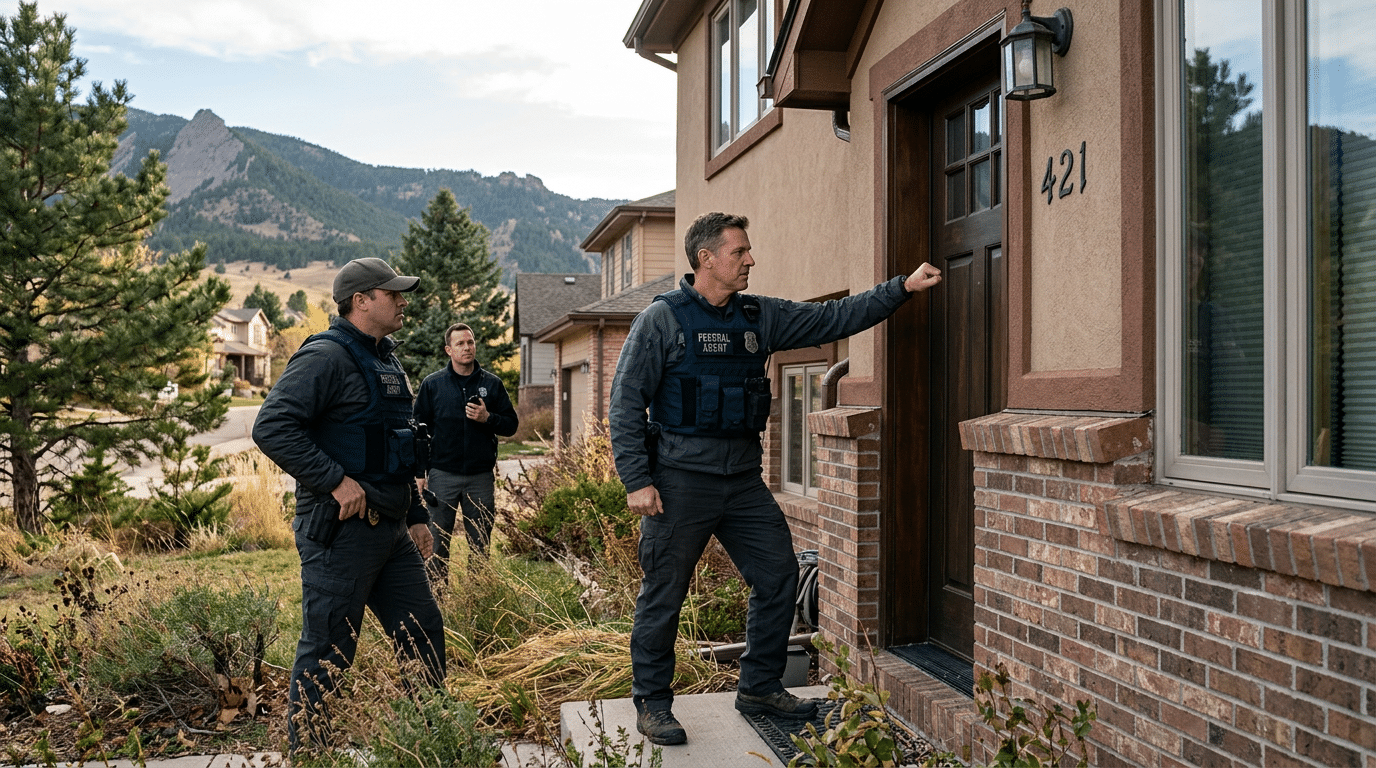
Getting a call, visit, or card from a federal agent can quickly become a serious legal issue. You might not know if you are a witness, a target, a subject, or just someone with information. It’s natural to want to explain yourself, help someone, or clear up confusion, but doing so can be risky. Federal investigations are usually in motion long before agents reach out. At Watkins Law Firm LLC, we help people in Boulder and the Denver area handle these situations with care.
Do Not Assume The Conversation Is Informal
Federal agents might be polite and say they just want to ask a few questions or that you are not under arrest. However, they may already have phone records, text messages, surveillance, bank records, search warrant results, or statements from others. Even if the conversation feels informal, the legal consequences can be serious.
If federal agents reach out to you, it’s usually safest not to answer questions about the facts until you talk to a criminal defense attorney. You can be polite without giving a statement. Ask for the agents’ names, agencies, phone numbers, and business cards. Let them know you want to speak with a lawyer before answering questions. This is not an admission of guilt, just a basic protection.
Why Talking Can Create New Criminal Exposure
A major risk in any federal investigation is making a statement that agents later say was false, incomplete, misleading, or doesn’t match other evidence. Under federal law, 18 U.S.C. § 1001 makes it a crime to knowingly and willfully make a materially false statement in a federal matter. This means you could face new criminal charges just from what you say in an interview, even if the original case is weak.
Many people believe they are safe if they just deny any wrongdoing, but that’s not always the case. Giving a wrong date, an incomplete answer, or trying to protect someone else can cause serious problems. Federal agents are trained interviewers and may already know the answers to some questions. If your answers don’t match their evidence, they can use that against you.
Federal Contact Can Involve State And Colorado Criminal Issues
Federal agents in Colorado investigate federal crimes, but the same actions can also lead to state criminal charges. Drug cases, firearm issues, fraud, internet crimes, financial crimes, and conspiracy can involve both federal and Colorado law. Someone might start as a witness and later become a target if evidence points to their involvement.
Colorado law can also cause trouble if someone interferes with an investigation, gives false information to police, or helps someone avoid arrest or prosecution. Depending on the situation, prosecutors may consider charges like obstructing government operations under C.R.S. § 18-8-102, false reporting under C.R.S. § 18-8-111, or being an accessory under C.R.S. § 18-8-105. The specific charge depends on what happened, what was said, and whether prosecutors think the person acted unlawfully.
You May Be A Witness, Subject, Or Target
Federal agents don’t always tell you your real status. A witness has information but isn’t believed to have committed a crime. A subject is someone whose actions are part of the investigation. A target is someone prosecutors think could face charges. These roles can change over time.
This is why it’s risky to guess your status. Someone might think they’re just helping as a witness, but their statements could put them at risk of prosecution. Agents might also contact you while building a case against someone else and want your cooperation. Before talking, it’s important to know which agency is involved, what the investigation is about, if there’s a subpoena or warrant, and if there’s a related state case.
If Agents Come To Your Home
If federal agents come to your home, ask if they have a warrant. If they don’t, you usually don’t have to let them in or answer questions. You can step outside, get their information, and say you want a lawyer before talking. Don’t interfere with agents, lie, or destroy, hide, or delete evidence.
If agents have a search warrant, things are different. Don’t resist. Ask to see the warrant and request a copy. You can watch if allowed, but don’t argue about the search at that time. Don’t answer questions about ownership, passwords, devices, documents, drugs, firearms, money, or other evidence without legal advice. You can challenge the warrant later, but not during the search.
If Agents Call You Or Leave A Card
If an agent calls or leaves a card, don’t ignore it, but don’t rush into a phone interview either. Even a short call can become evidence. Write down the agent’s name, agency, phone number, and what they say the matter is about. Then let the agent know that your attorney will respond.
We often see people call back on their own because they want to seem cooperative. It’s important to handle cooperation carefully. Sometimes, there’s a safe way to share information, but in other cases, any statement can increase your risk. This decision should be made after understanding the investigation.
Digital Evidence Can Be Central In Federal Cases
Federal investigations often include phones, computers, cloud accounts, location data, social media, encrypted apps, payment platforms, email records, and search histories. If agents ask for a password, permission to search, or access to a device, talk to an attorney before agreeing. Giving consent can take away legal protections you might have.
Don’t delete messages, wipe devices, close accounts, or ask others to delete anything. Doing so can lead to obstruction charges. Keep evidence as it is and avoid talking about the investigation by text, email, social media, or recorded calls. The safest thing to do is stop creating new evidence and get legal help right away.
Federal Drug Investigations In Colorado
Many federal contacts in Colorado are about drug investigations. These cases can involve possession with intent to distribute, conspiracy, trafficking, controlled deliveries, wiretaps, informants, search warrants, or activity across state lines. Even if state police start the case, federal agencies may get involved if prosecutors think it includes larger amounts, firearms, organized activity, or interstate movement.
Federal drug investigations can move faster than you might expect. Agents may already have surveillance, phone records, controlled buys, financial documents, or statements from witnesses. If federal agents contact you about drugs, money, firearms, travel, packages, or talking to someone under investigation, don’t try to explain things on your own.
How We Help After Federal Agents Make Contact
We focus on managing the situation before it escalates. We might contact the agents or prosecutor, find out what the investigation is about, determine if you are a witness, subject, or target, review any subpoena or warrant, and advise if you should make a statement. If agents searched your home, car, business, or devices, we check if the warrant was valid, if the search followed legal rules, and if the evidence can be challenged.
We also consider possible state charges. A federal investigation in Colorado can overlap with state criminal charges, probation issues, protection orders, firearm allegations, or drug cases. Acting early can help prevent mistakes, protect your rights, and let you make informed choices before the government builds its case.
FAQs About Federal Agents Contacting You In Colorado
Do I Have To Talk To Federal Agents If They Contact Me?
In most cases, you don’t have to answer questions from federal agents without a lawyer present. You don’t need to be rude, but you can clearly say you want to talk to an attorney before answering. This protects you. Many people hurt their case by trying to explain, deny, or downplay facts before they know what’s going on. Agents may already have records, witness statements, or digital evidence. Answering too quickly can cause problems, even if you meant no harm.
Can I Get In Trouble For Lying To Federal Agents?
Yes. Lying to federal agents can lead to serious criminal charges. Under 18 U.S.C. § 1001, making a materially false statement in a federal matter is a separate crime. This can happen even if you aren’t charged with the original crime being investigated. The safest rule is simple: don’t lie, don’t guess, and don’t answer investigative questions without legal advice. Staying silent and having a lawyer is safer than giving a bad explanation.
What If Federal Agents Say I Am Not Under Arrest?
You still need to be careful. If agents say you’re not under arrest, it doesn’t mean you’re in the clear. It just means they aren’t arresting you right now. You could still be a subject or target of the investigation. Agents might be trying to get admissions, identify others, confirm documents, or compare your story to their evidence. You can politely refuse to answer questions until you talk to a lawyer.
What Should I Do If Agents Have A Search Warrant?
If agents have a search warrant, do not resist or interfere. Ask to see the warrant and request a copy. Try to observe what they search for and what they take, but do not argue or answer questions about the evidence. Do not explain who owns a device, where something came from, or what a document means without legal advice. After the search, call a defense attorney immediately. The warrant, affidavit, search scope, and seizure of property may raise important legal issues.
Should I Give Agents My Phone Password?
You should not provide passwords, consent to searches, or unlock devices without first speaking with an attorney. Digital evidence can be central in federal cases. Phones may contain text messages, photos, location data, app records, financial information, browser history, and contacts. Consent can make it harder to challenge the search later. If agents have a warrant, the legal obligations may depend on the warrant, the device, and the court order. Get legal advice before making any decision.
Can Federal Agents Investigate Colorado Drug Crimes?
Yes. Federal agents may investigate drug activity in Colorado when the case appears to involve federal law, interstate activity, larger quantities, firearms, distribution networks, controlled deliveries, or conspiracy allegations. A person may be contacted as a witness, subject, or target. Federal drug cases can carry serious penalties and may rely on informants, phone records, surveillance, controlled buys, and search warrants. If agents contact you about drugs, packages, money, firearms, or another person’s case, speak with a lawyer before answering questions.
Call Watkins Law Firm LLC If Federal Agents Contact You In Colorado
If federal agents contacted you, came to your home, called your phone, left a card, served a subpoena, or executed a search warrant, Watkins Law Firm LLC can help. We defend clients in Boulder and throughout the Denver area in serious criminal matters, including federal investigations, drug-related allegations, search warrant cases, and related Colorado criminal charges. We understand how one conversation with law enforcement can affect your freedom, record, job, and family.
Contact our Boulder federal defense lawyer by calling us 24/7 at 303-507-1324 for your free consultation. Our Boulder criminal defense attorney represents clients in Boulder and throughout the Denver area from our office location in Boulder, Colorado.
