
What Happens When Police Accuse You of Possessing Illegal Images on Your Computer?
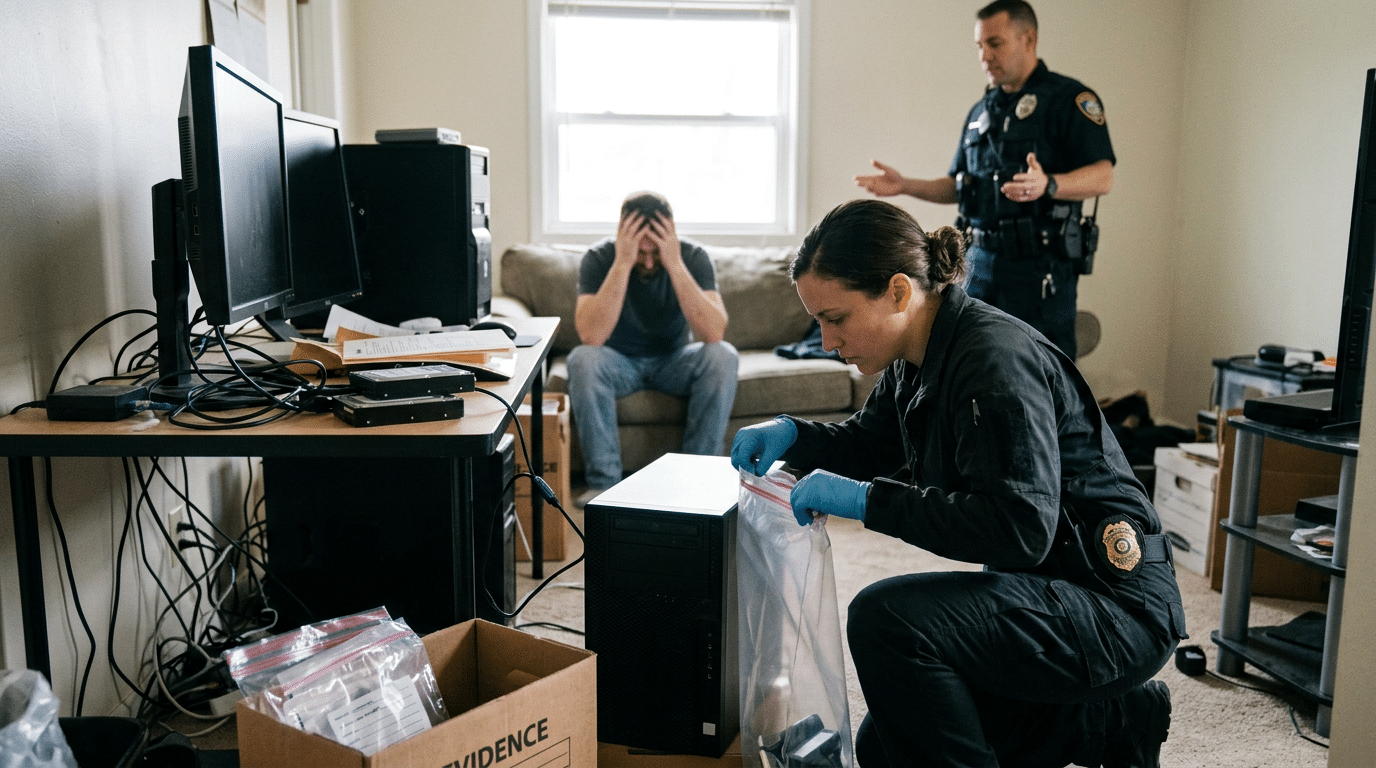
It can be overwhelming to find out that police suspect you of having illegal images on your computer, especially if they show up at your home or work with a search warrant. You might be accused of downloading, storing, or viewing sexually explicit images involving minors, even if you do not recognize the files investigators say they found. These accusations can lead to serious felony charges, long prison sentences, and mandatory sex offender registration. We know that digital evidence can be confusing, especially when computers have thousands of files, several user accounts, and information saved automatically by software.
In Colorado, prosecutors must prove certain elements before someone can be convicted of possessing illegal sexual images involving children. At Watkins Law Firm LLC, we help people in Boulder facing computer-related sex crime charges in Boulder and the Denver area by reviewing the digital evidence, how the investigation was handled, and any constitutional issues that could affect the case.
What Is Considered Illegal Sexual Material Under Colorado Law?
Colorado criminal law prohibits knowingly possessing certain sexually exploitative material involving children. Under Colorado Revised Statutes § 18-6-403, sexual exploitation of a child includes several forms of prohibited conduct involving sexually exploitative material depicting individuals younger than eighteen.
The statute addresses conduct such as creating, distributing, and knowingly possessing qualifying material. However, not every photograph or video depicting a minor is illegal. The material must satisfy the statutory definition of sexually exploitative material, which generally concerns specified sexual conduct or intimate depictions prohibited by law.
We look at whether the images meet the legal requirements and if prosecutors can show that our client knowingly had the material. This is especially important when investigators find questionable files mixed in with thousands of other legal documents, photos, and videos.
How Police Investigate Suspected Illegal Images On Computers
Investigations involving suspected child sexual exploitation material frequently begin with information obtained through online platforms, internet service providers, or reports submitted to the National Center for Missing & Exploited Children.
Investigators may use digital forensic tools to identify files allegedly associated with illegal material. They may also examine internet activity, file-sharing software, cloud storage accounts, and electronic communications when legally authorized to do so.
Under the Fourth Amendment to the United States Constitution and Article II, Section 7 of the Colorado Constitution, individuals have protections against unreasonable searches and seizures. Police generally need a valid warrant or a recognized legal exception before conducting a nonconsensual forensic search of a personal computer.
We check how investigators got the evidence, if the warrant was based on probable cause, and if the search stayed within legal limits. If evidence was collected through an illegal search, we consider whether to file a motion to suppress it.
What Happens When Police Seize Your Computer Or Phone?
When police execute a search warrant involving suspected illegal images, they may seize computers, external hard drives, smartphones, and other electronic devices covered by the warrant. Investigators may then create forensic copies of the data and examine files for evidence relevant to the suspected offense.
A forensic examination may identify deleted files, internet history, application records, timestamps, and other digital information. However, the existence of this information does not necessarily establish who created, downloaded, or accessed a particular file.
We review the warrant, forensic reports, how evidence was handled, and any information about who used the device. We also check if investigators preserved the evidence correctly and if the forensic findings are backed up by the data.
Penalties For Possessing Illegal Images In Colorado
Possessing sexually exploitative material involving children can result in serious criminal penalties. Under C.R.S. § 18-6-403, the classification of the offense depends on the specific conduct and statutory circumstances, including distinctions between possession, distribution, and other prohibited activities.
Qualifying knowing possession offenses may be charged as class 5 or class 4 felonies, depending on the applicable statutory provisions and circumstances. More serious conduct, including certain distribution or production offenses, may carry greater penalties.
Convictions can also result in sex offender registration under C.R.S. § 16-22-103, along with probation conditions, treatment requirements, restrictions on internet use, and other consequences authorized by law.
We examine the precise charges and applicable sentencing provisions before explaining the potential penalties. Federal charges may also be possible under 18 U.S.C. §§ 2252 and 2252A when the alleged conduct satisfies federal jurisdictional and statutory requirements.
How Our Criminal Defense Attorney Challenges Computer Evidence
Digital evidence requires careful examination because computers often contain information created by applications, automated processes, and multiple users. A forensic report identifying suspicious files does not necessarily resolve questions concerning knowledge, possession, or responsibility for the activity.
We evaluate file locations, access histories, user accounts, metadata, and the methods investigators used to recover and interpret electronic information. We also consider whether the prosecution can establish that the accused person knowingly possessed material meeting Colorado’s statutory definition.
When appropriate, we challenge search warrants, seek additional forensic records, and examine whether investigative conclusions are supported by reliable evidence. Our objective is to identify weaknesses in the prosecution’s case and protect our client’s constitutional rights throughout the criminal proceedings.
Frequently Asked Questions About Illegal Images on Computers in Colorado
Can I Be Charged If Someone Else Downloaded Illegal Images Onto My Computer?
Yes. Police may investigate or charge the owner of a computer containing illegal material, even when other individuals have access to the device. However, ownership alone does not necessarily establish that the owner knowingly accessed, viewed, possessed, or controlled the material.
Under C.R.S. § 18-6-403(3)(b.5), prosecutors must prove the required knowledge and prohibited conduct. We examine user accounts, login activity, file histories, and other digital evidence to determine whether investigators can reliably attribute the activity to our client. Shared computers, compromised accounts, and unauthorized access can raise important questions about responsibility.
Can Deleted Illegal Images Still Be Used As Evidence Against Me?
Yes. Deleting a file does not necessarily eliminate every trace of its existence. Digital forensic software may recover deleted files or identify records indicating that particular material was previously stored or accessed.
However, recovering a deleted file does not automatically establish who downloaded it, when it was accessed, or whether the accused knowingly possessed it. We examine the forensic findings and whether the recovered information supports the prosecution’s allegations. We also recommend that anyone under investigation preserve their devices and avoid deleting or altering potentially relevant evidence.
Can Police Search My Computer Without A Warrant?
Police generally need a valid search warrant or a recognized exception to the warrant requirement before conducting a nonconsensual forensic search of a personal computer. Exceptions may include voluntary consent and certain other circumstances recognized under constitutional law.
The Fourth Amendment and Article II, Section 7 of the Colorado Constitution protect individuals against unreasonable searches and seizures. We examine whether investigators obtained valid consent, whether a warrant was properly issued, and whether the search exceeded its authorized scope. Evidence obtained through an unlawful search may be subject to suppression.
What If Illegal Images Were Automatically Saved In My Browser Cache?
A browser cache can contain images and other information stored automatically while someone uses the internet. However, the presence of cached material does not necessarily establish how the material was accessed or whether the user knowingly viewed it.
Colorado’s Supreme Court addressed related issues in Marsh v. People, 2017 CO 10M, recognizing that knowingly seeking out and viewing prohibited material can constitute possession even when images are automatically cached. We examine the surrounding browsing activity, available forensic records, and other evidence to determine whether the prosecution can establish the required mental state.
Can I Face Multiple Charges For Different Images Found On One Computer?
Yes. Under C.R.S. § 18-6-403(5)(b), Colorado law permits a separate felony classification for each qualifying item of sexually exploitative material accessed with intent to view, viewed, possessed, or controlled.
This means a computer containing multiple qualifying files can expose someone to multiple criminal counts. The number and nature of the files can substantially affect the potential consequences.
We examine whether each charged item meets the statutory definition, whether the prosecution has properly identified separate offenses, and whether the evidence supports each count.
Will I Have To Register As A Sex Offender If Convicted?
A conviction for qualifying sexual exploitation offenses generally triggers Colorado’s sex offender registration requirements under C.R.S. § 16-22-103. Registration can affect employment opportunities, housing, personal relationships, and other aspects of daily life.
The duration of registration and eligibility to petition for removal depend on the particular conviction and applicable law. We explain these consequences when evaluating the charges and possible resolutions. We also examine whether the prosecution can prove the underlying offense and whether any legally available defenses or negotiated outcomes may affect the potential consequences.
Should I Give Police My Computer Password If They Ask For It?
We recommend consulting a criminal defense attorney before voluntarily providing passwords, unlocking devices, or consenting to a forensic examination. Whether investigators can legally compel access to an encrypted device can involve complicated constitutional questions.
The Fifth Amendment’s protection against compelled self-incrimination may be relevant, but its application depends on the particular circumstances and type of compelled disclosure. We evaluate any warrant, court order, or investigative request before advising our clients. We also recommend that individuals preserve their devices and comply with applicable legal obligations rather than attempting to conceal or destroy evidence.
Boulder Criminal Defense Attorneys for Computer-Related Sex Crime Allegations
At Watkins Law Firm LLC, we understand that allegations involving illegal sexual images can threaten your freedom, reputation, career, and personal relationships. These cases often involve complicated forensic evidence, extensive computer searches, and serious felony charges that require careful legal analysis.
We represent individuals accused of sexual exploitation of a child, unlawful possession of sexually exploitative material, and other computer-related criminal offenses in Boulder and throughout the Denver metropolitan area.
We examine the circumstances surrounding the investigation, review the prosecution’s digital evidence, identify potential constitutional violations, and assess whether prosecutors can establish the elements of the charged offense. When appropriate, we challenge the legality of searches, question forensic conclusions, and pursue dismissal or other favorable resolutions supported by the evidence and applicable law.
Our objective is to protect our clients’ constitutional rights and provide a carefully prepared defense against serious criminal allegations.
Call Watkins Law Firm LLC for a Free Consultation
If police have accused you of possessing illegal sexual images on your computer, or investigators have seized your electronic devices, we encourage you to obtain legal representation before answering questions or making statements about the allegations.
From our office in Boulder, Colorado, we defend clients facing serious criminal charges throughout Boulder and the Denver area. We can review the allegations, explain the potential penalties under Colorado law, and discuss available defense options. Contact our Boulder criminal defense attorney by calling us 24/7 at 303-507-1324 for your free consultation.
