
What Happens If You Lie To A Federal Agent?
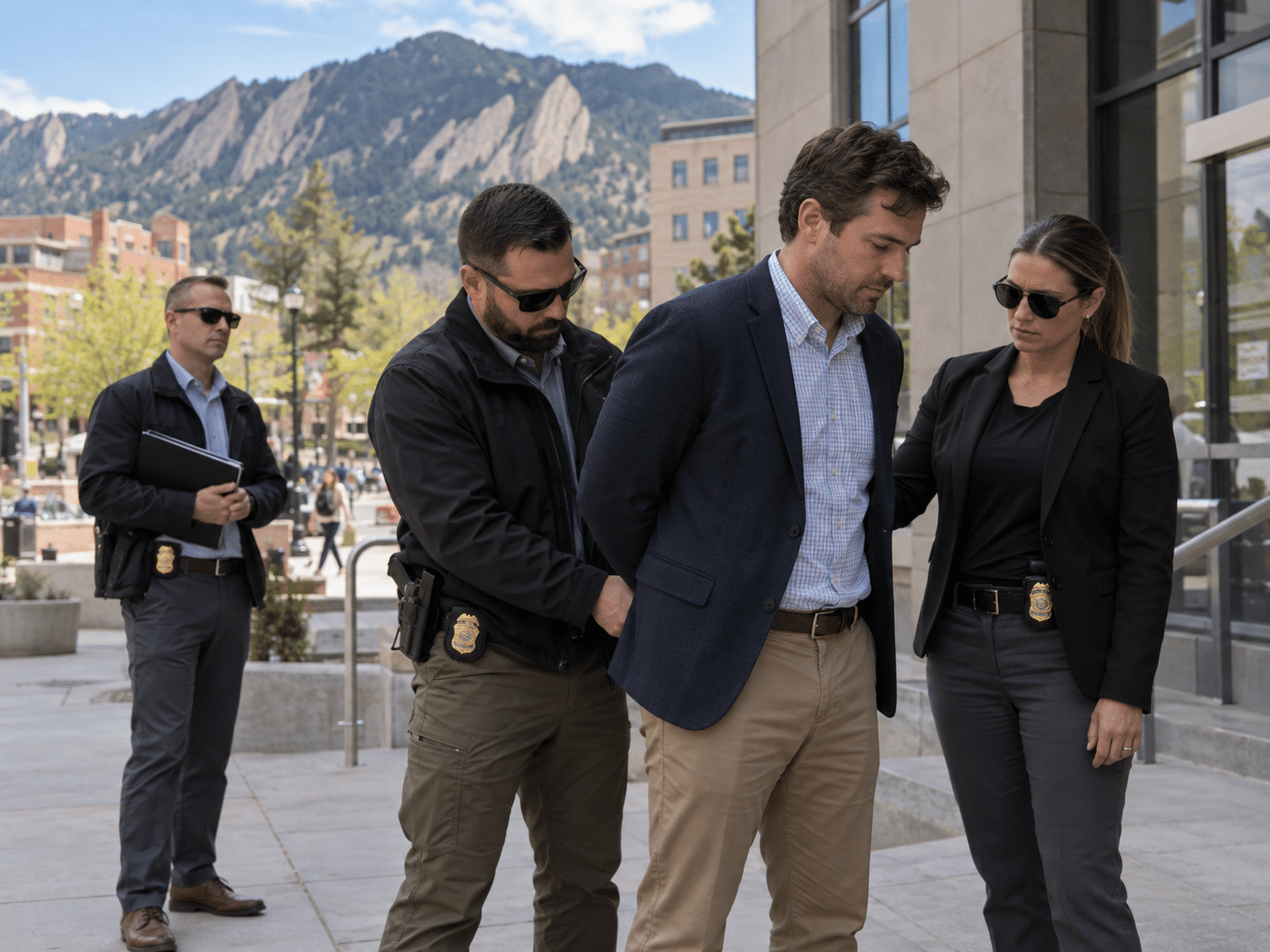
Talking to a federal agent can feel different from talking to a local police officer. The questions may seem calm, but the stakes can be serious. A person may think a small false statement will protect them, protect someone else, or make an uncomfortable interview end faster. That decision can create a new criminal charge even if the government never proves the original allegation.
We want people in Boulder and throughout Colorado to understand that a federal interview is not a casual conversation, and guessing, minimizing, denying, or changing details can cause lasting damage. If federal agents want to speak with you, it is usually safer to speak with a criminal defense attorney before answering questions.
Lying To A Federal Agent Is Usually A Federal Crime
The main federal false statement law is 18 U.S.C. § 1001. This statute applies when a person knowingly and willfully makes a materially false, fictitious, or fraudulent statement or representation in a matter within the jurisdiction of the federal government. It can also apply to concealing a material fact or using a false writing or document.
The statement does not have to be made in court. It does not have to be under oath. It does not have to be written. A verbal statement to an FBI agent, DEA agent, ATF agent, Homeland Security investigator, IRS agent, postal inspector, or other federal investigator can create exposure if the other legal elements are met. That is one reason people should be careful when agents say they “just want to talk.”
What Does “Material” Mean?
A false statement must usually be material under 18 U.S.C. § 1001. In simple terms, material means the statement has a natural tendency to influence, or is capable of influencing, a federal agency or investigation. The government does not always need to prove that the lie actually changed the final outcome. It may argue that the statement could have affected the investigation.
For example, a person may deny knowing someone, deny being at a location, give a false timeline, hide ownership of a phone, misstate where money came from, or falsely describe a drug transaction, firearm, business record, computer account, or travel history. Even if the person believes the false statement was small, prosecutors may argue that it mattered because it affected where agents looked next, who they interviewed, or how they understood the evidence.
Penalties For False Statements To Federal Agents
A conviction under 18 U.S.C. § 1001 can carry serious punishment. In many cases, the maximum penalty is up to five years in federal prison, fines, or both. Certain cases can carry higher maximum penalties, including specific terrorism-related matters and some sex-offense-related matters. Federal sentencing also depends on the United States Sentencing Guidelines, the facts of the case, criminal history, acceptance of responsibility, obstruction issues, and whether other charges are filed.
The practical consequences can also be severe. A federal false statement charge can affect employment, professional licensing, security clearances, immigration status, government contracts, banking relationships, and reputation. Even when the person was not originally the main target, a false statement can turn that person into a defendant.
You Can Be Charged Even If The Original Case Is Weak
One of the hardest parts of false statement cases is that the false statement can become the charge. Federal agents may be investigating drug trafficking, fraud, firearms, sex crimes, cybercrime, money laundering, public corruption, tax crimes, or another federal matter. If the person lies during the interview, the government may pursue the false statement even if it never files the original charge.
That is why the phrase “I have nothing to hide” can be dangerous. Innocent people sometimes make mistakes during stressful interviews. They may forget dates, guess at details, try to sound certain, or deny embarrassing facts that are not crimes. A misunderstanding can later be framed as a lie. We believe the best protection is to avoid unsupervised federal questioning when the subject matter could expose you to criminal risk.
Federal Perjury And Obstruction May Also Apply
Lying under oath can create different exposure. Federal perjury is addressed under 18 U.S.C. § 1621. That statute applies when a person, under oath or in a qualifying statement under penalty of perjury, willfully states or subscribes to a material matter they do not believe to be true. Perjury can carry up to five years in prison.
Obstruction laws may also apply in certain situations. Under 18 U.S.C. § 1519, knowingly falsifying, concealing, covering up, or making a false entry in a record, document, or tangible object with the intent to impede, obstruct, or influence a federal investigation or proper administration of a federal matter can carry up to 20 years in prison. These laws show why it is risky to alter records, delete messages, create false documents, or encourage someone else to tell a false story.
Colorado Law Can Also Be Involved
Although federal law usually covers lying to a federal agent, Colorado law may apply in related situations. C.R.S. § 18-8-111 addresses false reporting to authorities, including knowingly causing a report to law enforcement authorities when the person knows the information is false. C.R.S. § 18-8-111.5 addresses knowingly providing false identifying information to law enforcement authorities, including a false name, address, birth date, Social Security number, driver’s license number, or Colorado identification number.
Other Colorado offenses may also be considered depending on the facts. C.R.S. § 18-8-102 addresses obstructing government operations in certain situations. C.R.S. § 18-8-306 addresses attempt to influence a public servant by deceit or false information in certain official actions. These laws are not identical to 18 U.S.C. § 1001, but they show that false statements to government authorities can create criminal exposure at both the federal and state level.
Common Mistakes People Make During Federal Interviews
Many people do not realize they are in danger until after they have already spoken. They may invite agents inside, answer questions in the driveway, agree to a recorded call, or sit for an interview at work. They may think refusing to answer makes them look guilty. It does not. You have constitutional rights, including the right to remain silent and the right to seek legal counsel.
A common mistake is giving partial answers. Another is guessing. Another is denying contact, drug use, money transfers, internet activity, or knowledge of another person’s conduct because the truth feels embarrassing. Agents often have records before the interview begins. They may already have phone data, bank records, surveillance, witness statements, search warrant returns, or messages. If your answer conflicts with that evidence, the government may treat it as a false statement.
How We Defend Federal False Statement Allegations
A false statement charge is not automatic proof of guilt. The government must prove the legal elements. We may challenge whether the statement was actually false, whether it was material, whether it was knowingly and willfully made, whether the agent’s question was clear, whether the answer was ambiguous, whether the interview notes are accurate, and whether the statement was taken out of context.
We also review whether the interview was recorded. If it was not recorded, we examine the agent’s notes and report carefully. We compare those records against emails, text messages, documents, timelines, location data, and witness accounts. A person may be accused of lying when the real issue is confusion, memory error, unclear wording, translation problems, anxiety, or a misunderstanding about what the agent was asking.
FAQs About Lying To Federal Agents
Is It A Crime To Lie To The FBI, DEA, ATF, Or Homeland Security?
Yes. A false statement to a federal agent can be charged under 18 U.S.C. § 1001 if the statement was knowing, willful, false, material, and made in a matter within federal jurisdiction. The statement does not have to be under oath. It can be verbal. It can happen during an informal interview at your home, workplace, airport, or roadside. That is why people should be careful before answering federal questions, even when agents sound friendly or say they only need a few minutes.
Can I Be Charged If I Was Not Under Oath?
Yes. Perjury usually requires an oath or statement under penalty of perjury, but a federal false statement charge under 18 U.S.C. § 1001 does not always require that. A person can face prosecution based on a verbal statement during a federal investigation. Many people misunderstand this point. They think only sworn testimony counts. In federal cases, an unsworn statement to an agent may be enough if the government can prove the required elements.
What If I Made A Mistake Instead Of Lying?
A mistake is different from a knowing and willful false statement. The government must prove more than confusion, poor memory, nervousness, or an honest misunderstanding. In many cases, the defense focuses on intent. Did the person knowingly lie, or did they misunderstand the question? Was the answer unclear? Was the agent’s summary accurate? Were dates, names, or details difficult to remember? These facts matter. A federal interview can be stressful, and not every incorrect answer is a crime.
Should I Talk To Federal Agents If I Am Innocent?
You should speak with a defense attorney before deciding. Innocent people can still make statements that are incomplete, mistaken, or later used against them. Federal agents may already have information you have not seen. They may ask questions designed to test your answers against records, phone data, messages, or witness statements. Asking for a lawyer is not an admission of guilt. It is a way to protect yourself before a conversation creates new legal problems.
Can Lying To A Federal Agent Lead To Prison?
Yes. A conviction under 18 U.S.C. § 1001 can carry prison exposure, fines, supervised release, and long-term record consequences. The exact punishment depends on the statute, the facts, the person’s criminal history, sentencing guidelines, and whether other charges are filed. Some cases are resolved without prison, but no one should assume that a false statement allegation is minor. Federal prosecutors often treat lies to investigators seriously because they claim those statements interfere with government investigations.
What Should I Do If I Already Lied To A Federal Agent?
Do not try to fix the situation by calling the agent back on your own. A second conversation can create more exposure. Do not delete messages, change records, contact witnesses, or ask anyone else to change their story. Speak with a criminal defense lawyer immediately. We can review what happened, determine whether the statement was actually false or material, evaluate whether the interview was recorded, and help protect you before the situation gets worse.
Call Watkins Law Firm LLC For Help With A Federal Investigation In Colorado
If federal agents have contacted you, questioned you, served a subpoena, executed a search warrant, or accused you of making a false statement, Watkins Law Firm LLC can help. We defend clients in Boulder and throughout the Denver area in federal investigations, Colorado criminal cases, drug crimes, firearm cases, sex crime allegations, fraud investigations, and other serious matters. We understand how quickly a conversation with federal agents can become a criminal charge. Contact our Boulder federal defense lawyer by calling us 24/7 at 303-507-1324 for your free consultation.
