
What Happens If Someone Dies After Allegedly Receiving Fentanyl From You in Colorado?
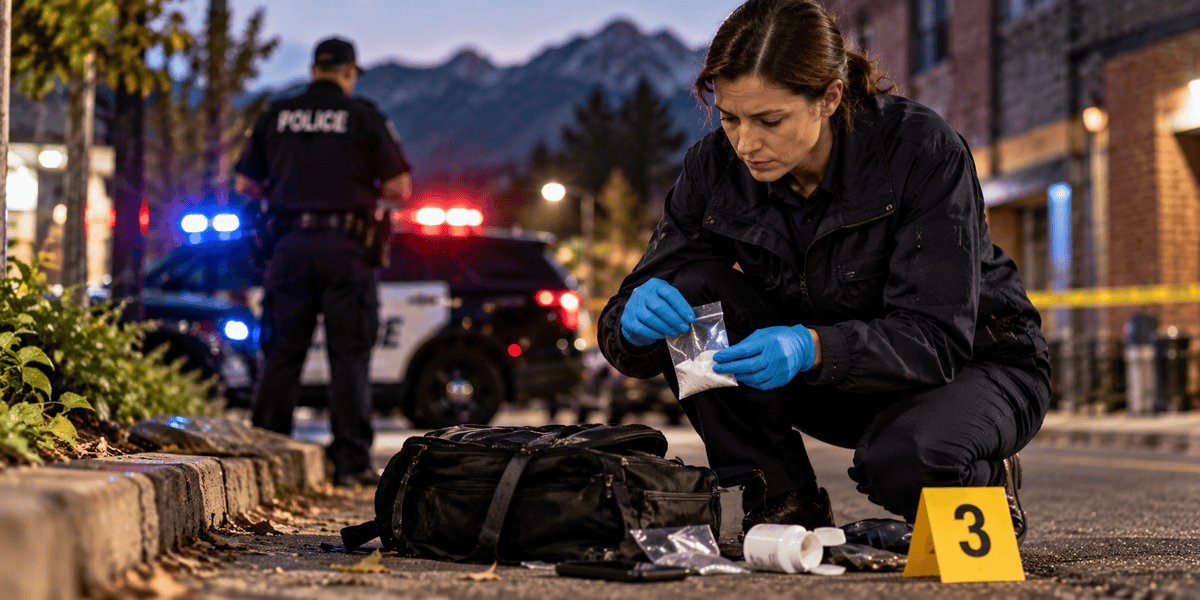
If someone dies from a fentanyl overdose in Colorado, investigators will look into where the drugs came from and whether someone else might be held responsible. If the police think you supplied fentanyl to a person who later died, you could face serious felony charges, even if you did not mean any harm. Still, an overdose death does not automatically mean the person who supplied the drugs committed homicide.
Prosecutors have to prove the specific crime and show evidence linking you to the drugs and the death. At Watkins Law Firm LLC, we defend people accused of serious drug offenses in Boulder and the Denver area. We know how quickly a fentanyl investigation can turn into a criminal case with the risk of a long prison sentence, and we work hard to protect our clients’ rights at every step.
Colorado Law Concerning Fentanyl Distribution and Overdose Deaths
Colorado addresses fentanyl distribution under C.R.S. § 18-18-405, which prohibits unauthorized manufacturing, dispensing, selling, distributing, and possessing controlled substances with intent to distribute.
Under Colorado law, fentanyl is generally treated as a Schedule II controlled substance. The classification and potential punishment depend on several factors, including the amount involved, the alleged conduct, and whether the prosecution can establish additional circumstances.
Colorado’s fentanyl legislation, particularly House Bill 22-1326, strengthened penalties for certain fentanyl offenses. One important provision concerns unlawful distribution that results in another person’s death.
Under C.R.S. § 18-18-405(2)(a)(III), certain unlawful distribution offenses involving fentanyl can constitute a level 1 drug felony when the statutory requirements concerning the resulting death are established.
We look closely at the specific charges instead of assuming every overdose death leads to the most serious felony. Prosecutors have to prove a clear link between the alleged distribution and the death, as well as the other parts of the crime.
Criminal Liability When Fentanyl Distribution Results in Death
A fatal overdose investigation can involve allegations that someone sold fentanyl, transferred it without payment, or supplied another controlled substance containing fentanyl.
The distinction between possession and distribution matters. Simply being present when another person uses drugs does not establish that you distributed those drugs. Likewise, a personal relationship with the deceased does not independently prove criminal responsibility.
When prosecutors pursue the death-related fentanyl distribution enhancement under C.R.S. § 18-18-405, they must establish the applicable statutory elements, including that the death resulted from the use of the substance involved in the unlawful distribution.
We check if investigators have shown a clear link between the alleged drug deal, what was used, and the medical cause of death.
Potential Prison Sentences for Fatal Fentanyl Distribution
A level 1 drug felony is among Colorado’s most serious drug offense classifications.
Under C.R.S. § 18-1.3-401.5, the ordinary sentencing range for a level 1 drug felony is generally eight to 32 years in prison, with a mandatory parole period of three years. Additional sentencing provisions, including applicable mandatory minimum requirements, can affect the sentence.
Because the penalties are so severe, it is very important to know exactly what charge you are facing. If you are accused of distributing fentanyl in a case where someone died, do not assume the sentence is already set.
We evaluate whether the prosecution can establish the allegations necessary to support the charged felony level and whether any sentencing provisions have been applied correctly.
Homicide Charges Following a Fatal Fentanyl Overdose
A fatal overdose does not automatically constitute murder or manslaughter under Colorado law.
Depending on the evidence, prosecutors may consider separate homicide charges. For example, C.R.S. § 18-3-104 addresses manslaughter, including conduct that recklessly causes another person’s death.
Criminally negligent homicide is addressed under C.R.S. § 18-3-105. This offense involves causing death through criminal negligence, which requires proof of a substantial and unjustifiable risk that the defendant failed to perceive under the applicable legal standard.
We examine whether the facts support the mental state and causation requirements of any proposed homicide charge. The fact that a death occurred after an alleged drug transaction does not, by itself, establish recklessness, criminal negligence, or another required mental state.
Evidence Used in Colorado Fentanyl Death Investigations
Police frequently investigate fatal overdoses by reviewing communications, financial transactions, witness statements, and physical evidence.
Text messages discussing drug purchases may become important evidence. Investigators may also examine phone records, payment applications, surveillance recordings, and information obtained from people who knew the deceased.
Toxicology reports and autopsy findings can be especially significant when prosecutors claim that a particular substance caused the death.
We scrutinize whether investigators properly collected and preserved the evidence. We also examine whether the medical findings establish the necessary causal connection, particularly when multiple substances were detected, or the deceased obtained drugs from several sources.
Constitutional Protections During a Fentanyl Investigation
The Fourth Amendment to the United States Constitution and Article II, Section 7 of the Colorado Constitution protect individuals against unreasonable searches and seizures.
Police generally need a legally recognized justification to search a home, seize electronic devices, or examine protected digital information. Depending on the circumstances, investigators may need a warrant supported by probable cause.
The Fifth Amendment also protects against compelled self-incrimination. When custodial interrogation occurs, Miranda protections may apply.
We review how investigators obtained statements, searched devices, and collected evidence. If constitutional violations occurred, we may seek suppression of improperly obtained evidence.
Good Samaritan Protections and Emergency Assistance
Colorado encourages individuals to obtain emergency medical assistance during suspected drug overdoses.
Under C.R.S. § 18-1-711, qualifying individuals who report an emergency drug or alcohol overdose and satisfy statutory conditions may receive limited immunity from certain criminal offenses.
However, these protections are not blanket immunity from every drug-related offense. In particular, they should not be assumed to prevent prosecution for serious distribution offenses connected to a death.
We evaluate whether a client’s actions qualify for statutory protections and whether those protections apply to the specific charges under investigation.
Building a Defense Against Fatal Fentanyl Distribution Allegations
Every fentanyl death investigation presents different factual and legal questions. Some cases involve disputed identification, while others concern the source of the drugs, the nature of an alleged transfer, or the medical evidence.
We may challenge whether prosecutors can establish that our client distributed the substance in question. We also examine toxicology findings, witness credibility, electronic communications, and the prosecution’s theory of causation.
When investigators rely heavily on statements from other individuals, we consider whether those witnesses have personal motives, inconsistent accounts, or agreements with law enforcement.
Our objective is to evaluate the evidence independently, identify weaknesses in the prosecution’s allegations, and pursue the defense strategy supported by the facts and Colorado law.
Frequently Asked Questions About Fatal Fentanyl Overdose Charges in Colorado
Can Prosecutors Prove That Our Drugs Caused Someone’s Death?
Prosecutors must establish the legally required causal connection between the alleged conduct and the death. Under C.R.S. § 18-18-405(2)(a)(III), the death-related felony provision requires proof of proximate causation, along with the other statutory elements.
This can become complicated when toxicology testing identifies multiple substances or investigators discover that the deceased obtained drugs from several people.
We examine autopsy findings, toxicology results, the timing of drug consumption, and the available evidence concerning other possible sources. We may also challenge whether the prosecution’s medical and factual evidence supports its causation theory beyond a reasonable doubt.
Can We Face Both Drug Distribution and Manslaughter Charges?
Yes. Depending on the circumstances, prosecutors may pursue drug distribution charges and separate homicide allegations arising from the same death.
Colorado manslaughter law, C.R.S. § 18-3-104, generally requires proof that the defendant recklessly caused another person’s death. The prosecution must establish the necessary mental state and causation, rather than relying solely on the fact that fentanyl was involved.
We examine each charged offense independently. We also evaluate whether overlapping charges create issues concerning double jeopardy, merger, or sentencing. The outcome depends on the statutory elements, the evidence, and the specific charges filed.
What Should We Do If Police Contact Us About a Fatal Fentanyl Overdose?
We recommend obtaining legal representation before answering investigative questions about an alleged drug transaction. Police may initially describe the contact as an effort to understand the circumstances surrounding someone’s death, even when investigators are considering criminal charges.
You generally have the right to decline voluntary questioning and should not consent to a search without first understanding your rights. You should also avoid deleting messages, altering records, or contacting witnesses to coordinate accounts because those actions can create additional legal problems.
We can communicate with investigators, assess the allegations, and advise you concerning interviews, search warrants, and potential criminal proceedings.
Call Watkins Law Firm LLC for a Free Consultation With a Boulder Criminal Defense Lawyer
At Watkins Law Firm LLC, we represent individuals facing serious criminal allegations involving fentanyl distribution, overdose deaths, and other controlled substance offenses throughout Boulder and the Denver metropolitan area.
We understand that an allegation involving another person’s death can threaten your freedom, employment, reputation, and future. We carefully review the evidence, challenge unsupported allegations, and work to protect your constitutional rights at every stage of the criminal process.
Whether investigators have contacted you about an overdose or prosecutors have already filed felony charges, we can evaluate your situation and explain your available legal options.
If you are under investigation or have been charged after someone allegedly died from fentanyl you supplied, contact Watkins Law Firm LLC as soon as possible.
From our office in Boulder, Colorado, we defend clients throughout Boulder and the greater Denver area against serious drug charges and related criminal allegations.
Contact our Boulder fentanyl death drug crime lawyer by calling us 24/7 at 303-507-1324 for your free consultation. We will discuss your circumstances, explain the potential consequences under Colorado law, and help you understand your next steps.
