
What Happens If A CU Boulder Student Under 21 Is Caught With Alcohol?
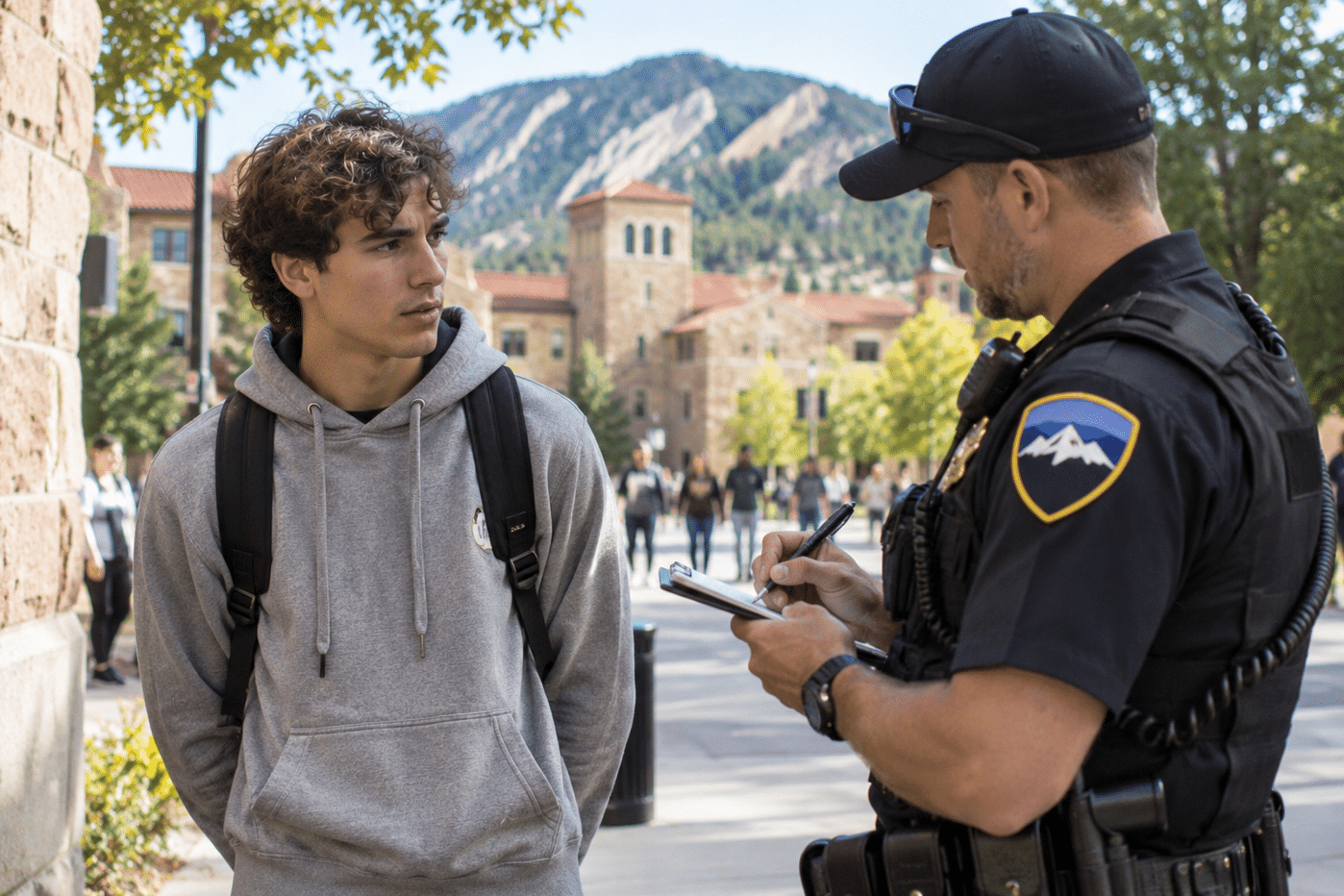
College students in Boulder sometimes find themselves facing criminal allegations after a party, dorm gathering, football game, or night out with friends. For students under 21, getting caught with alcohol can lead to more than an embarrassing conversation with police. Colorado law prohibits underage alcohol possession and consumption in most circumstances, and a violation can result in fines, mandatory education programs, and a record of the offense.
Students attending the University of Colorado Boulder may also face disciplinary proceedings through the university, even when the incident happens off campus. We understand that students and parents may be especially concerned about academic standing, scholarships, internships, graduate school applications, and future employment. At Watkins Law Firm LLC, we defend students accused of alcohol-related offenses and other criminal charges in Boulder and throughout the Denver area.
Colorado Law Prohibits Underage Alcohol Possession And Consumption
Under C.R.S. § 18-13-122, a person under 21 generally commits an offense by possessing or consuming alcohol in Colorado unless a statutory exception or defense applies. The law applies to alcohol found in a student’s backpack, vehicle, dorm room, or in immediate possession. It can also apply when police have evidence that the student consumed alcohol, even if officers never found an alcoholic beverage.
Colorado classifies illegal possession or consumption of alcohol by an underage person as an unclassified petty offense. Although this is less serious than a misdemeanor or felony, students should not assume that a citation has no consequences. The statute creates a strict-liability offense, meaning prosecutors generally do not need to prove the student intended to break the law.
Penalties For A First Underage Drinking Offense In Colorado
Under C.R.S. § 18-13-122(4), a first conviction can result in a fine of up to $100, completion of an approved substance abuse education program, or both. A $25 surcharge may also apply unless waived because of indigency. The statute encourages diversion and deferred judgment agreements when appropriate, which may offer opportunities to resolve cases while limiting lasting consequences.
A second conviction carries a fine of up to $100, mandatory substance abuse education, potentially an assessment and recommended treatment, and up to 24 hours of public service. A third or subsequent conviction can result in a fine of up to $250, mandatory assessment and recommended treatment, and up to 36 hours of public service. We review prior violations carefully because repeated offenses can lead to more demanding court requirements.
CU Boulder Students May Also Face University Discipline
A criminal citation and a university disciplinary proceeding are separate matters. CU Boulder prohibits underage drinking under its Student Code of Conduct, and students may be referred to Student Conduct & Conflict Resolution after an alcohol-related incident. Reports may come from CU Boulder police, Boulder police, residential staff, or other sources.
Depending on the circumstances and disciplinary history, the university may impose educational requirements, warnings, probation, or more serious sanctions. Particularly serious or repeated violations can create suspension or housing concerns. University officials may also notify parents or guardians when a student under 21 is found responsible for an alcohol policy violation.
We encourage students to treat university notices seriously. A student should review the allegations, deadlines, and procedures before responding, particularly when criminal charges remain pending. Statements made during a disciplinary proceeding may create concerns in the criminal case.
Exceptions And Defenses Under Colorado Law
Colorado law recognizes limited circumstances in which underage alcohol possession or consumption may be legally permitted. Under C.R.S. § 18-13-122(5), a parent or legal guardian may consent to possession or consumption while present with the underage person on qualifying private property, provided the other statutory conditions are satisfied. The statute also recognizes certain religious, medicinal, and educational circumstances.
These exceptions do not create general permission for students to drink at fraternity parties, dorm gatherings, restaurants, or bars.
We also examine whether police can establish possession or consumption. A student standing near alcohol, attending a party where others are drinking, or riding in a vehicle containing alcohol is not automatically guilty. The prosecution still must establish the required facts, including the student’s connection to the alcohol.
Medical Emergencies And Colorado’s Underage Drinking Immunity
Students should never avoid seeking emergency medical assistance because they fear an alcohol citation. Under C.R.S. § 18-13-122(7), qualifying underage students may receive immunity from arrest and prosecution under that statute when they report another underage person’s alcohol-related medical emergency.
The law includes specific requirements, such as making a good-faith 911 report, providing the caller’s name, being the first to report the emergency, remaining at the scene, and cooperating with responders. CU Boulder also maintains an amnesty policy intended to encourage students to obtain assistance during alcohol or drug emergencies.
These protections have limits, and they do not automatically eliminate unrelated criminal charges. Nevertheless, immediate medical care should always take priority when someone may be experiencing alcohol poisoning.
Protecting A Student’s Criminal Record And Future
One concern for students is whether an underage alcohol violation will appear on a background check. Under C.R.S. § 18-13-122(13), courts must order sealing after completion of court-ordered substance abuse education for a first conviction under the statute. Other outcomes may involve different sealing procedures under C.R.S. § 24-72-704.
Record sealing can reduce the public visibility of an eligible case, but it does not necessarily erase university disciplinary records or prevent every authorized agency from accessing information.
At Watkins Law Firm LLC, we examine the citation, police evidence, applicable defenses, and potential resolution options. We also consider how the criminal case may affect university proceedings, professional licensing, internships, and future educational opportunities. Our goal is to help students address the immediate allegations while protecting the opportunities they have worked to earn.
Frequently Asked Questions About Underage Drinking Charges At CU Boulder
Is Underage Drinking A Criminal Offense In Colorado?
Yes. Under C.R.S. § 18-13-122, illegal alcohol possession or consumption by someone under 21 is an unclassified petty offense. It is not ordinarily classified as a misdemeanor or felony, but a conviction can still result in fines, substance abuse education, and a record of the violation. Students may also face separate university disciplinary proceedings. We encourage students not to ignore citations simply because the offense is relatively minor. Missing a court date, failing to complete required education, or disregarding university instructions can create additional complications.
Can A CU Boulder Student Get In Trouble For Alcohol At An Off-Campus Party?
Yes. Colorado’s underage alcohol law generally applies regardless of whether the student is on campus or at a private party. CU Boulder may also review conduct that occurs away from university property when the incident falls within its disciplinary policies. A student attending a party where alcohol is available is not necessarily guilty of possession, however. We examine whether police actually found alcohol in the student’s possession, observed consumption, or collected other evidence supporting the allegation. Mere attendance at a party should not automatically establish a violation.
Will CU Boulder Notify My Parents About An Underage Drinking Violation?
CU Boulder may notify parents or guardians when a student under 21 is found responsible for an alcohol or drug policy violation. Federal privacy law generally protects student education records, but an exception permits certain parental notifications involving underage alcohol or drug violations. The university’s disciplinary process and its parent-notification policies should be reviewed carefully. We understand that students may worry about family relationships, financial support, or the consequences of a university finding. Addressing the allegations responsibly can help limit additional problems.
Can An Underage Drinking Charge Affect Graduate School Or Employment?
An underage alcohol citation may raise concerns when students apply for internships, professional licensing, government employment, or graduate programs. The actual effect depends on the application questions, the case outcome, whether the record has been sealed, and any separate university disciplinary findings. A petty offense does not automatically disqualify someone from future opportunities. Nevertheless, inaccurate answers on applications can create problems of their own. We examine whether dismissal, diversion, deferred judgment, or record sealing may help protect the student’s future.
Can Police Charge Me If The Alcohol Belonged To Someone Else?
Not automatically. Colorado law defines possession broadly, including alcohol that someone has, holds, owns, or keeps within their immediate presence and control. However, being near an alcoholic beverage does not necessarily establish that every person nearby possessed it. We review where police found the alcohol, who controlled the container, what officers observed, and whether the student made statements about ownership or consumption. In dorm rooms, shared apartments, vehicles, and crowded parties, these details can be especially important when several people had access to the same area.
Can I Avoid An Underage Drinking Citation If I Call 911 For A Friend?
Colorado provides limited immunity under C.R.S. § 18-13-122(7) when qualifying students seek emergency medical assistance for another underage person. The caller must satisfy specific statutory requirements, including making a good-faith report, identifying themselves, remaining at the scene, and cooperating with emergency personnel. The protection can also extend to the person requiring medical assistance. CU Boulder maintains a separate university amnesty policy for qualifying emergencies. We encourage students to call 911 immediately when someone is unconscious, having difficulty breathing, or showing signs of alcohol poisoning. Medical assistance should never be delayed because of fear of criminal consequences.
Boulder Criminal Defense Lawyer For CU Boulder Students Facing Alcohol-Related Charges
An underage drinking citation may appear minor, but the consequences can become complicated when university discipline, additional criminal allegations, or future background checks are involved. At Watkins Law Firm LLC, we represent CU Boulder students and other individuals facing underage alcohol violations, DUI and DWAI charges, assault, criminal mischief, disorderly conduct, fake ID allegations, and related Colorado criminal offenses. We examine the evidence, explain the available legal options, and work to protect our clients’ rights and future opportunities.
Contact our Boulder underage drinking attorney by calling us 24/7 at (303) 507-1324 for your free consultation. Our Boulder criminal defense lawyers represent students, parents, and other clients in Boulder and throughout the Denver area from our office in Boulder, Colorado. We understand how important a college education and professional future can be, and we work to prevent one criminal accusation from causing unnecessary long-term damage.
