
Science Shows Innocent People Can Confess To Crimes They Did Not Commit
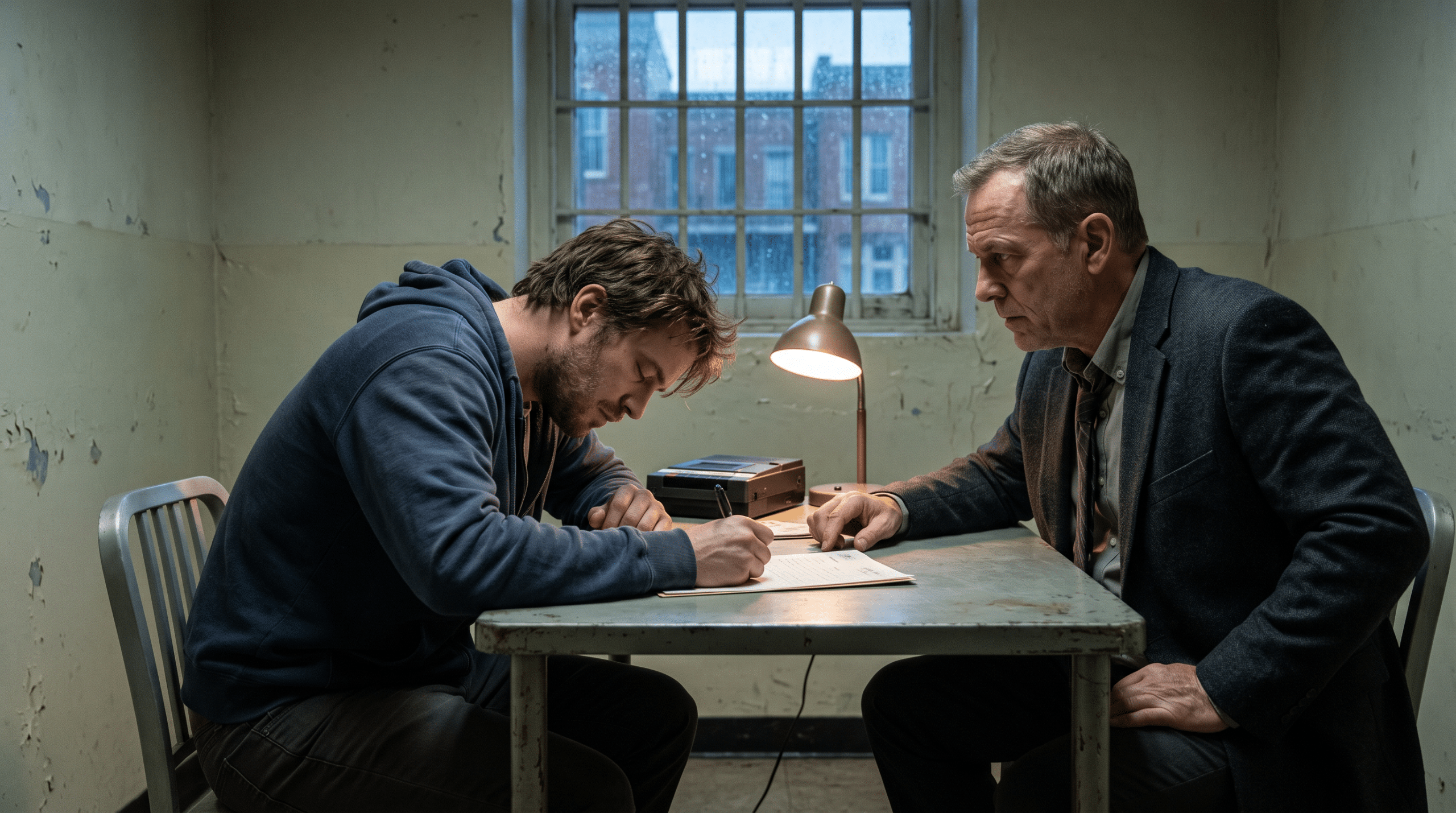
Many people think they would never admit to a crime they did not commit. While that belief makes sense, it does not always match reality. Police questioning can be stressful, confusing, and scary, especially if someone is tired, alone, young, impaired, afraid of jail, worried about family, or told the evidence is stronger than it really is. Sometimes, people say things just to end the questioning, explain suspicion, protect someone else, or avoid what feels like a threat. In Colorado criminal cases, a statement to police can become one of the strongest pieces of evidence for the prosecution, even if it is incomplete, misunderstood, pressured, or false.
False Confessions Are A Known Risk In Criminal Cases
False confessions are a real problem. Studies, wrongful conviction cases, and DNA exonerations show that innocent people sometimes admit to crimes they did not commit. There are many reasons for this. Some people get worn down by long questioning. Others think they can explain things later. Some believe the truth will protect them. Others are vulnerable because of their age, trauma, mental health, intellectual challenges, intoxication, withdrawal, fear, or confusion.
In Boulder criminal cases, this can happen during questioning about drug crimes, sex crimes, domestic violence, assault, theft, federal investigations, or serious felonies. Someone might think talking will help them. Police may say they just want to hear “their side.” Once a person starts answering questions, even small differences in their story can be seen as lies. A partial admission might be treated as a full confession. A statement made under pressure can become the main focus of the case.
Colorado Law Requires Certain Protections During Custodial Questioning
Colorado law recognizes the serious impact of police questioning. C.R.S. § 16-3-601 addresses the electronic recording of custodial interrogations. The statute defines custodial interrogation and addresses recording requirements for questioning that occurs in certain settings. A recording can matter because it allows a court, jury, and defense attorney to review tone, timing, pressure, promises, threats, confusion, interruptions, and whether the officer’s report matches what actually happened.
Colorado also has statutory protections tied to Miranda advisements. C.R.S. § 16-3-401 reflects Colorado’s advisement requirements for custodial interrogation. Before a custodial statement is used against a defendant, the person must be properly advised of rights, including the right to remain silent and the right to counsel. If police question a person in custody without proper warnings, or if a waiver was not knowing, voluntary, and intelligent, the defense may challenge the statement.
Voluntariness Matters In Colorado Criminal Defense
A statement must be voluntary to be used fairly in court. Even if police give Miranda warnings, that is not the end of the review. Courts look at all the circumstances around the statement. This can include how long the questioning lasted, the person’s age, education, mental state, intoxication, lack of sleep, the way questions were asked, any threats or promises, deception, access to food or medicine, and whether the person asked for a lawyer or tried to stop the interview.
In Colorado, a defense attorney can file a motion to suppress a statement if there are legal reasons to argue it was obtained in violation of your rights. This motion asks the judge to keep the statement out of evidence. If the judge excludes the statement, the prosecution may lose a key part of its case. Even if the statement is not suppressed, the defense can still challenge how accurate, reliable, or meaningful it is at trial.
Police Reports May Not Capture The Full Interrogation
A police report usually does not tell the whole story of an interrogation. Reports often sum up hours of questioning in just a few paragraphs. They may highlight the most damaging statements and leave out the officer’s questions, any pressure used, promises made, denials by the suspect, or confusion during the interview. This is why having recordings is so important.
Under C.R.S. § 16-3-601, not recording an interrogation does not always mean the statement will be excluded. Still, missing recordings can be a key defense issue. We may ask why there is no recording, if equipment was available, if the agency followed the law, and if the lack of a recording makes the officer’s story less reliable. When someone’s future depends on a few words, context is important.
False Confessions Can Affect Drug, Sex Crime, And Federal Cases
False or unreliable statements can show up in many types of cases. In drug cases, someone might admit to owning drugs to protect another person or because officers suggest things will go easier if one person “takes responsibility.” In sex crime cases, a person might agree with a detective’s words after being questioned many times, even if they deny the accusation. In domestic violence or assault cases, someone might admit to a physical act without realizing that self-defense, an accident, or lack of intent could be important.
Federal cases can be especially risky. Federal agents are skilled at interviewing. Someone might be questioned before any charges are filed and may not realize that what they say could be used for charges like making false statements, conspiracy, drug trafficking, or other federal crimes. Talking to agents without a lawyer can cause problems, even if you believe you did nothing wrong.
Scientific Evidence May Help Explain Why A Confession Is Unreliable
Colorado Rule of Evidence 702 lets experts give opinions when their scientific, technical, or specialized knowledge can help the jury understand the evidence or decide a fact. In some cases, the defense may use expert testimony about interrogation methods, suggestibility, memory, pressure, youth, trauma, mental health, or other reasons why a confession might not be reliable.
The goal is not to excuse criminal behavior. It is to help the judge or jury see that a confession is not always true. Jurors might think innocent people never confess, but science shows that is not always the case. If the prosecution relies on a statement, we want the court to see the whole story, not just the parts that make the accused look guilty.
What You Should Do If Police Want To Question You
If police, detectives, or federal agents want to question you, you should be careful. You do not have to prove your innocence during an interrogation. You have the right to remain silent. You have the right to ask for an attorney. Asking for legal counsel is not an admission of guilt. It is a protection.
We advise people not to guess, explain, apologize, minimize, or try to talk their way out of a serious accusation without legal advice. A person may walk into an interview as a witness and leave as a suspect. A person may give a statement that seems harmless but later becomes damaging when matched with other evidence. The safest decision is to speak with a defense attorney before answering questions.
How We Challenge Confession Evidence
At Watkins Law Firm LLC, we examine every part of the statement evidence. We look at whether the questioning was custodial, whether Miranda warnings were required, whether the warnings were properly given, whether the waiver was valid, whether the interrogation was recorded, whether officers used pressure or deception, and whether the statement was reliable. We compare the police report to the recording. We review body camera footage, interview room video, audio files, transcripts, dispatch records, timelines, and officer notes.
We also look for evidence that supports innocence or weakens the prosecution’s theory. A confession should not be viewed in isolation. If physical evidence, digital evidence, witness statements, medical records, location data, or forensic testing contradict the statement, that matters. Our work is to test the prosecution’s case, protect your rights, and fight against unreliable accusations.
FAQs About False Confessions In Colorado Criminal Cases
Can An Innocent Person Really Confess To A Crime?
Yes. Innocent people can confess to crimes they did not commit. This can happen because of fear, pressure, exhaustion, youth, mental health concerns, intoxication, misunderstanding, or a belief that cooperation will make the situation better. Some people confess because they think they can explain the truth later. Others agree with officers after repeated questioning because they feel trapped. A confession may seem powerful, but it must be tested. We look at how the statement was obtained, whether it was recorded, what was said before the alleged admission, and whether other evidence supports or contradicts it.
Can A Confession Be Thrown Out In Colorado?
A confession may be excluded if it was obtained in violation of constitutional or statutory protections. If police questioned someone in custody without proper advisements, ignored a request for counsel, pressured a person into an involuntary statement, or used tactics that made the statement unreliable, the defense may file a motion to suppress. The judge will review the facts and decide whether the statement can be used. Even when a statement is admitted, the defense can still challenge its meaning, context, accuracy, and reliability before the jury.
Does Colorado Require Police To Record Interrogations?
Colorado law addresses recording custodial interrogations under C.R.S. § 16-3-601. Recording can be very important because it shows what happened before, during, and after the alleged confession. A recording may reveal long pauses, repeated denials, pressure, confusion, leading questions, promises, threats, or a mismatch between the interview and the police report. If there is no recording, that does not automatically end the case, but it may create an important defense issue. We review whether the law applied, whether recording was required, and why no complete recording exists.
What If I Already Talked To Police?
If you already talked to police, do not panic, but do not keep talking. Many people make the situation worse by trying to correct, explain, or soften an earlier statement. More statements can create more problems. A defense attorney can review what was said, whether the questioning was lawful, whether the statement was recorded, and whether there are grounds to challenge it. We can also compare your statement with the other evidence. Sometimes the prosecution presents a statement as a confession when it is really unclear, incomplete, or taken out of context.
Can Police Lie During Questioning?
Police are sometimes allowed to use deceptive tactics during questioning, but there are limits. Deception can become a serious issue when it contributes to an involuntary or unreliable statement. For example, officers may suggest they have evidence they do not actually have, imply that cooperation will help, or make the person believe the situation is hopeless. The legal question often depends on the full circumstances. We examine the tactics used, the person’s vulnerability, the length of questioning, and whether the statement was the product of free choice.
Why Should I Ask For A Lawyer If I Am Innocent?
Innocent people need legal protection because innocence does not prevent misunderstandings, pressure, or mistakes. Police questioning is not a normal conversation. Officers may already believe a crime occurred, may have incomplete information, and may interpret nervousness as guilt. A person who tries to explain everything without counsel may accidentally make statements that sound inconsistent or damaging. Asking for a lawyer protects your rights and helps prevent a false or unreliable statement from becoming the foundation of a criminal case.
Call Watkins Law Firm LLC For Help With A Colorado Criminal Investigation
If police, detectives, or federal agents want to question you, or if the prosecution is using a statement against you, Watkins Law Firm LLC can help. We defend clients in Boulder and throughout the Denver area against drug crimes, federal charges, sex crime allegations, domestic violence cases, DUI-related offenses, theft charges, and other serious Colorado criminal accusations. We understand how damaging a confession can be, especially when the statement was pressured, misunderstood, incomplete, or false.
Contact our Boulder criminal defense attorney by calling us 24/7 at 303-507-1324 for your free consultation. Our Boulder criminal defense lawyer represents clients in Boulder and throughout the Denver area from our office locations in Boulder, Colorado.
