
Rising Blood Alcohol As A Defense To A Colorado DUI Charge?
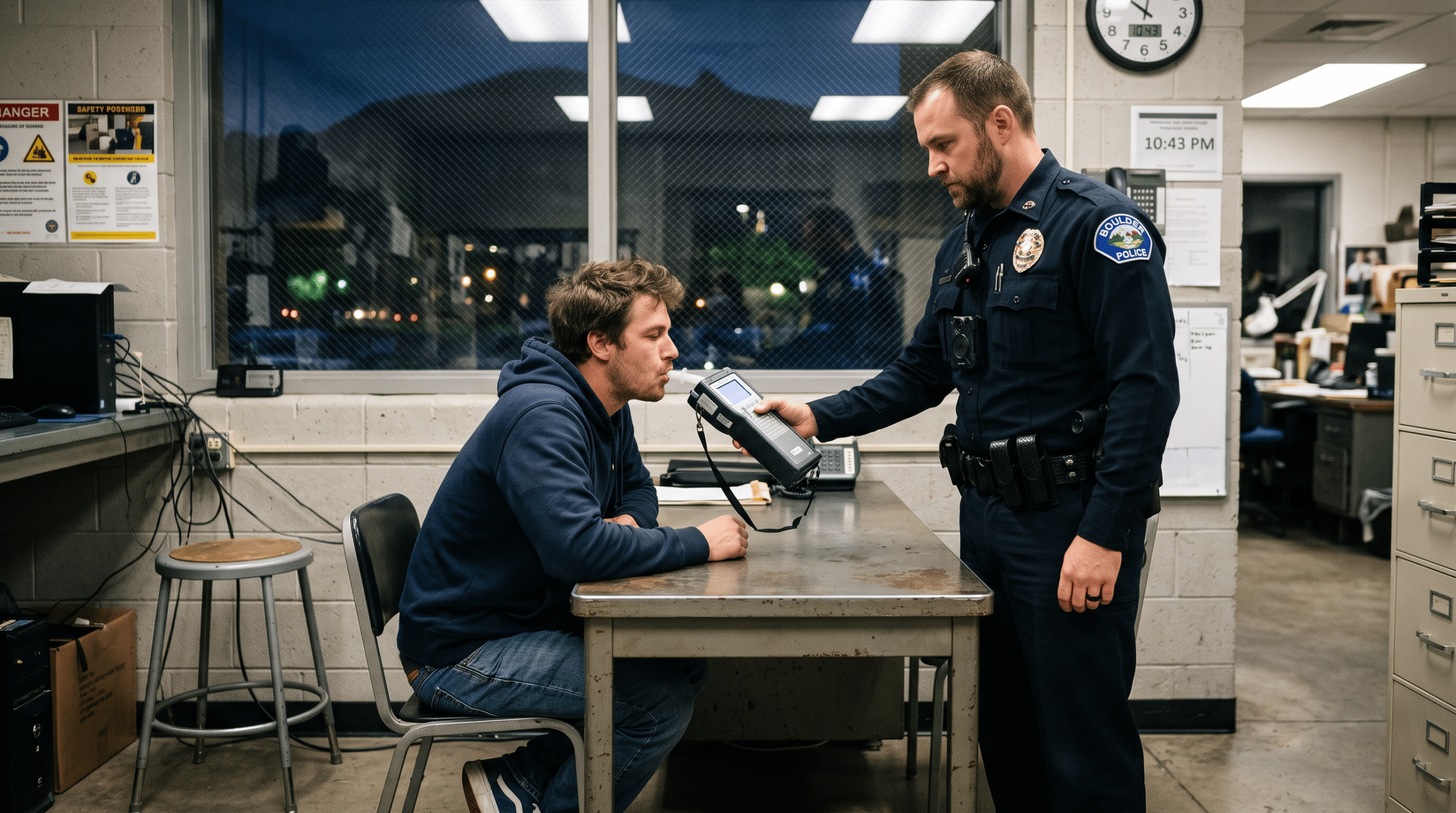
A DUI arrest does not always mean the chemical test tells the full story. In Colorado, the timing of the test can be just as important as the result itself. Sometimes, a driver’s blood alcohol concentration is still rising after they stop driving, especially if they drank shortly before getting behind the wheel. This can become a key defense issue when the prosecution uses a test taken well after the stop. We know how frustrating it is when a test result makes your situation look worse than it really was at the time you were driving. At Watkins Law Firm LLC, we help people in Boulder and the Denver area who are facing DUI, DWAI, DUID, and related charges.
What Rising Blood Alcohol Means
Rising blood alcohol means the body is still absorbing alcohol into the bloodstream. After someone drinks, their blood alcohol level does not peak right away. Absorption can continue for a while, depending on things like how much was consumed, when the last drink was, whether there was food in the stomach, body size, drinking habits, and the type of alcohol.
This is important because a driver might test over the legal limit after a stop, even if their BAC was lower while driving. In many DUI cases, the breath or blood test is not done at the roadside. It often happens at a police station, jail, hospital, or testing center. If there is a delay, the test result might show a higher BAC than the driver actually had while driving.
Colorado DUI Per Se Law And The Two-Hour Rule
Colorado DUI law is found at C.R.S. § 42-4-1301. Under that statute, a person commits DUI per se when the person drives with a BAC of 0.08 or more at the time of driving or within two hours after driving. That two-hour language is important. It means the prosecution may rely on a chemical test taken after the stop if the test is within the statutory time period and the legal requirements are met.
A rising blood alcohol defense does not ignore this rule. Instead, it questions whether the test result truly shows the person’s BAC and level of impairment at the right time. Sometimes, the defense looks at whether the person was actually under the influence while driving. Other times, it focuses on whether the government can prove DUI per se beyond a reasonable doubt, especially if the test was done close to the two-hour limit or if the drinking pattern suggests ongoing absorption. and DWAI differently.
DUI generally means the prosecution claims alcohol, drugs, or both made the driver substantially incapable of safely operating a vehicle. DWAI generally means the prosecution claims the driver was affected to the slightest degree so that the driver was less able than usual to drive safely. DUI per se focuses on the BAC level.
Time of the last drink is often one of the most important facts in a rising blood alcohol defense. If a person consumed alcohol shortly before driving, the body may not have fully absorbed it by the time the person was stopped. A chemical test taken later may show a higher number than the BAC at the time of driving. That difference can be significant when the test result is close to 0.08 or when the state’s case depends heavily on the chemical test.
The timeline can include when the person stopped drinking, when they drove, when police made contact, when field sobriety tests happened, when the arrest took place, when they arrived at the testing location, and when the breath or blood sample was taken. We carefully review each part of this timeline. Even small gaps can matter. A delay of 30, 45, 60, or 90 minutes can be important when showing that the test result does not accurately reflect the BAC while driving.
Evidence Used To Support A Rising BAC Defense
A rising blood alcohol defense is built from facts, not guesses. We may review receipts, bar tabs, restaurant records, video footage, witness statements, phone location data, text messages, body camera footage, dispatch records, officer notes, breath testing logs, blood draw records, and lab reports. We may also examine whether the police properly documented the time of driving and the time of the chemical test.
The defense may also require scientific review. Alcohol absorption and elimination are not the same for every person. Food, body composition, drinking speed, stomach contents, metabolism, and testing delay can all affect the analysis. When needed, we may evaluate whether a toxicology opinion could help explain why a later BAC result does not prove the driver was at the same level earlier.
Why The Defense Is Stronger In Some Cases Than Others
Rising blood alcohol is not a perfect defense in every DUI case. It is usually stronger when the BAC is near the legal limit, the test happened later in the investigation, the person drank shortly before driving, the driving pattern was not poor, and the officer’s observations do not clearly show impairment. It can also be important when a breath or blood test is taken close to the two-hour limit.
The defense may be harder when the BAC is very high, there was a crash, the driver admitted to heavy drinking earlier, the officer observed significant impairment, or there is strong video evidence of unsafe driving. Even then, timing may still matter for sentencing, plea discussions, or whether the state can prove the exact charge filed. We do not assume the BAC number ends the case. We test the evidence against the law.
DMV Consequences And The Express Consent Hearing
A Colorado DUI arrest can create two separate cases: the criminal case and the DMV license case. C.R.S. § 42-2-126 addresses administrative license revocation for excess BAC and refusal. The DMV process can move quickly, and a driver may have only a short period to request an Express Consent hearing after receiving a Notice of Revocation.
The DMV hearing may address whether the person drove or was in actual physical control of a motor vehicle and whether the BAC was 0.08 or greater within two hours of driving. That makes timing evidence important. A rising BAC argument may be relevant not only in criminal court, but also in the administrative license case. Missing the hearing deadline can allow the revocation to take effect, even while the criminal case is still pending.
Penalties If The DUI Case Results In A Conviction
Colorado DUI and DWAI penalties are addressed under C.R.S. § 42-4-1307. A conviction may involve jail, fines, public service, probation, alcohol education, treatment, monitored sobriety, and other court-ordered conditions. Prior DUI, DWAI, or related convictions can increase penalties. A high BAC, refusal, accident, child passenger, injury allegation, or probation violation can make the case more serious.
A rising BAC defense can affect the outcome in several ways. It may support dismissal, reduction, a plea to a lesser offense, a challenge to DUI per se, or a better sentencing position. The value of the defense depends on the facts, the timeline, the test result, and the quality of the police investigation.
How We Defend Colorado DUI Cases Involving Rising BAC Issues
When we review a DUI case, we do not stop at the test result. We examine whether the stop was lawful, whether the officer had enough evidence to arrest, whether field sobriety tests were administered fairly, whether the breath or blood test was valid, and whether the state can prove impairment or a prohibited BAC at the legally relevant time. We also study the drinking timeline and test timing to determine whether rising blood alcohol may create reasonable doubt.
We know these cases can affect your license, job, insurance, reputation, and future. A DUI charge in Boulder or the Denver area should be handled quickly and carefully. The earlier we can review the evidence, the better chance we have to preserve facts that may support your defense.
FAQs About Rising Blood Alcohol And Colorado DUI Charges
Can Rising Blood Alcohol Be A Defense To DUI In Colorado?
Yes, rising blood alcohol can be a defense issue in a Colorado DUI case. The argument is that the driver’s BAC may have been lower at the time of driving than it was when the breath or blood test was taken. This can matter when the chemical test occurred later, and the person had consumed alcohol shortly before driving. The defense is usually strongest when the test result is close to 0.08, the timeline supports continued absorption, and the officer’s observations do not strongly prove impairment. It does not automatically win the case, but it can create reasonable doubt or support a better resolution.
Does Colorado’s Two-Hour Rule Hurt A Rising BAC Defense?
Colorado’s DUI per se law includes a two-hour testing concept, which allows the prosecution to rely on BAC evidence at the time of driving or within two hours after driving. That rule can make the defense more complicated, but it does not make timing irrelevant. The prosecution still has to prove the case beyond a reasonable doubt. The defense may question whether the test was reliable, whether the timeline is accurate, whether the driver was impaired at the time of driving, and whether the test result fairly supports the exact charge. The two-hour rule must be analyzed with the facts of the case.
What If My BAC Was Exactly 0.08 Or Slightly Higher?
A BAC of 0.08 or slightly above can make rising blood alcohol especially important. If the test was taken significantly after driving, the driver’s BAC may have been lower while the vehicle was being operated. The difference between 0.07 and 0.08 can matter in a DUI per se case. We look at the time of the last drink, the time of driving, the time of the stop, the time of arrest, and the time of testing. We also review whether testing equipment, blood handling, or officer documentation created additional problems with the state’s proof.
Can Food Affect A Rising BAC Defense?
Yes. Food can slow alcohol absorption, which may cause BAC to rise later than expected. A person who drank with or shortly after a meal may still be absorbing alcohol after leaving a restaurant, bar, party, or event. This can matter if the police stop happened shortly after drinking ended and the test was taken later. Food is only one part of the analysis. The defense may also consider drinking speed, alcohol type, body size, metabolism, test timing, and the person’s physical condition. We work to build the most accurate timeline possible.
Is Rising Blood Alcohol The Same As Saying The Test Was Wrong?
No. Rising blood alcohol and test error are different defense issues, although both can appear in the same case. A rising BAC defense may accept that the test measured a certain BAC at the time of testing, while arguing that the number was higher than the driver’s BAC at the time of driving. A test error defense challenges the reliability or accuracy of the test itself. That may involve breath machine maintenance, blood sample handling, chain of custody, contamination, calibration, or lab procedures. We review both timing and testing reliability.
Should I Tell Police When I Had My Last Drink?
You should be careful about answering questions during a DUI investigation. Officers often ask questions about what you drank, when you drank, where you drank, and when you last ate. Those answers can be used by the prosecution. In some cases, timing facts may help a rising BAC defense, but statements made during a roadside investigation can also create problems. A person should not lie to police, but they also have constitutional rights. After an arrest, the best step is to speak with a defense attorney before making any further statements about the facts.
Call Watkins Law Firm LLC For Help With A Colorado DUI Defense
If you are facing a DUI, DWAI, DUI per se, or alcohol-related driving charge in Colorado, Watkins Law Firm LLC can help. A rising blood alcohol defense may be important when the test result does not fairly show your BAC at the time you were driving. We defend clients in Boulder and throughout the Denver area against DUI, drug-related driving, and related criminal allegations.
Contact our Boulder DUI defense attorney by calling us 24/7 at 303-507-1324 for your free consultation. Our Boulder DUI defense lawyer represents clients in Boulder and throughout the Denver area from our office locations in Boulder, Colorado.
