
How To Defend Against Cocaine Possession Charges In Boulder
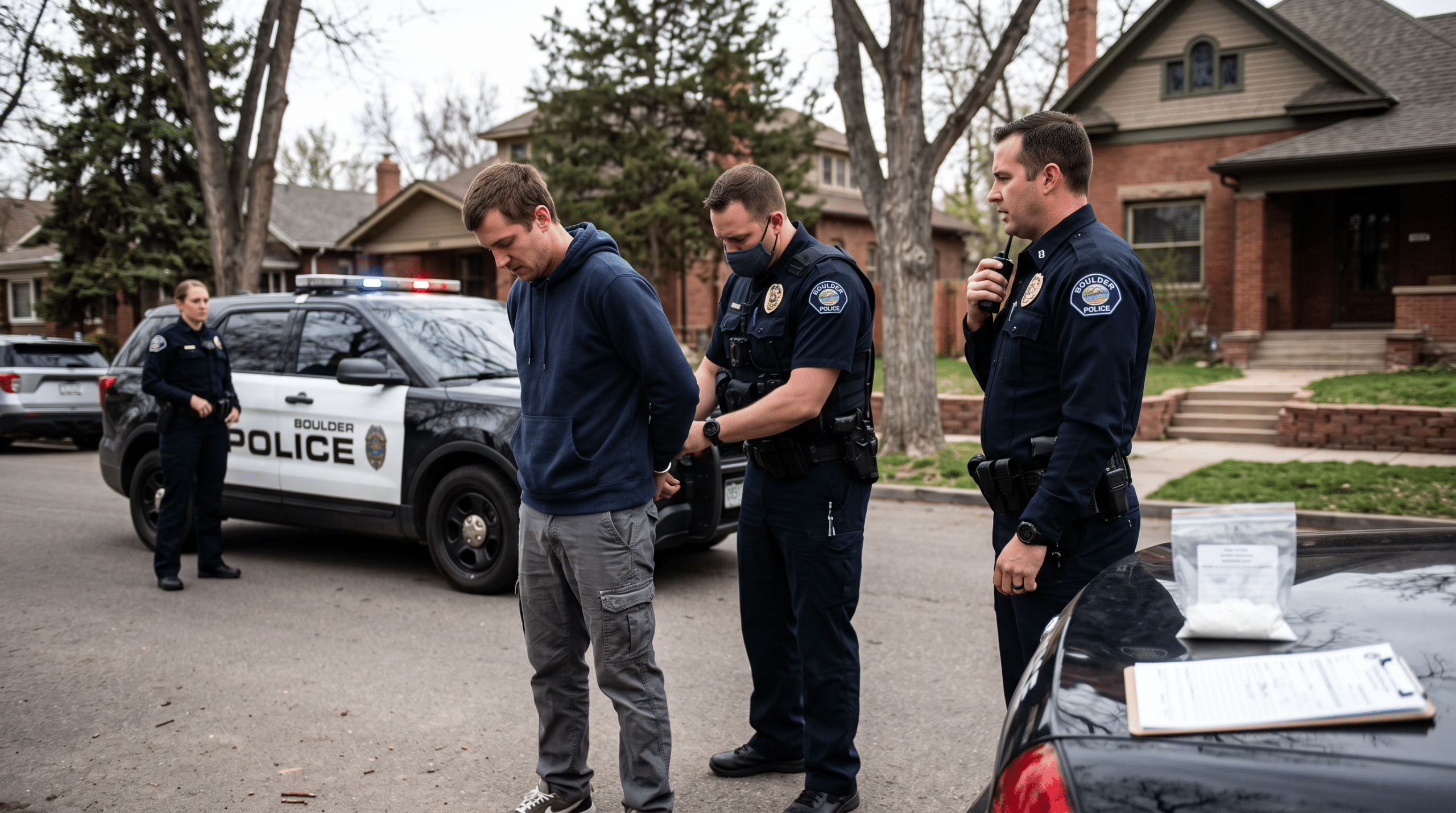
A cocaine possession charge in Boulder can create immediate fear about jail, probation, drug testing, employment, professional licensing, immigration status, and a permanent criminal record. Many people charged with possession are not accused of selling drugs, but the consequences can still be serious. A small amount of cocaine can lead to a criminal case that affects work, school, housing, child custody, and future background checks. We know how quickly a traffic stop, house search, party, or shared vehicle can turn into a drug arrest. At Watkins Law Firm LLC, we defend people in Boulder and throughout the Denver area who are accused of cocaine possession and other Colorado drug crimes.
Colorado Cocaine Possession Law
Most cocaine possession cases in Colorado are charged under C.R.S. § 18-18-403.5, which covers unlawful possession of controlled substances. Cocaine is classified as a controlled substance, and prosecutors must show more than just that you were near the drug. They have to prove you knew about the cocaine and had possession of it. This is important because many cases involve shared cars, apartments, bags, hotel rooms, or parties where several people had access.
Possession cases can involve actual or constructive possession. Actual possession means the drug was found on you, like in your pocket, wallet, purse, or backpack. Constructive possession is more complex. Prosecutors might argue you had control over cocaine even if it was just nearby. We often challenge these cases because being close to drugs does not always mean you owned, controlled, or knew about them.
When Possession Can Become A More Serious Drug Case
Not all cocaine cases are treated as simple possession. Prosecutors may consider the amount, packaging, cash, scales, messages, baggies, or statements and argue the case involves distribution or intent to distribute. Colorado’s distribution law, C.R.S. § 18-18-405, covers selling, distributing, making, or possessing a controlled substance with intent to distribute.
This distinction is critical. A possession case is often very different from an allegation that someone intended to sell or distribute cocaine. Prosecutors may try to build an intent case from circumstantial evidence, but those assumptions can be challenged. A person may have cash for lawful reasons. A phone may contain messages with innocent explanations. Packaging may not prove sales. We review the evidence carefully before accepting the prosecution’s theory.
Search And Seizure Issues In Boulder Cocaine Cases
Many defenses in cocaine possession cases start with how the search was done. Article II, Section 7 of Colorado’s Constitution protects you from unreasonable searches and seizures. Police need a warrant based on probable cause, and the warrant must clearly describe where they can search and what they can take. These rules apply to traffic stops, car searches, home searches, phone searches, backpack searches, and searches of personal items.
If police found cocaine after an illegal stop, detention, vehicle search, invalid warrant, or improper consent, we may be able to ask the court to throw out the evidence. If the cocaine is excluded, the prosecution may have little or no case left. We check if police had reasonable suspicion for the stop, probable cause for the search, valid consent, a proper warrant, or a legal exception.
Traffic Stop Cocaine Possession Cases
A common Boulder cocaine case begins with a traffic stop. Police may stop a driver for speeding, a lane violation, expired tags, equipment issues, or alleged impaired driving. During the stop, officers may ask questions, request consent to search, call for a drug dog, or claim they smelled something suspicious. What happens during those minutes matters.
Police cannot extend a traffic stop without a lawful basis. They also cannot pressure someone into consent and then treat that consent as freely given if the circumstances show coercion. We review body camera footage, dash camera video, radio traffic, reports, and timing. A few minutes of unlawful delay can become a major defense issue. When the search is weak, the rest of the case may weaken with it.
Shared Space And Constructive Possession Defenses
Some of the strongest cocaine possession defenses involve shared spaces. Drugs found in a center console, glove box, apartment bathroom, bedroom drawer, purse, backpack, hotel room, or party location do not automatically belong to the person charged. Prosecutors must connect the accused person to the substance. That connection may be missing, weak, or based on assumptions.
We look at who owned the vehicle, who rented the room, who had keys, who had access, where the cocaine was located, whether fingerprints or DNA were collected, and whether police ignored other possible owners. We also review whether anyone made statements shifting blame. In shared-space cases, the defense may focus on lack of knowledge, lack of control, mistaken assumption, or insufficient proof.
Lab Testing And Evidence Problems
The prosecution must prove that the substance was cocaine. Field tests are not the same as final laboratory testing. Lab reports, chain of custody records, packaging records, officer handling, and storage procedures may all matter. Mistakes can happen when evidence is collected, labeled, transported, stored, or tested.
We review whether the substance was properly tested, whether the report matches the evidence, whether the amount was measured correctly, and whether the chain of custody is reliable. In some cases, the issue is not only whether cocaine was present, but whether the prosecution can prove the specific charge beyond a reasonable doubt.
Consequences Of A Cocaine Possession Conviction
A cocaine possession conviction can affect far more than sentencing. Drug felony sentencing in Colorado is addressed under C.R.S. § 18-1.3-401.5, and the exact penalties depend on the charge level, substance, amount, criminal history, and case facts. A conviction may involve probation, jail, prison exposure in more serious cases, fines, treatment, testing, court costs, and community service.
The collateral consequences can be just as damaging. A cocaine conviction may affect employment, professional licensing, housing applications, immigration status, education, financial aid, security clearances, and parenting disputes. Licensed professionals, students, healthcare workers, teachers, government employees, and people in finance or transportation may face added risk. We consider these issues from the start because the best outcome is not always measured only by the court sentence.
How We Build A Defense Strategy
We do not assume the police report tells the whole story. We review the stop, detention, search, statements, body camera footage, witness accounts, lab testing, and charging decision. We look for constitutional violations, weak possession evidence, problems with intent, unreliable statements, incomplete investigations, and factual gaps.
A defense strategy may involve filing a motion to suppress, challenging constructive possession, disputing the alleged amount, questioning lab evidence, negotiating for reduced charges, pursuing dismissal, or seeking an outcome that protects the client’s record and future. Every cocaine case is different. The key is to act early, before evidence is lost and before statements create more problems.
FAQs About Cocaine Possession Charges In Boulder
Can I Be Charged With Cocaine Possession If The Drugs Were Not On Me?
Yes, but the prosecution still has to prove possession. If cocaine was not found on your body, prosecutors may rely on constructive possession. That means they may argue that you knew about the cocaine and had the ability to control it. This is common in shared cars, apartments, hotel rooms, and social settings. The defense may challenge whether you actually knew the cocaine was there or whether the police simply assumed it was yours. Being near drugs is not always enough. We look at access, ownership, location, statements, fingerprints, DNA, and whether other people had equal or greater connection to the substance.
Can Police Search My Car For Cocaine During A Traffic Stop?
Police need a lawful basis to search a vehicle. A traffic stop alone does not automatically allow officers to search the car. They may ask for consent, claim probable cause, use a drug dog under certain circumstances, or rely on another exception. The legality of the search depends on the facts. If officers unlawfully extended the stop, pressured consent, lacked probable cause, or searched beyond legal limits, the evidence may be challenged. We review body camera footage and the timing of the stop because search issues are often central in Boulder cocaine possession cases.
What If The Cocaine Belonged To Someone Else?
If the cocaine belonged to someone else, that fact may be central to the defense. Colorado prosecutors must prove that you knowingly possessed the cocaine. In a shared space, another person may have owned it, placed it there, hidden it, or had stronger access to it. Police sometimes arrest the person closest to the drugs rather than the person who actually possessed them. We examine the physical location of the substance, who had access, who made statements, whether the police investigated other suspects, and whether the evidence truly connects you to the cocaine.
Can A Cocaine Possession Charge Be Reduced Or Dismissed?
Yes, depending on the facts. A charge may be reduced or dismissed if the prosecution has weak evidence, the search was unlawful, the stop was invalid, lab testing is unreliable, or possession cannot be proven. Some cases may also be resolved through treatment-based options, deferred judgment, or negotiated outcomes when appropriate. No result is automatic. Cocaine cases must be reviewed carefully because early decisions can affect record sealing, employment, immigration issues, and licensing concerns. We focus on building leverage by identifying weaknesses in the State’s case.
Will I Go To Jail For Cocaine Possession In Colorado?
Jail depends on the charge level, amount, criminal history, case facts, and court decision. A simple possession case may be treated differently from a case involving alleged distribution, a large quantity, weapons, prior convictions, or probation violations. Even when jail is not the main risk, a conviction can still create serious consequences for work, housing, school, immigration, and professional licensing. We help clients understand both the sentencing risks and the long-term consequences that may follow a cocaine possession case.
Should I Talk To Police If They Say They Found Cocaine?
No one should try to explain a cocaine possession allegation to police without legal guidance. People often believe they can talk their way out of an arrest, but statements can make the case worse. Even saying “I did not know that was there” may lead to follow-up questions designed to place you near the evidence. Police reports may also summarize statements in ways that do not capture the full conversation. It is safer to remain calm, state that you want an attorney, and avoid discussing the facts of the case.
Call Watkins Law Firm LLC For Help With A Cocaine Possession Charge
If you are facing cocaine possession charges in Boulder, Watkins Law Firm LLC can help. We defend clients accused of drug possession, felony drug crimes, distribution, trafficking, search-related drug cases, and other Colorado criminal charges. We understand how a cocaine allegation can affect your record, license, job, education, immigration status, and future.
Contact our Boulder drug crime lawyer by calling us 24/7 at (303) 507-1324 for your free consultation. Our Boulder drug crime defense lawyer represents clients in Boulder and throughout the Denver area from our office locations in Boulder, Colorado.
