
How Federal Prosecutors Build Drug Trafficking Cases
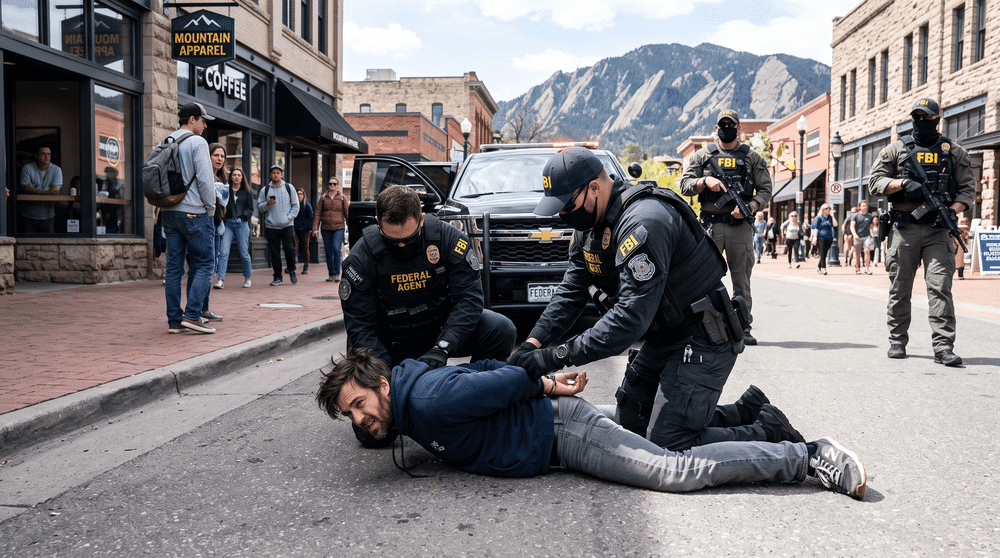
Federal drug trafficking cases are rarely built overnight. By the time agents arrest someone or execute a search warrant, the government may have spent weeks or months collecting evidence. Federal prosecutors may use phone records, surveillance, informants, controlled buys, financial records, intercepted communications, traffic stops, search warrants, lab reports, and statements from cooperating witnesses.
We understand how intimidating it feels when a person learns that a drug case is being handled in federal court instead of state court. These cases often move fast, involve large amounts of evidence, and carry serious sentencing exposure. At Watkins Law Firm LLC, we defend clients in Boulder and throughout the Denver area who are facing serious drug investigations, state drug charges, and federal criminal allegations.
Federal Drug Trafficking Law
Federal drug trafficking charges are often filed under 21 U.S.C. § 841. That statute makes it unlawful to knowingly or intentionally manufacture, distribute, dispense, or possess a controlled substance with intent to manufacture, distribute, or dispense it. A person does not have to be caught in the act of selling drugs to face a federal trafficking charge. Prosecutors may rely on quantity, packaging, communications, cash, ledgers, firearms, scales, travel patterns, or witness statements to argue that drugs were intended for distribution.
Federal prosecutors may also charge conspiracy under 21 U.S.C. § 846. A drug conspiracy charge can be especially serious because the government may claim that several people agreed to participate in drug distribution, even if each person had a different role. One person may be accused of supplying drugs, another of transporting them, another of storing money, and another of arranging sales. The government may try to connect people through phone data, text messages, social media, surveillance, and witness testimony.
How Federal Cases Differ From Colorado Drug Cases
Colorado drug cases are often charged under state law, including C.R.S. § 18-18-405 for unlawful distribution, manufacturing, dispensing, sale, or possession with intent to distribute. Colorado possession cases may be charged under C.R.S. § 18-18-403.5. Federal cases may involve similar conduct, but the process and penalties can be very different.
A case may become federal because of drug quantity, interstate activity, firearms, alleged organized trafficking, federal agency involvement, prior criminal history, confidential informants, wiretap evidence, or a connection to a larger investigation. Federal agencies such as the DEA, FBI, ATF, Homeland Security Investigations, or federal task forces may work with local police. A person may begin as a target in a Colorado investigation and later learn that federal prosecutors are involved.
Controlled Buys And Confidential Informants
Controlled buys are one of the tools federal agents use to build drug trafficking cases. A confidential informant or cooperating witness may claim to buy drugs from a suspect while law enforcement monitors the transaction. Agents may search the informant before and after the buy, record calls, provide marked money, conduct surveillance, and test the substance afterward.
These cases can look strong on paper, but they still need to be tested. Informants often have their own problems. Some are facing criminal charges. Some are trying to reduce their sentence. Some are paid. Some have addiction issues or a history of dishonesty. We look closely at whether the informant was reliable, whether the alleged transaction was recorded, whether officers saw the exchange, whether the drugs were tested, and whether the reports match the evidence.
Phone Records, Text Messages, And Location Data
Federal prosecutors often use digital evidence to tie people together. Phone records may show calls, texts, tower locations, app messages, or contact patterns. The government may argue that repeated communication around certain times shows drug activity. Text messages may be interpreted as coded language. Location data may be used to suggest travel to stash houses, meeting points, or delivery locations.
Digital evidence can be powerful, but it can also be misunderstood. A call does not prove a drug deal. A text may have more than one meaning. Location data may place a phone near an area without proving who had the phone or what they were doing. We review warrants, search methods, phone extractions, chain of custody, message context, and whether agents are making assumptions that go beyond the evidence.
Surveillance And Search Warrants
Federal drug cases often include physical surveillance. Agents may watch a home, apartment, storage unit, vehicle, hotel, parking lot, or business. They may document who comes and goes, how long visits last, whether packages are carried, and whether vehicles travel between suspected locations. Surveillance may then be used to support a search warrant.
Search warrants can lead to major evidence, including drugs, firearms, cash, packaging, scales, phones, documents, and alleged ledgers. We review whether the warrant was supported by probable cause, whether the affidavit included reliable information, whether stale or misleading facts were used, and whether agents searched within the scope of the warrant. If a search violated constitutional protections, the defense may seek to suppress evidence.
Drug Quantity And Intent To Distribute
Drug quantity is often central in federal trafficking cases. Prosecutors may argue that the amount is too large for personal use. They may also point to packaging, multiple baggies, scales, cutting agents, firearms, cash, or messages to argue that the person intended to distribute.
Quantity alone does not always tell the full story. A person may be addicted, may possess drugs for personal use, may share a location with others, or may be near drugs that belonged to someone else. We examine whether the government can prove actual or constructive possession, knowledge, intent, and connection to the drugs. In shared homes, shared vehicles, and group investigations, those issues can be critical.
Cooperating Witnesses And Pressure To Plead
Federal prosecutors often build trafficking cases with cooperating witnesses. These witnesses may claim that a defendant supplied drugs, bought drugs, stored drugs, transported drugs, collected money, or helped arrange sales. A cooperating witness may receive a benefit for providing information or testimony.
That does not mean the witness is always lying. It does mean their motive must be examined. A witness who hopes for a reduced sentence may have a strong reason to help the government. We compare witness statements with phone records, travel data, surveillance, financial records, lab reports, and other evidence. If the witness story does not match the facts, that can become an important defense issue.
Why Early Defense Matters In A Federal Drug Case
Federal drug investigations can be difficult to fight if a person waits too long. By the time charges are filed, agents may have already gathered evidence and interviewed witnesses. Early legal defense can help protect against damaging statements, preserve evidence, evaluate search warrants, challenge detention, and prepare for indictment or plea negotiations.
We also look at whether the case belongs in federal court, whether the government can prove trafficking instead of possession, whether the drug quantity is accurate, whether the alleged conspiracy is overstated, and whether the client is being blamed for other people’s conduct. A federal drug case is serious, but the government still has to prove its case.
FAQs About Federal Drug Trafficking Cases
What Makes A Drug Case Federal Instead Of State?
A drug case may become federal because of drug quantity, interstate activity, firearms, alleged trafficking networks, federal agency involvement, informants, wiretaps, or a connection to a larger investigation. Some cases begin with local police in Colorado and later move to federal court after task force involvement. Federal prosecutors often focus on larger distribution cases, conspiracy allegations, fentanyl, methamphetamine, cocaine, heroin, firearms, or repeat conduct. The fact that a case is federal does not mean the person is guilty. It means the defense must address federal procedure, federal evidence rules, and federal sentencing exposure.
Do Federal Prosecutors Need To Catch Someone Selling Drugs?
No. Federal prosecutors do not always need to show that officers personally saw a sale. Under 21 U.S.C. § 841, the government may charge possession with intent to distribute based on drug quantity, packaging, cash, scales, messages, witness statements, controlled buys, surveillance, or other evidence. That said, intent can be challenged. Possession for personal use is different from trafficking. Shared spaces, weak witness testimony, unclear messages, or lack of direct proof may create defense issues.
What Is A Federal Drug Conspiracy?
A federal drug conspiracy under 21 U.S.C. § 846 usually alleges that two or more people agreed to commit a federal drug crime. The government may claim that different people had different roles in the same plan. A person may be accused of participating even if they did not personally handle every drug transaction. These cases can be broad, so it is important to challenge the alleged agreement, the client’s role, the timeline, the drug quantity, and whether the government is relying too heavily on cooperating witnesses.
Can Text Messages Be Used In A Federal Drug Case?
Yes. Text messages, app messages, phone records, and location data are often used in federal drug trafficking cases. Prosecutors may argue that certain words are code for drugs, money, quantities, or meeting places. We do not accept those interpretations without testing them. Messages must be reviewed in context. The defense may question who used the phone, what the messages actually mean, whether the search was lawful, and whether the government is reading criminal meaning into vague language.
Can A Search Warrant Be Challenged In A Federal Drug Case?
Yes. A search warrant can be challenged if there are legal problems with probable cause, the affidavit, the scope of the search, the timing of the information, or the way the search was carried out. If agents relied on weak informant claims, stale information, misleading statements, or unsupported conclusions, the defense may have grounds to file a motion to suppress. If key evidence is suppressed, the government’s case may become much weaker.
Should I Talk To Federal Agents If I Am Innocent?
You should speak with a defense attorney before talking to federal agents. Innocent people can still make statements that are misunderstood, incomplete, or later used against them. Federal agents are trained investigators. They may already have phone records, witness statements, surveillance, or other evidence before they ask questions. Talking without counsel can create risk, including false statement concerns. Asking for a lawyer is not an admission of guilt. It is a smart way to protect yourself.
Call Watkins Law Firm LLC For Help With A Federal Drug Trafficking Case
If you are under investigation for federal drug trafficking, drug conspiracy, possession with intent to distribute, or a serious Colorado drug offense, Watkins Law Firm LLC can help. We defend clients in Boulder and throughout the Denver area in federal criminal cases, drug trafficking investigations, search warrant cases, conspiracy allegations, and serious felony matters. We know how prosecutors build these cases, and we know how to test the evidence. Contact our Boulder federal criminal defense lawyer by calling us 24/7 at 303-507-1324 for your free consultation.
