
Federal Search Warrant Executed At Your Home? Here’s What To Do
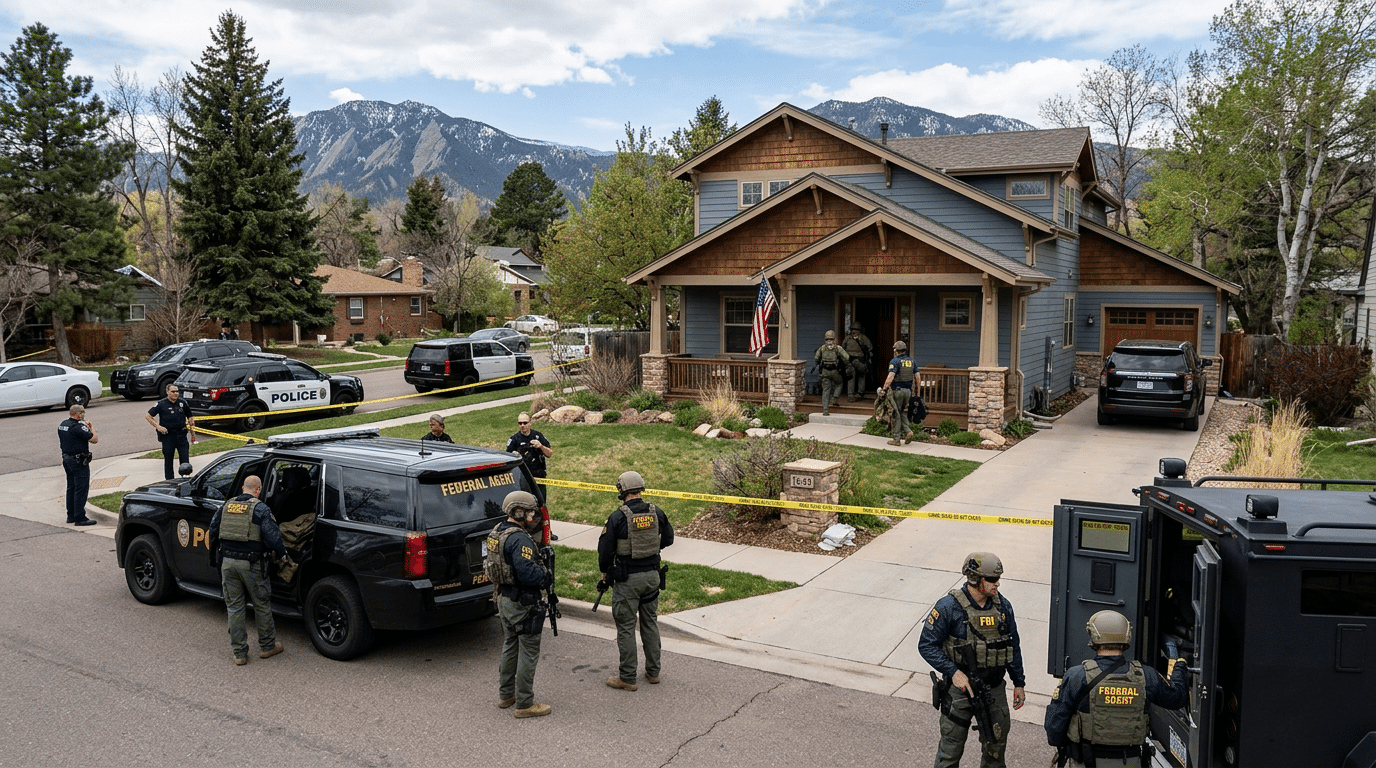
Having federal agents show up at your home with a search warrant can be extremely stressful. They might arrive early, separate everyone inside, take phones and computers, ask questions, and remove property before you know what is happening. In Boulder or anywhere in Colorado, these investigations can involve federal agencies, state officers, or joint task forces. The warrant could be about alleged drug crimes, firearms, fraud, money laundering, electronic evidence, or other serious accusations. We understand that fear can make people talk too much, agree to things they do not have to, or make choices that hurt their defense later.
Stay Calm And Do Not Interfere With The Search
If agents have a valid federal search warrant, do not try to stop them from searching. Federal search warrants usually follow Rule 41 of the Federal Rules of Criminal Procedure. This rule lets a judge or magistrate issue a warrant for evidence, contraband, items from a crime, illegally owned property, property used in a crime, or to arrest someone. The warrant must clearly state the place to be searched and what items can be taken.
You can stay calm and still protect your rights. Do not argue, touch the agents, block their way, destroy evidence, hide things, delete data, or ask anyone else to do these things. Doing so could lead to new criminal charges, like obstruction. The safest thing to do is follow lawful instructions, avoid conflict, and contact a criminal defense lawyer as soon as possible.
Ask To See The Warrant And Read What It Covers
Ask to see the warrant. You might not be able to read all the supporting documents right away, especially if they are sealed, but you can usually see the warrant itself and any attachments that describe the place and items to be taken. Check for the address, what areas the warrant covers, what property is listed, the date, the judge’s signature, and which agencies are involved.
The details of the warrant are important. Agents can only search rooms, containers, electronic devices, vehicles, safes, or storage areas if the warrant allows it and if the items could reasonably be there. For example, if the warrant is for financial records, agents should not search places where those records would not be found. If the warrant is for drugs or firearms, the search may be broader since those items can be hidden in many places. Do not argue about this during the search. Instead, make mental notes, ask for a copy of the warrant, and let your lawyer handle any challenges later if agents went beyond what the warrant allowed.
Do Not Answer Questions About The Case
A search warrant does not mean you have to explain yourself. Agents might ask questions during the search. They could say they want your side of the story or suggest that cooperating will help you. They may ask who owns a phone, who sleeps in a bedroom, if drugs belong to you, if you know someone, or if you want to explain why certain things are in your home.
You have the right to stay silent. You can tell agents you want to talk to a lawyer before answering any questions. This is not rude and does not mean you are guilty. In federal and Colorado drug cases, anything you say about ownership, knowledge, access, or intent can become important evidence. For example, in Colorado, prosecutors may use laws like C.R.S. § 18-18-405, which covers making, selling, or having drugs with intent to distribute. Even a quick answer under stress can later be used to claim you knew about drugs, money, records, firearms, or electronic evidence.
Do Not Consent To A Larger Search
Even if agents have a warrant, they might ask for your permission to search areas, devices, accounts, vehicles, or places not listed in the warrant. You do not have to agree to anything beyond what the warrant allows. If agents ask, you can clearly say that you do not consent to any search beyond what the warrant covers.
If you give consent, it can be strong evidence for the government. It may be much harder to challenge that part of the search later. This is especially true for phones, computers, cloud accounts, passwords, locked containers, vehicles, and storage units. Digital evidence can include years of private messages, photos, location data, financial details, and conversations. Do not give out passwords or passcodes before talking to a lawyer.
Colorado Search Warrant Rules May Also Matter
Even when federal agents are involved, Colorado law may become important if state charges are filed or if local officers participated. In Colorado, a search warrant must be supported by an affidavit sworn to or affirmed before a judge. The affidavit must identify or describe the place or thing to be searched, identify or describe the property sought, establish grounds or probable cause, and show probable cause to believe the property is located where the search will occur.
These rules are important because a search warrant is not valid just because officers are suspicious. The warrant must be based on facts that show probable cause. In drug cases, these facts might come from surveillance, informants, controlled buys, traffic stops, phone data, financial records, intercepted calls, trash searches, or other methods. We look at whether the affidavit really showed probable cause or if it used old information, unreliable sources, broad guesses, or left out important facts.
Take Notes After The Agents Leave
Once the search is over, write down everything you remember. Include the time agents arrived, the agencies involved, names or badge numbers if available, what they said, where they searched, what they seized, whether they took phones or computers, whether they questioned anyone, and whether any property was damaged. Save the inventory sheet and every document they left behind.
Do not post about the search online. Do not text friends about the facts. Do not call witnesses to compare stories. Do not ask someone else to hide property or delete messages. The government may already have phone records, cloud data, surveillance, informant statements, or recordings. After a search warrant, assume that communications may be reviewed later.
A Search Warrant Does Not Always Mean You Will Be Arrested
Sometimes agents search a home and make an arrest right away. Other times, they take property and keep investigating for weeks or months. You could be a target, a subject, a witness, or just connected to someone under investigation. If agents searched your home, it is serious, but it does not always mean you have been charged.
Now is the time to take action. Waiting for an indictment, summons, or arrest gives the government more time while you are unprotected. Getting a lawyer involved early lets them contact prosecutors, save evidence, review the warrant, find weaknesses, protect your rights, and help you avoid saying things that could hurt your case.
How We Defend Cases After A Federal Search Warrant
We review the warrant, any attachments, the inventory, affidavits if available, and all the facts about the search. We check for probable cause, the scope of the search, how it was carried out, timing, digital evidence, consent, statements, and whether agents took property they were not allowed to. If the search broke federal or Colorado law, we may try to get evidence thrown out or seek other relief.
In drug cases, we also look at whether the government can prove possession, knowledge, intent to distribute, manufacturing, trafficking, conspiracy, or a link to the items found. Just because something is found in a home does not mean it belongs to everyone living there. Shared homes, roommates, visitors, family, locked rooms, and digital devices can make it hard for the prosecution to prove their case.
FAQs About Federal Search Warrants In Colorado
Should I Let Federal Agents Into My Home If They Have A Search Warrant?
If agents present a valid search warrant for your home, you should not physically block them or interfere with the search. You can ask to see the warrant and request a copy. You should also clearly state that you do not consent to any search beyond the warrant. That statement helps protect your rights without creating a confrontation. Do not answer questions about the case, ownership of property, drugs, money, firearms, phones, or other evidence. Ask to speak with an attorney before making any statement.
Can Federal Agents Take My Phone Or Computer?
Yes, if the warrant authorizes seizure of electronic devices or if the devices fall within the categories listed in the warrant. Federal investigations often involve phones, computers, tablets, hard drives, and cloud accounts because these devices may contain messages, photos, financial records, location data, browser history, or contacts. Do not provide passwords or passcodes without legal advice. Digital searches can raise serious issues about scope, privacy, and whether the government is reviewing material beyond what the warrant permits.
What If The Warrant Is Based On False Information?
A warrant may be challenged if it was based on false statements, misleading omissions, stale information, unreliable informants, or facts that did not establish probable cause. These challenges are technical and depend on the affidavit, investigation, and evidence. You may not receive the full affidavit immediately if it is sealed, but your attorney may later seek access and review whether the warrant was properly issued. If the warrant was defective, evidence may be subject to a suppression motion.
Can I Be Charged In Colorado State Court After A Federal Search?
Yes. A search involving federal agents does not always mean the case will stay in federal court. Some investigations involve federal, state, and local agencies working together. Depending on the facts, charges may be filed in federal court, Colorado state court, or both. Colorado drug statutes may apply if prosecutors pursue state charges, including C.R.S. § 18-18-405 for distribution, manufacturing, sale, or possession with intent to distribute. The filing decision may depend on the amount of drugs, firearms, criminal history, interstate activity, and the agencies involved.
Should I Talk To Agents To Explain That The Items Were Not Mine?
No, not without speaking to an attorney first. Many people want to explain that they did not own the drugs, money, phone, firearm, or records found in the home. The problem is that even a denial may place you near the evidence or show knowledge of it. Statements about bedrooms, closets, safes, cars, phones, visitors, roommates, or packages may help the government build a case. It is safer to remain silent and let your attorney address the evidence after reviewing the warrant and reports.
What Should I Do Immediately After The Search?
Save every document the agents left behind, including the warrant, attachments, receipt, and inventory. Write down what happened while it is fresh in your memory. Do not discuss the facts with friends, family, witnesses, coworkers, or other people involved. Do not delete messages, throw away items, move property, or contact anyone to coordinate a story. Call a criminal defense lawyer quickly. The first few days after a search warrant can shape the entire defense.
Call Watkins Law Firm LLC After A Federal Search Warrant In Colorado
If federal agents searched your home in Boulder or anywhere in the Denver area, Watkins Law Firm LLC can help. We defend clients facing serious criminal investigations involving drug allegations, controlled substances, trafficking accusations, electronic evidence, firearms, and related charges. A search warrant does not mean the government has proven its case, but it does mean you should act quickly and protect your rights. Contact our Boulder federal defense lawyer by calling us 24/7 at 303-507-1324 for your free consultation.
