
Federal Drug Charges In Colorado: Why The Stakes Are Higher
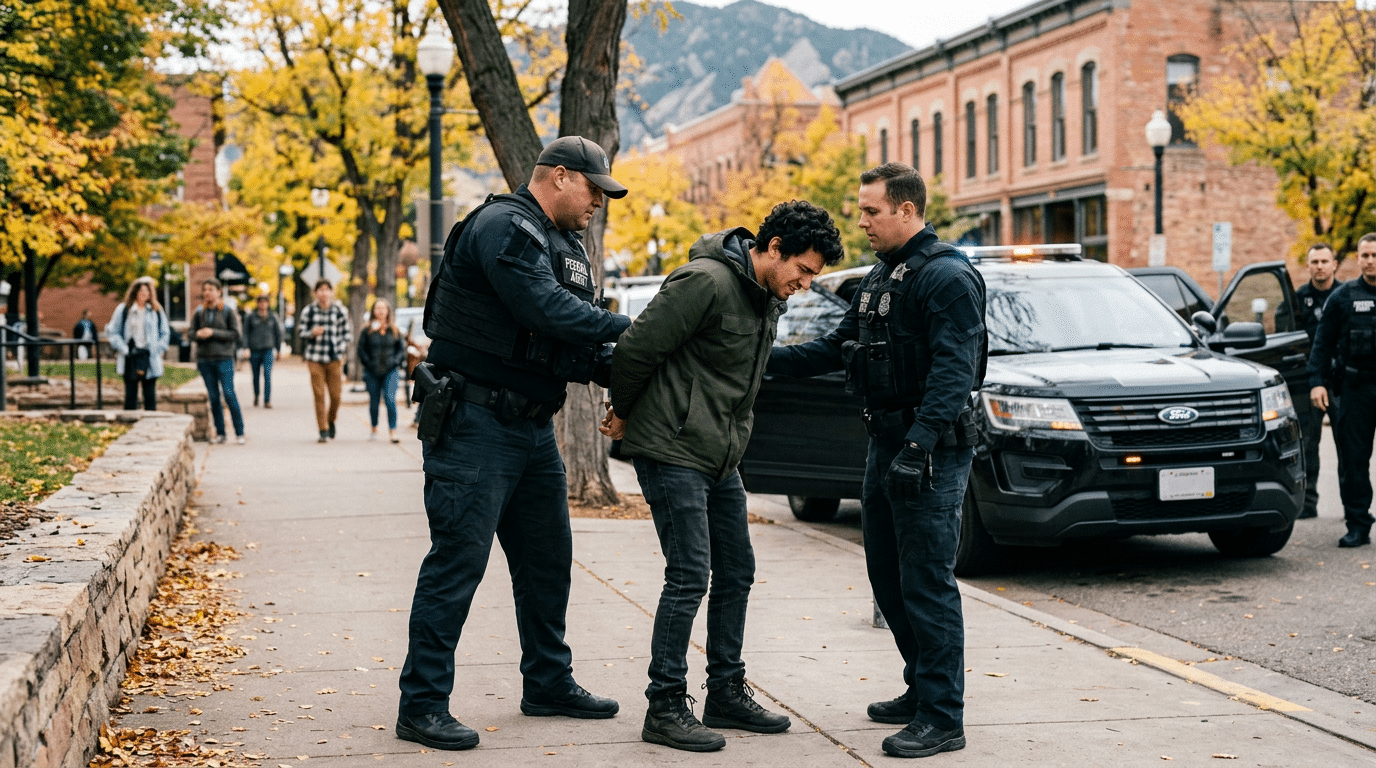
Getting arrested for drugs in Boulder is serious, but facing federal charges can be even more challenging. Federal prosecutors usually take on cases with bigger amounts, suspected trafficking rings, activity across state lines, firearms, wiretaps, informants, controlled buys, or long investigations. Often, by the time you find out you are under federal investigation, agents may already have months of surveillance, phone and financial records, text messages, and witness statements. We understand how overwhelming this can be. At Watkins Law Firm LLC, we help people in Boulder and the Denver area who are dealing with serious drug charges and want to know the difference between state and federal drug cases.
Why Some Drug Cases Become Federal
Not every drug case in Colorado is federal. Many possession, distribution, and manufacturing cases are handled in state court under Colorado law. Colorado’s unlawful distribution, manufacturing, dispensing, sale, and possession with intent statute is C.R.S. § 18-18-405. State prosecutors may bring charges when the alleged conduct happened within Colorado, and the case is investigated by local police or state law enforcement.
A case can become federal if federal agencies get involved or if the government thinks the case is bigger than a local drug crime. Federal cases might include the DEA, FBI, Homeland Security, ATF, postal inspectors, or task force officers. These cases often involve drug trafficking across state lines, mailing packages, large amounts of drugs, firearms linked to drug activity, overdose investigations, money laundering, or organized distribution.
Federal Drug Laws Carry Serious Penalties
Federal controlled substance prosecutions often rely on 21 U.S.C. § 841. That statute makes it unlawful to knowingly or intentionally manufacture, distribute, dispense, or possess with intent to manufacture, distribute, or dispense controlled substances. The punishment can depend on the type of drug, the quantity, prior convictions, whether serious bodily injury or death is alleged, and whether other enhancements apply.
This is one reason why federal drug cases are so risky. The amount of drugs involved can set the sentencing range. Drugs like fentanyl, meth, cocaine, heroin, and some pills can lead to very harsh penalties if prosecutors claim trafficking amounts. Sometimes, there is a mandatory minimum sentence, which limits the court’s options. Even if someone did not sell drugs themselves, federal law may let prosecutors say they are responsible for a larger amount connected to the case.
Federal Drug Conspiracy Charges Can Be Broad
Federal drug conspiracy cases are often charged under 21 U.S.C. § 846. That statute punishes attempts and conspiracies to commit federal drug offenses. In practical terms, federal prosecutors may allege that two or more people agreed to commit a drug crime, even if one person’s role was smaller than another person’s role.
This can be scary because someone might be accused just for making calls, sending texts, giving rides, transferring money, or being in contact with people under investigation. Prosecutors may use witnesses who are cooperating to explain the supposed agreement. They might also use coded messages, social media, phone data, and financial records to try to show someone joined the conspiracy on purpose. We carefully check if the government can actually prove agreement, knowledge, intent, and how far the conspiracy goes. Just being around people involved in drugs is not the same as knowingly joining a federal conspiracy.
Federal Detention Is A Major Risk
A federal drug defendant may face a detention hearing shortly after arrest. Under 18 U.S.C. § 3142, the court decides whether the person should be released before trial or detained. In serious federal drug cases, the government may argue that no release conditions can reasonably assure appearance in court or protect the community.
This is one of the first big moments in a federal case. Release is about more than comfort. It can affect your ability to work, support your family, help with your defense, get treatment, and keep your life stable. Federal judges look at things like criminal history, the amount of drugs involved, community ties, job status, family support, past court appearances, substance use, and whether firearms or violence are part of the case. We start preparing early because the detention hearing can affect the whole case.
Federal Evidence Is Often Built Before The Arrest
In many Colorado state drug cases, the evidence often starts with a traffic stop, a search, or a single police encounter. Federal cases are usually different. Federal agents may spend months building a case using surveillance, informants, controlled buys, search warrants, phone records, wiretaps, GPS data, bank records, package tracking, and grand jury subpoenas.
But that does not mean the government’s case is always strong. Federal investigations can still have weak assumptions, unreliable informants, illegal searches, missing context, mistaken identity, problems with evidence handling, or claims of drug amounts that are too high. We look at how the investigation began, what agents knew, if warrants were based on probable cause, if searches went beyond legal limits, and if statements were collected legally.
Colorado Law Still Matters In Some Federal Drug Cases
Even when the case is federal, Colorado law may still matter. A state investigation can develop into a federal prosecution. A local traffic stop in Boulder or elsewhere in the Denver area may lead to a federal case if agents claim the evidence connects to a larger operation. Conduct that could be charged under C.R.S. § 18-18-405 may become part of a federal indictment if the government alleges broader distribution, trafficking, or conspiracy.
Colorado’s laws can be confusing. Some drugs are treated differently under state, local, and federal law. Marijuana is the best example. Colorado has legalized and regulated some marijuana use, but it is still illegal under federal law. This conflict can be important when federal jurisdiction, federal property, firearms, interstate transport, or large-scale distribution are involved.
A Federal Drug Conviction Can Affect Your Life For Years
A federal drug conviction can hurt more than just your freedom. It can affect your job, housing, immigration status, student aid, professional license, security clearance, gun rights, travel, and family life. Federal supervised release can last long after prison. Breaking release rules can send you back to court or even back to jail.
The personal consequences can be serious. Employers may see a federal drug conviction as worse than a state charge. Licensed professionals could face action from their boards. Noncitizens might have immigration problems. Parents could face custody issues if the case involves trafficking, unsafe behavior, or exposing children to crime. Starting your defense early gives you a better chance to fight the charges and reduce the harm.
How We Defend Federal Drug Cases In Colorado
We begin by reviewing the indictment, complaint, evidence, search warrants, reports, lab results, phone records, witness statements, and detention issues. We check if the government can prove knowledge, intent, possession, distribution, conspiracy, drug type, and amount. We also look for any violations of your constitutional rights during searches, seizures, questioning, traffic stops, or phone searches.
Some federal drug cases are handled through legal motions. Others need careful negotiation. Some go to trial. We never assume the government’s story is right just because there is an indictment. We focus on the evidence, the law, your goals, and the real-life impact of every choice.
Call Watkins Law Firm LLC For Help With Federal Drug Charges In Colorado
If you are under investigation or charged with a federal drug crime in Colorado, Watkins Law Firm LLC can help. Federal drug cases can threaten your freedom, job, family, record, and future. We defend clients accused of serious drug crimes in Boulder and throughout the Denver area, including possession with intent, distribution, conspiracy, trafficking-related allegations, and federal drug investigations. Contact our Boulder drug crime lawyer by calling us 24/7 at 303-507-1324 for your free consultation.
