
Federal Cyberstalking Charges: What Conduct Can Lead To Prosecution?
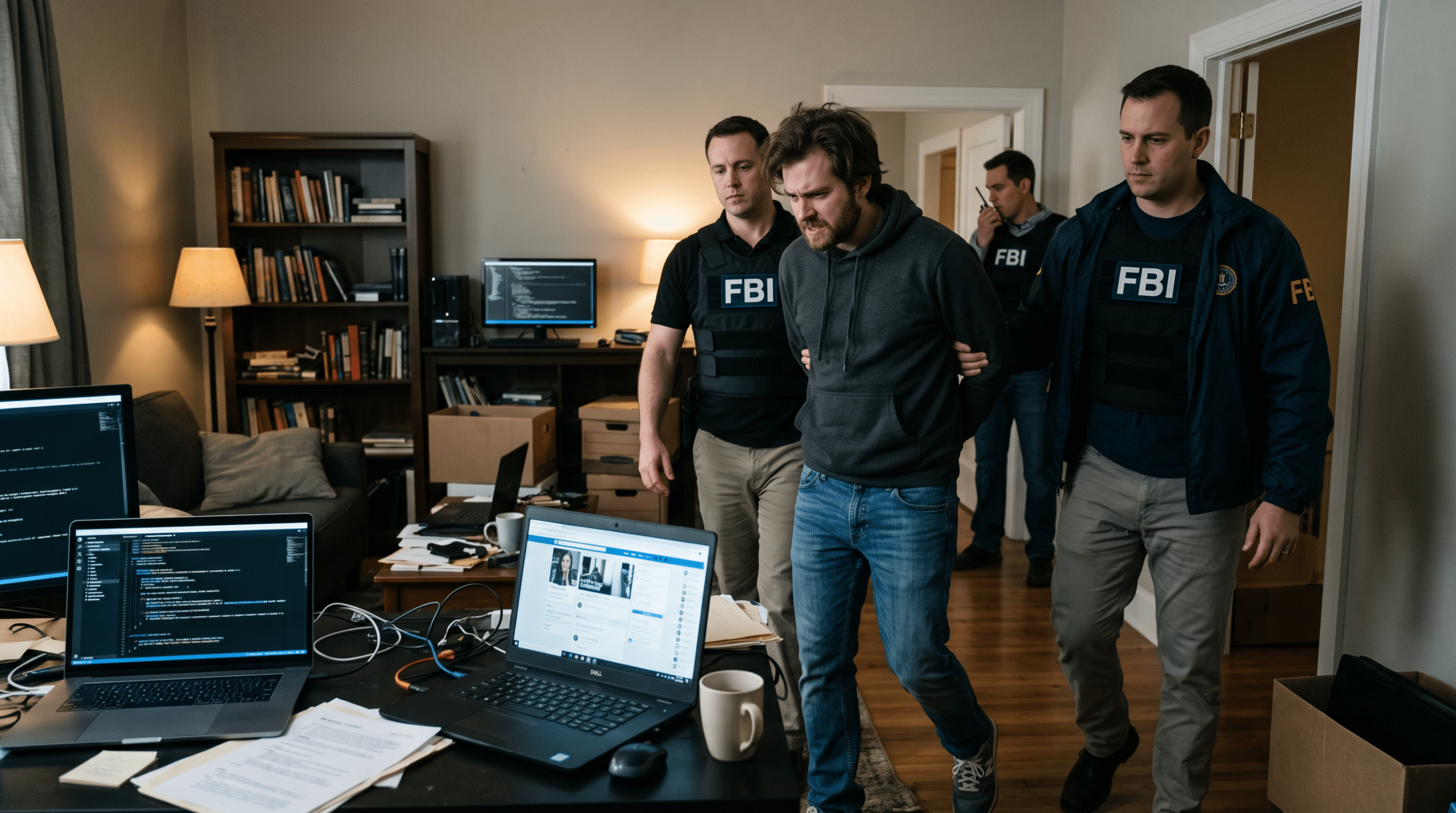
Cyberstalking charges can start with actions that someone thought were just online communication. Text messages, emails, social media posts, direct messages, tracking apps, fake accounts, shared photos, repeated calls, or online threats can all be used as evidence in a criminal case. If federal prosecutors get involved, the case becomes much more serious and may include interstate communications, digital records, federal agents, subpoenas, search warrants, and felony penalties.
In Colorado, the same actions can also lead to state charges for stalking, harassment, violating a protection order, or domestic violence-related offenses. We defend people in Boulder and the Denver area who are accused of serious online conduct, and we know these cases need quick action before digital evidence, statements, or assumptions shape the prosecution’s case.
What Is Federal Cyberstalking?
Federal cyberstalking is charged under 18 U.S.C. § 2261A. This law applies if prosecutors claim someone used mail, a computer service, electronic communication, or another interstate or foreign system with the required intent and caused, tried to cause, or was expected to cause serious emotional distress or fear of death or serious injury. Since internet platforms, phones, email, and social media often cross state lines, actions in Colorado can still become a federal case.
Federal prosecutors may focus on the pattern of Federal prosecutors look at the pattern of behavior, the words used, how many messages were sent, whether there were threats, if accounts were hidden, if the alleged victim blocked the sender, and if the accused kept contacting them anyway. One rude message is not the same as cyberstalking. The government must prove intent and meet all legal requirements.
Cyberstalking allegations often involve repeated electronic contact. This may include threatening messages, repeated unwanted texts, calls, emails, social media messages, fake accounts, public posts aimed at one person, GPS tracking, spyware, posting private information, sending unwanted explicit material, or contacting friends, family, employers, or coworkers of the alleged victim. Prosecutors may also look at whether the accused person used multiple numbers or platforms after being blocked.
The facts matter. Angry communication after a breakup, workplace conflict, custody dispute, business disagreement, or online argument does not automatically prove a federal crime. Still, digital communication can be easy to misread when presented out of context. We look at the full exchange, not just selected screenshots. We review who initiated contact, whether both sides communicated, whether threats were made, whether the alleged victim responded voluntarily, and whether the government can prove intent beyond a reasonable doubt.
Colorado Stalking Charges May Also Apply
Colorado stalking law is found at C.R.S. § 18-3-602. A person may be accused of stalking when prosecutors claim there was a credible threat combined with repeated following, approaching, contacting, placing under surveillance, or communication with a person, a member of that person’s immediate family, or someone with whom that person has a continuing relationship. The statute also covers repeated communication that would cause a reasonable person to suffer serious emotional distress, and that does cause serious emotional distress.
Colorado stalking is a serious charge. It may be filed as a felony, and the consequences can include jail or prison exposure, probation, treatment, protection orders, firearm issues, employment problems, and lasting record damage. Colorado courts may also impose strict bond conditions while the case is pending. These conditions may prevent direct or indirect contact, meaning a person may violate a court order by sending messages through another person, using a third-party account, or responding to the alleged victim when contact is prohibited.
Colorado Harassment And Electronic Communication
Colorado harassment law is found at C.R.S. § 18-9-111. The statute addresses certain forms of harassment, including communication by telephone, computer, computer network, or computer system in ways covered by the law. Depending on the facts, prosecutors may use this statute when the conduct involves repeated communications, obscene communications, threats, or other prohibited contact.
Harassment is often charged in cases involving text messages, calls, social media contact, or online disputes. It may also appear as a companion charge to stalking, domestic violence, violation of a protection order, or other allegations. We pay close attention to the exact language of the messages and the constitutional limits that protect speech. Offensive, emotional, or immature communication is not always criminal. The legal question is whether the prosecution can prove conduct that the statute actually prohibits.
Protection Orders Can Turn Contact Into A New Criminal Charge
Cyberstalking allegations often involve protection orders or no-contact orders. In Colorado, C.R.S. § 18-6-803.5 addresses violations of a protection order. If a court has ordered no contact, a message that might otherwise be argued as noncriminal can become a separate criminal allegation simply because contact occurred.
This is one of the most common ways people make a bad situation worse. They may send one apology, respond to a message, ask a friend to pass along information, like a post, use a new account, or try to explain themselves. If a protection order bars contact, those actions can create new charges. We advise clients to take every court order seriously, even when the other person reaches out first. A response can still create legal risk.
When Cyberstalking Is Connected To Domestic Violence
In Colorado, domestic violence is not usually a stand-alone charge. C.R.S. § 18-6-800.3 defines domestic violence as an act or threatened act of violence against a person with whom the accused has or had an intimate relationship, and it can also include certain crimes against property or animals when used as a method of coercion, control, punishment, intimidation, or revenge. If cyberstalking allegations arise from a dating relationship, marriage, former relationship, co-parenting conflict, or household situation, prosecutors may add a domestic violence designation.
That designation can affect bond conditions, treatment requirements, firearm restrictions, protection orders, and sentencing. It can also affect custody, parenting time, housing, employment, and immigration concerns. A few texts can become much more serious when the government claims the communication was part of intimidation, control, or retaliation.
Federal Penalties And Long-Term Consequences
Federal cyberstalking penalties can be severe. Under 18 U.S.C. § 2261A and related federal penalty provisions, punishment may increase when the conduct involves serious bodily injury, a weapon, death, a protection order, or certain aggravating circumstances. A federal conviction can lead to imprisonment, supervised release, fines, restitution, no-contact conditions, computer restrictions, and a permanent criminal record.
Even before conviction, the consequences can be harsh. Federal agents may seize phones, computers, tablets, cloud records, and online account data. Prosecutors may use search warrants, subpoenas, IP logs, location data, device extractions, platform records, and witness interviews. A person under investigation should not delete accounts, destroy devices, contact witnesses, or try to explain the matter directly to investigators. Those actions can create additional legal problems.
Defenses In Federal Cyberstalking And Colorado Stalking Cases
We defend these cases by testing the government’s evidence from the beginning. We review messages, metadata, account access, phone records, IP information, device ownership, witness statements, screenshots, police reports, warrants, and the full communication history. We look at whether the accused person sent the messages, whether the account was authenticated, whether messages were altered or incomplete, whether speech was protected, whether the alleged threat was credible, and whether the government can prove intent.
Some cases involve mutual communication, false allegations, hacked accounts, shared devices, exaggeration, missing context, or emotional conversations that do not meet the legal definition of stalking or cyberstalking. Other cases involve illegal searches, overbroad warrants, weak identification evidence, or improper interrogation. We work to protect the client’s record, freedom, reputation, and future.
FAQs About Federal Cyberstalking Charges
Can Text Messages Lead To Federal Cyberstalking Charges?
Yes. Text messages can become evidence in a federal cyberstalking case if prosecutors believe the messages meet the elements of 18 U.S.C. § 2261A. The government may argue that repeated texts, threats, unwanted contact, or messages sent after being blocked caused fear or substantial emotional distress. However, prosecutors must prove more than the fact that messages were sent. They must prove the required intent, the use of a covered communication system, and the required harm or expected harm. We review the full context, including prior conversations, responses, timing, tone, and whether the messages were selected in a misleading way.
Is Cyberstalking A Federal Crime If Everyone Lives In Colorado?
It can be. A case may become federal even if the people involved live in Colorado because phones, email, social media platforms, internet services, and electronic communication systems often use interstate facilities. Federal jurisdiction may depend on how the communication was sent, what tools were used, and whether the alleged conduct fits the federal statute. That does not mean every online dispute becomes federal. Many cases remain in Colorado state court under stalking, harassment, or protection order statutes. We examine whether federal jurisdiction is proper and whether prosecutors can prove each element.
Can Social Media Posts Be Used In A Cyberstalking Case?
Yes. Social media posts, comments, direct messages, tags, fake profiles, public accusations, shared images, and contact through third parties can all become evidence. Prosecutors may look at whether the posts were aimed at a specific person, whether threats were made, whether private information was shared, whether the alleged victim asked for contact to stop, and whether the accused person used new accounts after being blocked. A defense may focus on context, authorship, intent, protected speech, account access, and whether the posts actually caused or were reasonably expected to cause the harm required by law.
What Should I Do If Federal Agents Contact Me About Cyberstalking?
You should not try to explain your way out of the investigation without legal advice. Federal agents are trained to gather statements that may later be used in court. Even if you believe the allegation is false or exaggerated, a rushed explanation can create inconsistencies or admissions. Do not delete messages, close accounts, wipe devices, contact the alleged victim, or ask friends to intervene. Preserve evidence and speak with a defense attorney before making any statement. Early legal help may protect your rights before charges are filed.
Can A Protection Order Make A Cyberstalking Case Worse?
Yes. If a protection order or no-contact order exists, any contact can create additional criminal exposure. In Colorado, violation of a protection order is addressed under C.R.S. § 18-6-803.5. Contact may include texts, calls, emails, social media messages, third-party messages, new accounts, or indirect communication. A person can violate an order even when the alleged victim reaches out first. If there is a court order, do not respond until you have spoken with legal counsel and understand what the order allows.
Can Online Speech Be Protected By The First Amendment?
Some online speech is protected, but threats, stalking conduct, harassment, intimidation, and repeated unwanted contact may fall outside constitutional protection depending on the facts. The First Amendment does not give a person a free pass to threaten or stalk someone. At the same time, prosecutors cannot criminalize speech just because it is unpleasant, emotional, insulting, or unpopular. We analyze whether the government is treating protected speech as criminal conduct and whether the evidence proves the required intent and harm.
Call Watkins Law Firm LLC For Help With Cyberstalking Allegations
If you are under investigation for federal cyberstalking, Colorado stalking, harassment, violation of a protection order, or domestic violence-related online conduct, Watkins Law Firm LLC can help. These cases can affect your freedom, record, job, family, devices, and reputation. We defend clients in Boulder and throughout the Denver area against serious federal and Colorado criminal allegations, including digital communication cases, drug crimes, sex crime allegations, domestic violence cases, and other felony charges.
Contact our Boulder federal defense attorney by calling us 24/7 at 303-507-1324 for your free consultation. Our Boulder defense lawyer represents clients in Boulder and throughout the Denver area from our office location in Boulder, Colorado.
