
Do I Have To Run Away Before Defending Myself In Colorado?
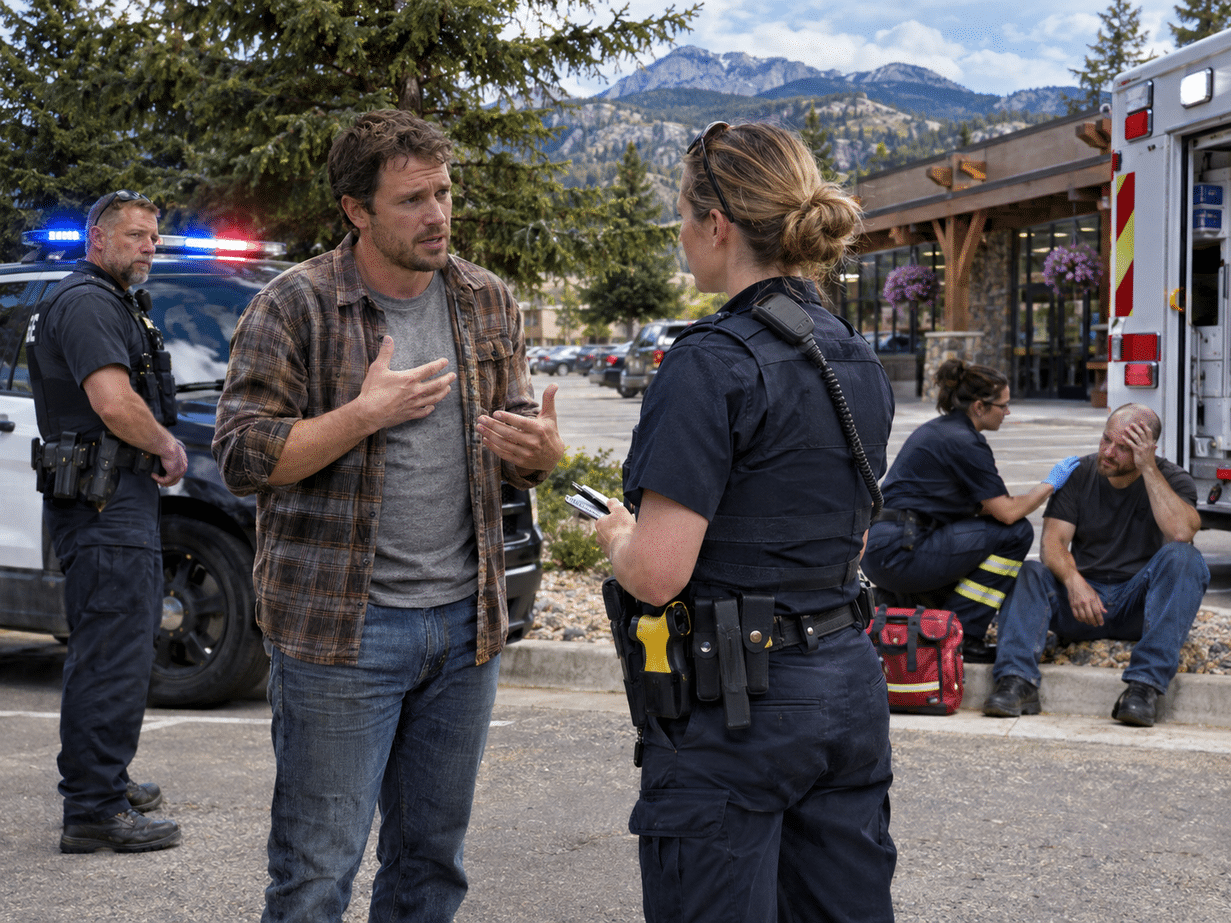
Being attacked or threatened with physical violence can force you to make a difficult decision in seconds. When someone approaches you aggressively, throws a punch, or threatens serious bodily harm, your first concern is protecting yourself. However, many Colorado residents are unsure whether they must attempt to escape before using physical force. Some believe that defending themselves instead of running away could result in criminal charges, even when the other person started the confrontation. Others mistakenly assume that any threat gives them the legal right to respond with whatever force they believe is necessary.
At Watkins Law Firm LLC, we defend clients in Boulder and throughout the Denver area who face assault, domestic violence, menacing, and other criminal charges arising from confrontations involving self-defense.
Colorado Law Generally Does Not Require You To Retreat Before Defending Yourself
Colorado recognizes the right to defend yourself against the use or imminent use of unlawful physical force. Under Colorado Revised Statutes § 18-1-704(1), a person may use physical force when they reasonably believe it is necessary to protect themselves or another person from unlawful physical force. The amount of force must also be reasonable under the circumstances.
Colorado generally does not require someone who is legally entitled to act in self-defense to retreat before using reasonable defensive force. This means you ordinarily do not have to run away from an attacker or attempt to escape before protecting yourself. However, the absence of a duty to retreat does not give you unlimited authority to use violence. The seriousness of the threat, your conduct before the confrontation, and the amount of force used are all important.
Colorado’s Stand Your Ground Rule And The Right To Self-Defense
Although Colorado does not have a separate statute officially titled the Stand Your Ground Law, its courts recognize the principle that a person who is not the initial aggressor generally has no legal obligation to retreat before defending themselves.
In People v. Toler, 9 P.3d 341 (Colo. 2000), the Colorado Supreme Court explained that a person who is otherwise entitled to use defensive force does not have to retreat simply because escape might be possible. The court also recognized that this protection is not limited to people defending themselves inside their homes.
The Colorado Supreme Court reaffirmed important aspects of this principle in People v. Monroe, 2020 CO 67. The decision addressed improper arguments suggesting that a defendant should have escaped rather than defended themselves. We consider these rulings when evaluating whether prosecutors are attempting to impose a retreat requirement that Colorado law does not recognize.
Reasonable Physical Force Is Required Under Colorado Criminal Law
The right to self-defense depends heavily on whether the force used was reasonably necessary. Under C.R.S. § 18-1-704, a person may defend against an actual or reasonably perceived imminent threat of unlawful physical force. The law does not require someone to wait until they are seriously injured before taking appropriate defensive action.
For example, a person confronted by someone who is attempting to punch or physically attack them may have grounds to use force to stop the assault. However, continuing to strike someone after the threat has ended may no longer qualify as self-defense.
We examine how the confrontation developed, whether the alleged attacker posed an immediate threat, and whether the response was proportionate to the danger. Witness accounts, surveillance footage, injuries, and statements made immediately after the incident may help establish what actually happened.
Deadly Force Has Much Stricter Legal Requirements
Colorado law treats deadly physical force differently from ordinary defensive force. Under C.R.S. § 18-1-704(2), deadly force is justified only when a person reasonably believes that a lesser degree of force is inadequate and additional statutory requirements are satisfied.
These circumstances include a reasonable belief that the person or someone else faces imminent death or great bodily injury. The statute also addresses certain situations involving burglary, kidnapping, robbery, sexual assault, and serious assault.
A verbal argument, insult, or minor physical confrontation does not automatically justify using a firearm or another form of deadly force. We review the actual threat and the circumstances surrounding the response when defending clients accused of serious assault or homicide.
Initial Aggressors Face Different Self-Defense Restrictions
Colorado law places important restrictions on people who initiate unlawful physical confrontations. Under C.R.S. § 18-1-704(3)(b), an initial aggressor generally cannot claim self-defense unless they withdraw from the encounter, effectively communicate their intention to withdraw, and the other person nevertheless continues or threatens unlawful physical force.
This distinction can determine whether someone has a valid self-defense argument. The person who starts a verbal disagreement is not necessarily the individual who legally initiated the physical confrontation. We investigate who first used or threatened imminent unlawful physical force and how the situation escalated.
Colorado law also limits self-defense claims when someone intentionally provokes unlawful force with the purpose of causing bodily injury or death, or participates in unauthorized combat by agreement.
Defending Yourself Inside Your Colorado Home
Colorado provides additional legal protections in certain situations involving unlawful entry into an occupied dwelling. C.R.S. § 18-1-704.5, commonly known as Colorado’s Make My Day law, permits an occupant to use physical force, including deadly force, when specific statutory conditions are satisfied.
The intruder must have unlawfully entered the dwelling. The occupant must reasonably believe the intruder committed, is committing, or intends to commit another crime against a person or property, and might use physical force against an occupant.
These protections do not automatically apply to every confrontation occurring near a residence. The location, circumstances of entry, perceived threat, and statutory requirements must be examined carefully.
Criminal Assault Charges Can Still Follow A Self-Defense Incident
Police may arrest someone for assault even when that person believes they acted lawfully in self-defense. Colorado assault offenses are addressed under C.R.S. §§ 18-3-202, 18-3-203, and 18-3-204, which establish first-, second-, and third-degree assault offenses.
A confrontation may involve conflicting witness statements, injuries to both people, incomplete surveillance footage, or inaccurate assumptions about who initiated the violence. The person who suffered the most visible injuries is not necessarily the person who was legally justified in using force.
We examine the prosecution’s evidence and investigate whether the alleged conduct was legally justified. When self-defense applies as an affirmative defense and is properly raised, prosecutors must disprove it beyond a reasonable doubt.
Building A Criminal Defense Based On Colorado’s Self-Defense Laws
A successful self-defense argument requires a careful examination of the evidence. We review police reports, body camera footage, surveillance recordings, emergency calls, photographs, medical records, text messages, and witness statements. We also investigate whether the alleged victim initiated the confrontation, threatened physical violence, possessed a weapon, or continued attacking after our client attempted to disengage.
Our goal is to determine whether Colorado law justified our client’s response and whether prosecutors can prove the criminal allegations. We also evaluate possible constitutional violations, unreliable witness accounts, and inconsistencies in the police investigation.
Frequently Asked Questions About Self-Defense In Colorado
Do I Have To Run Away If Someone Threatens Me In Colorado?
Colorado generally does not require someone who is otherwise legally entitled to defend themselves to retreat before using reasonable physical force. Under C.R.S. § 18-1-704, you may use defensive force when you reasonably believe another person is using or about to use unlawful physical force. However, the threat must justify the response. An insult or disagreement does not automatically permit physical violence. We examine whether the danger was imminent, whether your response was necessary, and whether you were the initial aggressor. These circumstances determine whether self-defense may protect you against criminal liability.
Can I Be Charged With Assault If The Other Person Attacked Me First?
Yes. Police may arrest you for assault even when the other person initiated the confrontation. Officers sometimes arrive after the incident and must rely on injuries, witness statements, and conflicting accounts. Under Colorado law, first-, second-, and third-degree assault charges carry different elements and potential penalties. We examine whether the evidence establishes that you were responding to unlawful physical force rather than committing an unlawful assault. Surveillance footage, witness testimony, medical records, and photographs may be particularly important. A self-defense claim can provide grounds to contest the charge when the statutory requirements are satisfied.
Can I Use A Firearm To Defend Myself In Colorado?
Colorado permits deadly physical force only under the circumstances described in C.R.S. § 18-1-704(2), or another applicable justification statute. You must reasonably believe lesser force would be inadequate and that a qualifying serious threat or criminal act exists. The law does not authorize deadly force simply because someone insults you, makes an offensive statement, or becomes argumentative. Even when another person initiates physical violence, the circumstances must justify the level of force used. We evaluate the perceived danger, available evidence, witness statements, and the accused person’s actions when examining firearm-related self-defense cases.
Does Colorado Require Me To Escape If I Have A Safe Way Out?
Colorado generally does not impose a legal duty to escape before using otherwise justified defensive force. The Colorado Supreme Court explained this principle in People v. Toler and People v. Monroe. The availability of an exit does not automatically defeat a self-defense claim. However, the absence of a duty to retreat does not eliminate the requirement that defensive force be legally justified. We consider the nature of the threat, whether force was reasonably necessary, and whether the person claiming self-defense initiated the unlawful physical confrontation. Each case must be evaluated according to its facts.
Can Self-Defense Apply To Domestic Violence Charges In Colorado?
Yes. Self-defense may apply when someone is accused of assault during a domestic violence incident. Colorado’s domestic violence provisions include C.R.S. § 18-6-800.3, while the general justification for self-defense is established under C.R.S. § 18-1-704. A person accused of domestic violence may have acted to protect themselves against unlawful physical force. However, these cases frequently involve conflicting statements, emotional circumstances, injuries, and disagreements about who started the confrontation. We review police recordings, medical records, photographs, witness accounts, and prior communications to determine whether the evidence supports a lawful self-defense argument.
Contact Watkins Law Firm LLC For Self-Defense And Assault Charges In Colorado
If you defended yourself during a confrontation and now face assault, domestic violence, menacing, or other criminal charges, Watkins Law Firm LLC can help. We understand that a confrontation lasting only seconds can lead to criminal accusations that threaten your freedom, employment, family relationships, and future. Our Boulder criminal defense attorneys represent clients accused of violent offenses and related crimes throughout Boulder and the Denver area.
Contact our Boulder criminal assault attorney by calling us 24/7 at 303-507-1324 for your free consultation. We will review the circumstances of your arrest, examine the available evidence, and work to protect your rights under Colorado law.
