
Can You Be Convicted Of DWAI In Colorado With A BAC Below 0.05%?
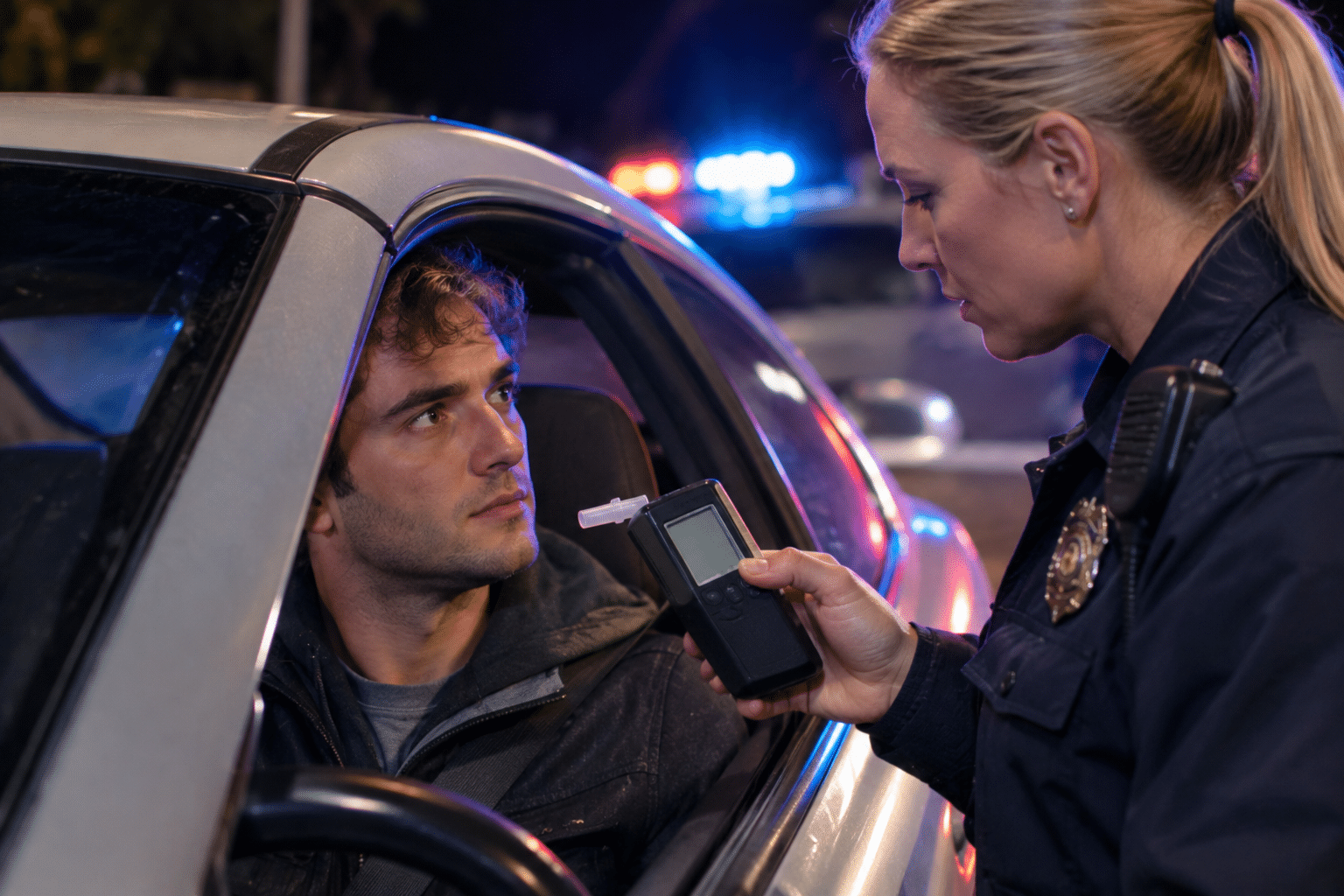
A blood alcohol concentration (BAC) below 0.05% might seem like strong evidence that a driver was not impaired. Still, Colorado law does not automatically prevent a DWAI conviction at this level. While the law gives drivers with a BAC of 0.05% or less a legal presumption in their favor, prosecutors can try to challenge this with other evidence. Police may look at driving behavior, roadside observations, field sobriety tests, and statements made during the stop. At Watkins Law Firm LLC, we know a DWAI conviction in Boulder can have serious consequences, even with a low BAC. We review the prosecution’s evidence closely to see if they can actually prove impairment beyond a reasonable doubt.
Understanding Colorado’s DWAI Law And The 0.05% BAC Presumption
Colorado Revised Statutes § 42-4-1301 sets the rules for DUI and DWAI offenses. DUI usually means alcohol or drugs have affected a person’s ability to drive safely to a significant degree. DWAI, on the other hand, means any impairment, even slight, that makes the driver less able than usual to use good judgment, control the vehicle, or drive with proper care.
Colorado law recognizes that a low BAC can be important evidence against claims of alcohol impairment. Under § 42-4-1301(6)(a)(I), a BAC of 0.05% or less means the law presumes the driver was not under the influence and that alcohol did not affect their ability to drive.
This presumption matters because prosecutors cannot use any amount of alcohol as proof of DWAI. However, this presumption can be challenged if more evidence is presented. We look at whether that evidence truly shows reduced driving ability or just reflects an officer’s opinion about normal behavior.
How Prosecutors Attempt to Prove DWAI Below 0.05%
If a driver’s BAC is below 0.05%, prosecutors often focus more on what happened during the traffic stop. Officers usually note any traffic violations, unusual driving, how the driver looked, spoke, moved, and how they did on field sobriety tests.
For example, an officer might say a driver crossed a lane line, had bloodshot eyes, or seemed unsteady getting out of the car. Prosecutors may claim these things show impairment, even with a low BAC. But there can be other reasons for these signs that have nothing to do with alcohol.
We look into whether things like road conditions, tiredness, anxiety, health issues, or the environment affected the driver’s actions. We also check if police gave the field sobriety tests correctly and wrote down their observations accurately. When there is a low BAC and questionable roadside evidence, there may be strong reasons to challenge the prosecution’s case.
The Difference Between a BAC Below 0.05% and a BAC Between 0.05% and 0.08%
Colorado law looks at different BAC ranges when deciding on impaired-driving cases. If a driver’s BAC is over 0.05% but under 0.08%, the law allows an inference that alcohol affected the driver’s ability to drive.
But this inference does not mean the driver is automatically guilty. Prosecutors still have to prove all parts of DWAI beyond a reasonable doubt, and the defense can show evidence that challenges the claim of impairment.
We pay close attention to cases with BAC results near 0.05%, since lab accuracy, testing methods, and when the sample was taken can matter a lot. A BAC of 0.04% can mean something very different from 0.06%. We review the full testing record instead of just accepting the reported number.
Colorado DWAI Penalties for First and Repeat Offenses
A first DWAI conviction is a misdemeanor in Colorado. Under Colorado Revised Statutes § 42-4-1307, a first offense usually means two to 180 days in jail, fines from $200 to $500, and 24 to 48 hours of public service. Probation, alcohol classes, treatment, and other court costs may also be required.
Penalties get worse if someone has previous alcohol-related driving convictions. A second offense usually means 10 to 364 days in jail, fines of $600 to $1,500, and 48 to 120 hours of public service. A third offense usually means 60 to 364 days in jail, with similar fines and service hours.
Colorado allows felony DUI or DWAI charges if the current offense comes after three or more qualifying prior convictions from separate incidents. We review past convictions, sentencing rules, and the details of the alleged offense, since even a low-BAC arrest can bring serious penalties for someone with a long driving record.
Driver’s License and Other Consequences of a DWAI Conviction
A first DWAI conviction usually adds eight points to a Colorado driver’s license. Since adult drivers can lose their license after getting 12 points in 12 months or 18 points in 24 months, these extra points can cause serious licensing issues.
We also look at what happens outside of court, like higher insurance costs, job restrictions, problems with professional licenses, and effects on commercial driving privileges. A DWAI conviction can still matter in future criminal cases, even after all penalties are finished.
A low BAC does not always remove other administrative consequences, like those from refusing a test or other issues. We look at both the criminal case and any driver’s license proceedings to find all possible consequences.
Legal Defenses Against a Low-BAC DWAI Charge
A successful DWAI defense requires examining the circumstances of the arrest rather than relying exclusively on the chemical test result. We investigate whether officers had reasonable suspicion for the traffic stop, probable cause for the arrest, and lawful grounds for obtaining chemical evidence.
We also look for other reasons for supposed impairment, like health problems, tiredness, bad road conditions, or mistakes in roadside testing. Videos can sometimes show big differences between what an officer wrote and how the driver actually acted.
When needed, we question the reliability of chemical tests, whether evidence can be used in court, and how the prosecution interprets the driver’s actions. Our goal is to see if the evidence meets Colorado’s legal standard for DWAI and if dismissal, reduced charges, or another good outcome is possible.
Frequently Asked Questions About Colorado DWAI Charges Below 0.05%
Can Police Arrest Me for DWAI if My BAC Is Only 0.03%?
Yes. Colorado police can arrest a driver for suspected DWAI if they have probable cause, even if a later test shows a BAC of 0.03%. But a BAC at or below 0.05% gives a legal presumption against alcohol impairment. We check if the officer had good reason for the arrest and if other evidence is strong enough to challenge that presumption. A low BAC can be important for the defense, especially if signs of impairment are inconsistent or not well documented. We also look at whether something other than alcohol could explain the driver’s behavior.
Can I Be Convicted of DWAI Without Failing a Breathalyzer Test?
Yes. A breathalyzer result is only one potential source of evidence in a Colorado impaired-driving prosecution. Prosecutors may introduce observations concerning driving behavior, physical coordination, speech, admissions, and properly obtained chemical testing results. We evaluate whether these observations demonstrate actual impairment and whether other circumstances reasonably explain the driver’s behavior. When the available breath test shows a BAC below 0.05%, we emphasize the statutory presumption favoring the defense. The prosecution must still establish guilt beyond a reasonable doubt, regardless of the officer’s initial suspicions.
Can Fatigue or Medical Conditions Be Mistaken for DWAI in Colorado?
Yes. Fatigue, anxiety, neurological conditions, diabetes-related complications, injuries, and certain medical conditions may produce physical symptoms resembling alcohol impairment. Officers sometimes interpret balance difficulties, unusual speech, confusion, or poor coordination as indications of intoxication without fully considering alternative causes. We investigate whether medical records, witness testimony, or video recordings support an explanation unrelated to alcohol. Field sobriety tests may also become less reliable when a driver has physical limitations or faces unfavorable testing conditions. These circumstances may create reasonable doubt about whether alcohol actually impaired the driver’s ability to operate a vehicle.
Will a First DWAI Conviction Automatically Suspend My Colorado Driver’s License?
A first DWAI conviction usually adds eight points to your Colorado driving record instead of causing an automatic license revocation like a first DUI. However, these points can still lead to a suspension if you have other violations during the same period. You might also face separate penalties if you refused chemical testing or in other situations. We check your full driving record, the reason for your arrest, and any DMV actions. Protecting your license means paying attention to both administrative rules and the criminal case.
Can I Receive Jail Time for DWAI With a BAC Below 0.05%?
Yes. The penalties for DWAI do not automatically go down just because your BAC was below 0.05%. For a first conviction, you could face two to 180 days in jail, though probation or other sentencing rules might change the outcome. If you have prior offenses, you could face mandatory jail time and much harsher penalties. We look at your past convictions, possible sentencing options, and any factors that might help your case. It is especially important to challenge the evidence early if you have previous alcohol-related driving offenses.
Can a Colorado DWAI Conviction Affect Future DUI Charges?
Yes. In Colorado, a DWAI conviction counts as a prior alcohol-related driving offense if you are later charged with DUI or DWAI. Having prior convictions can mean tougher penalties, like longer minimum jail sentences and even felony charges after enough offenses. We think about these long-term effects before advising clients on plea deals or other options. A first DWAI might seem minor compared to a DUI, but it can have serious consequences years later. Protecting your future legal position is always a key part of our defense strategy.
Fight a Low-BAC DWAI Charge With Watkins Law Firm LLC
A DWAI arrest involving a BAC below 0.05% deserves careful examination because Colorado law expressly recognizes a presumption that alcohol has not impaired a driver at that level. At Watkins Law Firm LLC, we examine chemical test results, police reports, field sobriety testing procedures, and available video evidence to identify weaknesses in the prosecution’s case. We understand the importance of protecting your driving privileges, criminal record, employment, and future opportunities.
From our office in Boulder, Colorado, we represent individuals facing DWAI, DUI, DUID, and other criminal charges throughout Boulder and the Denver metropolitan area. We evaluate the specific circumstances surrounding each arrest and develop defense strategies based on the evidence, constitutional protections, and applicable Colorado law.
Contact our Boulder DWAI lawyer by calling us 24/7 at 303-507-1324 for your free consultation. We can review your low-BAC DWAI arrest, explain the potential penalties, and discuss available options for contesting the charge or pursuing a favorable resolution.
