
Can You Be Charged With Sexual Assault Based on Allegations From Years Ago in Colorado?
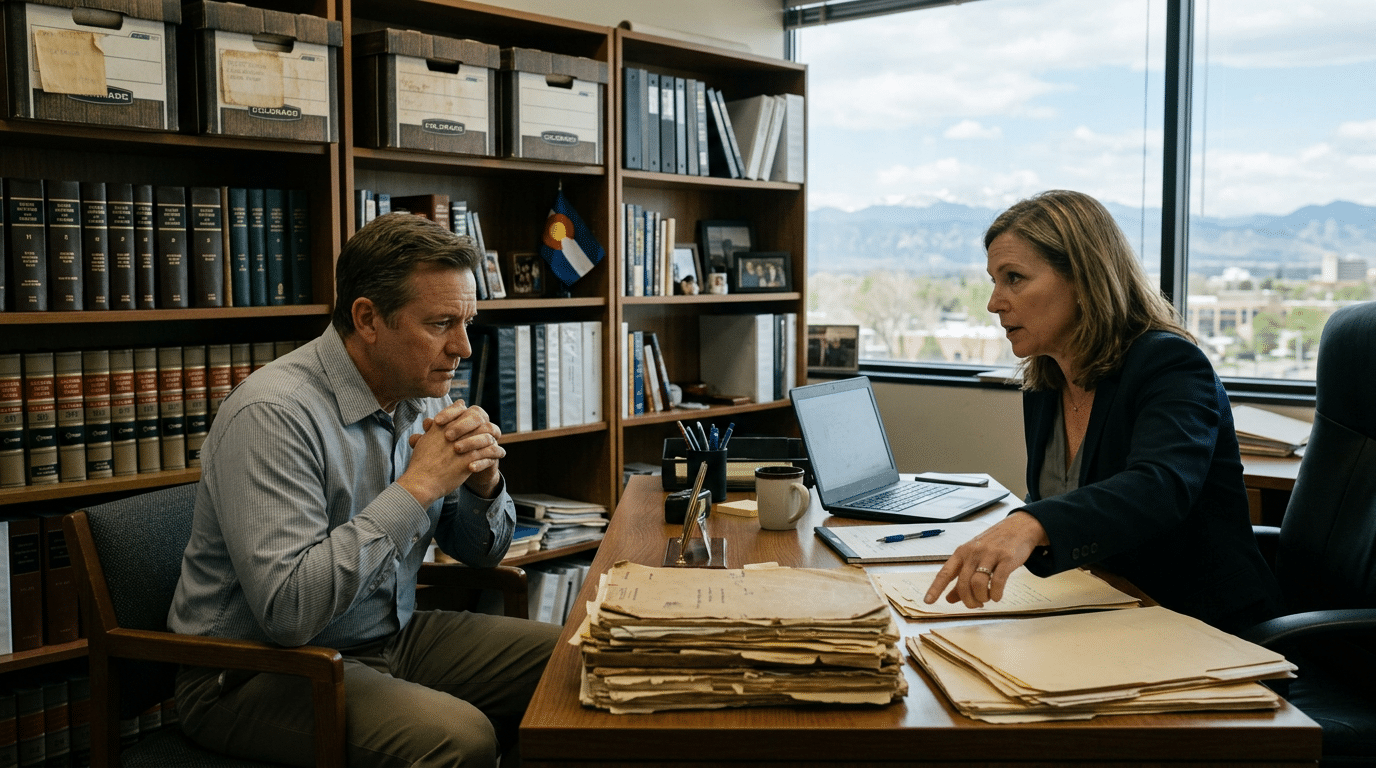
Being accused of sexual assault is always serious, but it can feel even more overwhelming if the allegation is about something that happened years or decades ago. We know it’s hard to defend yourself against claims about events you may barely remember. You may not have spoken to the accuser in years, or you might have thought a past relationship ended without any problems. Then, out of nowhere, you find out that someone has reported you to the police for sexual misconduct.
In Boulder, some sexual assault charges can be filed no matter how much time has passed. At Watkins Law Firm LLC, we help people in Boulder and the Denver area who are facing sexual assault allegations, including those involving incidents from long ago.
Can You Face Sexual Assault Charges Years After the Alleged Incident?
In Colorado, prosecutors can sometimes bring sexual assault charges even if the incident happened many years ago. Whether they can do this depends on the specific offense, when it happened, and the statute of limitations for that crime.
Under Colorado Revised Statutes § 16-5-401, certain felony sexual offenses are not subject to a criminal statute of limitations. This means prosecutors may have authority to pursue qualifying allegations long after the alleged incident occurred.
Colorado’s laws about how long prosecutors have to file charges have changed over the years. It’s important to know whether an offense never had a deadline, if the deadline was extended, or if the time limit had already run out before the law changed.
We look closely at these differences when defending clients accused of sexual misconduct from years ago. Usually, if the deadline to file charges has already passed, a change in the law cannot bring those charges back. That’s why the date of the alleged offense matters so much.
Understanding Colorado’s Statute of Limitations for Sexual Assault
The statute of limitations determines how long prosecutors have to initiate criminal proceedings after an alleged offense. Colorado has eliminated criminal filing deadlines for several serious sexual offenses, including qualifying offenses under C.R.S. § 18-3-402, which governs sexual assault.
Other provisions address sexual assault on a child under C.R.S. § 18-3-405 and sexual assault on a child by one in a position of trust under C.R.S. § 18-3-405.3. The applicable limitations rules depend on the specific charge and the law governing the alleged conduct.
When reviewing allegations involving incidents from ten, twenty, or thirty years earlier, we examine the statutory provisions in effect when the alleged offense occurred. We also determine whether subsequent amendments apply and whether any legally recognized circumstances affected the running of the limitations period.
These questions can become central to the defense. If prosecutors file charges after an applicable limitations period has expired, we may have grounds to seek dismissal before the case proceeds to trial.
What Evidence Can Prosecutors Use in an Older Sexual Assault Case?
Sexual assault prosecutions involving older allegations frequently present evidentiary challenges. Physical evidence may have been lost or destroyed, potential witnesses may no longer be available, and electronic communications may have disappeared years earlier.
Prosecutors may rely on the accuser’s testimony, statements allegedly made to friends or relatives, historical communications, photographs, or other evidence concerning the relationship between the parties. Depending on the circumstances, investigators may also examine employment records, travel information, or statements made during police interviews.
Under C.R.S. § 18-3-402, prosecutors must establish the statutory elements of the particular sexual assault offense charged. The existence of an allegation does not relieve the prosecution of its responsibility to prove guilt beyond a reasonable doubt.
We investigate whether the available evidence supports the accusations, whether witness accounts have changed, and whether important information contradicts the prosecution’s allegations. We also examine whether the evidence satisfies Colorado’s rules governing admissibility and reliability.
Can Someone Be Convicted of Sexual Assault Without Physical Evidence?
Colorado law does not require prosecutors to present DNA evidence, medical records, or independent eyewitness testimony in every sexual assault case. A conviction may be based primarily on witness testimony if the jury concludes that the admissible evidence proves every element of the offense beyond a reasonable doubt.
However, testimony is not immune from scrutiny simply because an allegation involves sexual misconduct. We examine prior statements, inconsistencies, the circumstances surrounding the accusation, and evidence that may support or contradict the witness’s account.
Colorado Rules of Evidence 401, 402, and 403 address the relevance and admissibility of evidence. Other rules govern hearsay, witness testimony, and evidence involving prior sexual conduct. Under C.R.S. § 18-3-407, Colorado also places important restrictions on the admissibility of certain evidence concerning an alleged victim’s sexual history.
We evaluate these evidentiary rules when determining how to challenge the prosecution’s case while protecting our client’s constitutional rights.
How Does the Passage of Time Affect Your Defense?
One of the greatest difficulties in defending against an old sexual assault allegation is reconstructing what happened. Memories change, records disappear, and witnesses may have difficulty recalling conversations or circumstances from many years earlier.
For example, an accusation involving a social gathering fifteen years ago may depend heavily on conflicting recollections. The people who attended may no longer remember who was present, when individuals arrived, or what happened afterward. Messages that could have clarified the circumstances may have been deleted long ago.
We investigate whether records, photographs, financial transactions, or other independent evidence can help establish an accurate timeline. We also consider whether investigative delays have caused legally significant prejudice to the defense.
Although a lengthy delay does not automatically violate constitutional protections, certain government-caused delays may raise due process concerns. We evaluate whether the circumstances support a legal challenge rather than assuming that an old allegation must be dismissed.
What Are the Penalties for Sexual Assault in Colorado?
Sexual assault convictions can result in substantial prison sentences, sex offender registration, and long-term restrictions affecting employment, housing, and personal relationships. The potential penalties depend on the specific offense, felony classification, aggravating circumstances, and sentencing laws applicable to the conduct.
Under C.R.S. § 18-3-402, sexual assault can constitute a class 4 felony or a more serious felony depending on the statutory circumstances. Certain convictions may also be subject to Colorado’s indeterminate sentencing provisions under C.R.S. § 18-1.3-1004.
Colorado’s Sex Offender Registration Act, including C.R.S. § 16-22-103, establishes registration obligations for qualifying convictions. These requirements can create significant consequences long after a criminal sentence has been completed.
We examine the allegations, applicable sentencing provisions, and potential collateral consequences when advising clients about their defense options.
What Should You Do If Police Contact You About an Old Sexual Assault Allegation?
If investigators contact you about an alleged sexual assault from years earlier, we recommend consulting a criminal defense attorney before answering questions. Even when you believe the accusation is completely false, an interview can create additional problems if you mistakenly recall dates, conversations, or other details.
You have constitutional protections against compelled self-incrimination. We can communicate with investigators, assess whether charges have been filed, and determine whether the applicable statute of limitations presents a potential defense.
We also recommend preserving old messages, photographs, records, and other potentially relevant evidence. Avoid contacting the accuser to discuss the allegations or attempting to influence witnesses, since those actions could create additional legal concerns.
Early representation allows us to begin investigating while potentially important evidence remains available.
Frequently Asked Questions About Sexual Assault Allegations From Years Ago in Colorado
Can Someone Accuse Me of Sexual Assault 20 Years Later in Colorado?
Yes. Someone can report an alleged sexual assault to law enforcement twenty years after the incident supposedly occurred. However, whether prosecutors can legally file criminal charges depends on the specific offense, the alleged incident date, and the applicable statute of limitations.
Under C.R.S. § 16-5-401, certain serious sexual offenses have no criminal filing deadline. Nevertheless, changes to the statute generally cannot revive charges that were already time-barred. We review the relevant statutory history to determine whether prosecution remains legally permissible and whether a motion to dismiss may be appropriate.
Can I Be Arrested for Sexual Assault Based Only on Someone’s Statement?
Yes. Police may have probable cause to make an arrest based on an accuser’s statement, even without DNA evidence, medical documentation, or independent eyewitness testimony. Whether the statement establishes probable cause depends on its contents and the surrounding circumstances.
However, probable cause is not the same as proof beyond a reasonable doubt. We examine the evidence supporting an arrest, investigate inconsistencies, and evaluate whether investigators overlooked information that contradicts the accusation. An arrest does not establish that the accused person committed a crime.
What Happens if I Cannot Remember an Incident From Years Ago?
We understand that remembering the details of an encounter from ten or twenty years earlier may be extremely difficult. An inability to remember an event does not establish guilt, and prosecutors still carry the burden of proving every element of the charged offense beyond a reasonable doubt.
We may investigate employment records, travel histories, financial transactions, photographs, electronic communications, and witness accounts to help reconstruct the relevant circumstances. Even when personal recollections are incomplete, independent evidence may help establish where you were, who was present, and what occurred.
Can Sexual Assault Charges Be Dismissed Because the Accuser Waited Years to Report the Incident?
A delayed report does not automatically justify dismissing sexual assault charges. Colorado law does not require every alleged victim to report an incident immediately, and prosecutors may pursue qualifying offenses years later when the applicable statute of limitations permits prosecution.
However, we examine whether the filing deadline expired and whether government-caused investigative delays violated constitutional protections. We also investigate how the passage of time affected witness recollections and the availability of evidence. These circumstances may become important when challenging the prosecution’s allegations.
Can Old Text Messages or Social Media Posts Be Used as Evidence?
Yes. Prosecutors may introduce historical text messages, emails, photographs, or social media communications when the evidence satisfies applicable Colorado evidentiary requirements. These records may be used to establish relationships, timelines, statements, or circumstances surrounding the alleged incident.
Under Colorado Rule of Evidence 901, evidence generally must be properly authenticated before admission. We examine whether electronic communications are complete, whether their authorship can be established, and whether statements have been taken out of context. We also investigate whether preserved communications contain information favorable to the defense.
Defending Against Old Sexual Assault Allegations in Boulder, Colorado
At Watkins Law Firm LLC, we understand that sexual assault allegations involving events from years ago can create serious uncertainty about your future. Criminal accusations can affect your employment, professional reputation, family relationships, and freedom long before a case reaches trial.
We represent individuals accused of sexual assault and other serious criminal offenses in Boulder and throughout the Denver metropolitan area. When defending against allegations involving older incidents, we carefully examine Colorado’s criminal statutes of limitations, review the prosecution’s evidence, investigate potential inconsistencies, and identify legal issues that may affect the case.
We recognize that defending against allegations from the distant past requires careful attention to historical records, witness recollections, and the criminal laws applicable when the alleged conduct occurred. Our objective is to protect your constitutional rights and develop a defense based on the facts and evidence.
If you are under investigation or facing sexual assault charges involving allegations from years ago, we encourage you to obtain legal representation before discussing the matter with investigators. We can review the circumstances, explain the criminal charges and potential penalties, and discuss the defense options available under Colorado law. Contact our Boulder defense attorney by calling us 24/7 at 303-507-1324 for your free consultation.
