
Can Self-Defense Beat An Assault Charge In Colorado?
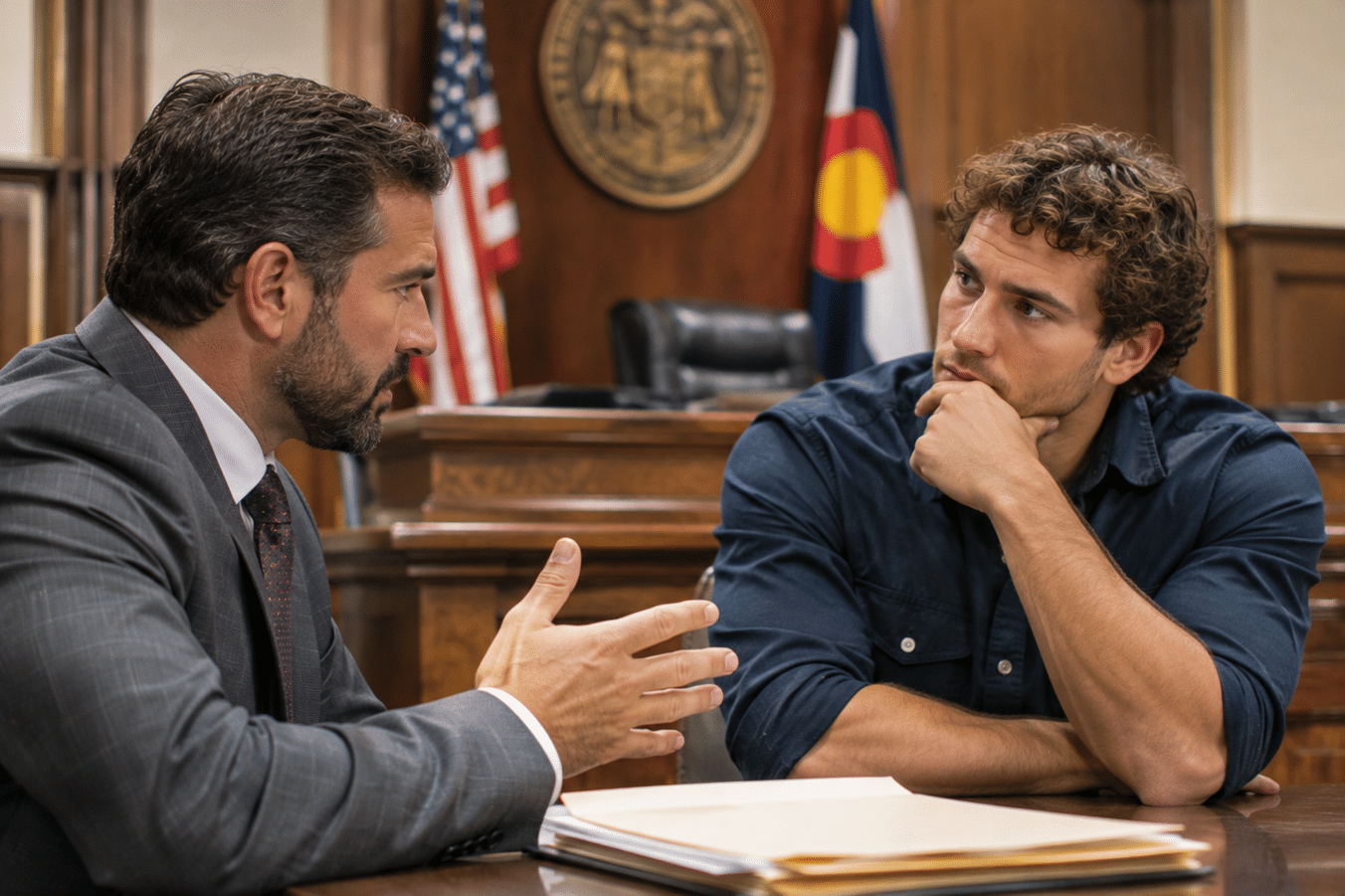
If an argument turns physical, you could be arrested for assault, even if you were just trying to protect yourself. In Boulder and across Colorado, police often arrive after things have calmed down and have to piece together what happened from injuries, witness statements, and different stories. The person who calls 911 first is not always the one who acted within the law. You might be arrested even if someone else threatened you, hit you first, or made you defend yourself. A conviction can put your freedom, job, reputation, and future at risk. At Watkins Law Firm LLC, we help people accused of assault and look closely at whether their actions were legally justified under Colorado’s self-defense laws.
Colorado Law Recognizes The Right To Defend Yourself
Colorado Revised Statutes § 18-1-704 establishes when a person may lawfully use physical force in self-defense or defense of another person. The statute generally permits reasonable force when someone reasonably believes another person is using, or is about to use, unlawful physical force against them. The force used must be reasonably believed necessary to prevent or stop the threatened harm.
This protection is important because being accused of assault does not mean you actually committed a crime. We look at whether you faced an immediate threat, if your response was reasonable, and if the other person’s actions justified what you did. You do not always have to wait until someone hits you to defend yourself. But a general fear, a verbal insult, or a threat about something that might happen in the future does not automatically make it okay to use force.
Self-Defense May Apply To Different Colorado Assault Charges
Colorado recognizes several degrees of assault. Third-degree assault under C.R.S. § 18-3-204 generally involves knowingly or recklessly causing bodily injury, or causing bodily injury through criminal negligence with a deadly weapon. Second-degree assault under C.R.S. § 18-3-203 includes several forms of more serious conduct, including intentionally causing bodily injury with a deadly weapon. First-degree assault under C.R.S. § 18-3-202 includes certain allegations involving serious bodily injury, deadly weapons, or extreme indifference.
The seriousness of the charge affects the potential criminal penalties, but a felony accusation does not automatically eliminate self-defense. We investigate whether the prosecution can establish the required criminal conduct and whether the evidence supports legally justified force. A punch thrown to stop an ongoing attack may involve very different legal considerations from a continued assault after the immediate danger has ended.
The Amount Of Force Used Matters
One of the central questions in a Colorado self-defense case is whether the force was reasonably necessary. C.R.S. § 18-1-704 distinguishes ordinary physical force from deadly physical force. A person may use reasonable nondeadly force to defend against unlawful physical force, but deadly force requires substantially greater justification.
Under C.R.S. § 18-1-704(2), deadly force may be justified only when the person reasonably believes lesser force is inadequate and one of the statute’s additional conditions is satisfied. Those circumstances include a reasonable belief that the person or another individual faces imminent death or great bodily injury, along with certain serious criminal threats identified in the statute.
We closely examine whether the response matched the danger reasonably perceived at the time. Using force to stop an attack is legally different from using force to punish someone after the threat has passed.
Self-Defense When The Other Person Started The Fight
Many assault cases begin with conflicting accusations about who started the confrontation. Colorado law generally limits self-defense when a person intentionally provokes unlawful force to cause injury or becomes the initial aggressor. Under C.R.S. § 18-1-704(3), an initial aggressor may regain the right to self-defense by withdrawing from the encounter, effectively communicating that withdrawal, and then facing continued or threatened unlawful force.
However, being the first person to argue, raise your voice, or exchange insults does not automatically mean you were the initial aggressor. Colorado courts distinguish verbal confrontations from initiating a physical conflict through unlawful force or its imminent threat. We examine the sequence of events carefully because the first few seconds of a confrontation may determine whether self-defense applies.
Colorado Does Not Generally Require Retreat Before Self-Defense
Colorado generally does not impose a duty to retreat on someone who is otherwise legally entitled to defend themselves. This principle is important when prosecutors argue that you could have walked away instead of responding to an attack. Colorado courts have recognized that an innocent person facing unlawful physical force is not ordinarily required to retreat before exercising lawful self-defense.
Nevertheless, the absence of a general duty to retreat does not authorize unnecessary or excessive force. The circumstances must still support a reasonable belief that defensive action was needed. Initial aggressor situations also involve separate statutory limitations. We review whether you were trapped, pursued, threatened, surrounded, or physically attacked when deciding how this legal principle applies.
Evidence That Can Establish Self-Defense
Self-defense cases often depend on evidence collected immediately after the incident. Surveillance footage, cellphone recordings, photographs of injuries, witness statements, emergency calls, medical records, and police body camera footage may reveal details missing from the initial police report. A witness may confirm that the alleged victim made threats, approached aggressively, or delivered the first blow.
We also examine whether the police investigated both sides of the confrontation. Injuries on your hands, face, arms, or body may support your account, although the injuries must be considered alongside the remaining evidence. In Boulder bar fights, apartment disputes, workplace confrontations, and domestic incidents, video recordings and independent witnesses can be particularly important. Preserving evidence before footage is overwritten or witnesses become difficult to locate may significantly strengthen the defense.
Prosecutors May Have To Disprove Self-Defense Beyond A Reasonable Doubt
Under C.R.S. § 18-1-407, when sufficient evidence raises an affirmative defense, prosecutors must establish guilt beyond a reasonable doubt, including disproving that defense. Colorado courts have recognized self-defense as an affirmative defense in appropriate intentional assault cases. This means a properly supported self-defense claim can become an important part of the prosecution’s burden at trial.
There is an important distinction for some assault charges based on reckless or criminally negligent conduct. Under C.R.S. § 18-1-704(4), self-defense evidence may be considered when evaluating the required mental state without necessarily becoming an affirmative defense that prosecutors must separately disprove. We review the precise charge and applicable jury instructions before determining how self-defense should be presented.
How We Build A Colorado Assault Defense
At Watkins Law Firm LLC, we examine the entire confrontation rather than accepting the initial accusation as an accurate account. We review police reports, identify witnesses, obtain available recordings, investigate injuries, and determine whether the evidence supports lawful self-defense. We also consider whether mistaken identification, conflicting statements, unreliable testimony, or incomplete police investigations weaken the prosecution’s case.
We understand that even an assault charge without a conviction can disrupt employment, professional licensing, family relationships, and daily life. We work to protect your rights, challenge unsupported allegations, and pursue dismissal, acquittal, or another favorable resolution when the facts and law support it.
Frequently Asked Questions About Self-Defense And Assault Charges In Colorado
Can I Claim Self-Defense If I Hit Someone First In Colorado?
Yes, in some circumstances. Colorado law does not require you to wait until someone physically strikes you before using reasonable defensive force. Under C.R.S. § 18-1-704, you may defend yourself against what you reasonably believe is the imminent use of unlawful physical force. However, the perceived threat must justify your response. If you were the initial aggressor, different restrictions apply. We examine threatening movements, physical proximity, statements, witness accounts, and whether the other person appeared ready to attack. The specific sequence of events is usually more important than simply determining who made physical contact first.
Can I Use Self-Defense Against A Domestic Violence Assault Charge?
Yes. Self-defense may apply when an assault occurs between spouses, dating partners, former partners, or other people covered by Colorado’s domestic violence laws. An allegation involving an intimate relationship does not eliminate your right to protect yourself from unlawful physical force. However, domestic violence cases can involve mandatory protection orders, restrictions on communication, and complicated witness testimony. We examine whether the accused person was defending against an immediate threat rather than initiating unlawful violence. We also review whether police documented injuries, prior threats, witness accounts, and evidence from both parties before making the arrest.
Can I Claim Self-Defense If The Other Person Was Not Injured?
Yes. Not causing an injury does not automatically stop you from claiming self-defense, but it can affect the charges and the evidence. Colorado assault laws have different rules about bodily injury, intent, and weapon use. We start by looking at whether prosecutors can prove the charge. Next, we consider if any physical contact was reasonably needed to stop unlawful force. For example, pushing someone away to stop an attack is different from hitting someone after the fight is over. The facts must support your defense under Colorado law.
Can Self-Defense Get A Felony Assault Charge Dismissed In Colorado?
Yes, self-defense can provide grounds to challenge a felony assault allegation and may ultimately support dismissal or acquittal. However, dismissal is not automatic simply because you tell police that the other person attacked first. Prosecutors may dispute whether the threat was imminent, whether you used excessive force, or whether you initiated the confrontation. We examine surveillance recordings, medical evidence, witness testimony, and police findings to determine whether the case can be challenged before trial. When the evidence supports a legally recognized affirmative defense, prosecutors may face substantial difficulties proving the charge beyond a reasonable doubt.
Contact Watkins Law Firm LLC For Your Free Colorado Assault Defense Consultation
If you were arrested for assault after defending yourself or another person, you may have a valid defense under Colorado law. A conviction can result in jail or prison, probation, fines, employment difficulties, and lasting damage to your criminal record. We understand that police reports do not always tell the entire story, particularly when officers arrive after a confrontation and rely on conflicting statements.
At Watkins Law Firm LLC, we defend clients accused of misdemeanor assault, felony assault, domestic violence-related assault, and other serious criminal offenses. We examine the evidence, challenge unsupported accusations, and work to protect your freedom and future.
Contact our Boulder assault defense attorney by calling us 24/7 at 303-507-1324 for your free consultation. Our Boulder criminal defense lawyers represent clients in Boulder, throughout Boulder County, and across the Denver area from our office locations in Boulder, Colorado. We can review your assault allegations, explain how Colorado’s self-defense laws may apply, and discuss your available legal options.
