
Can A Medical Condition Be Mistaken For DUI In Colorado?
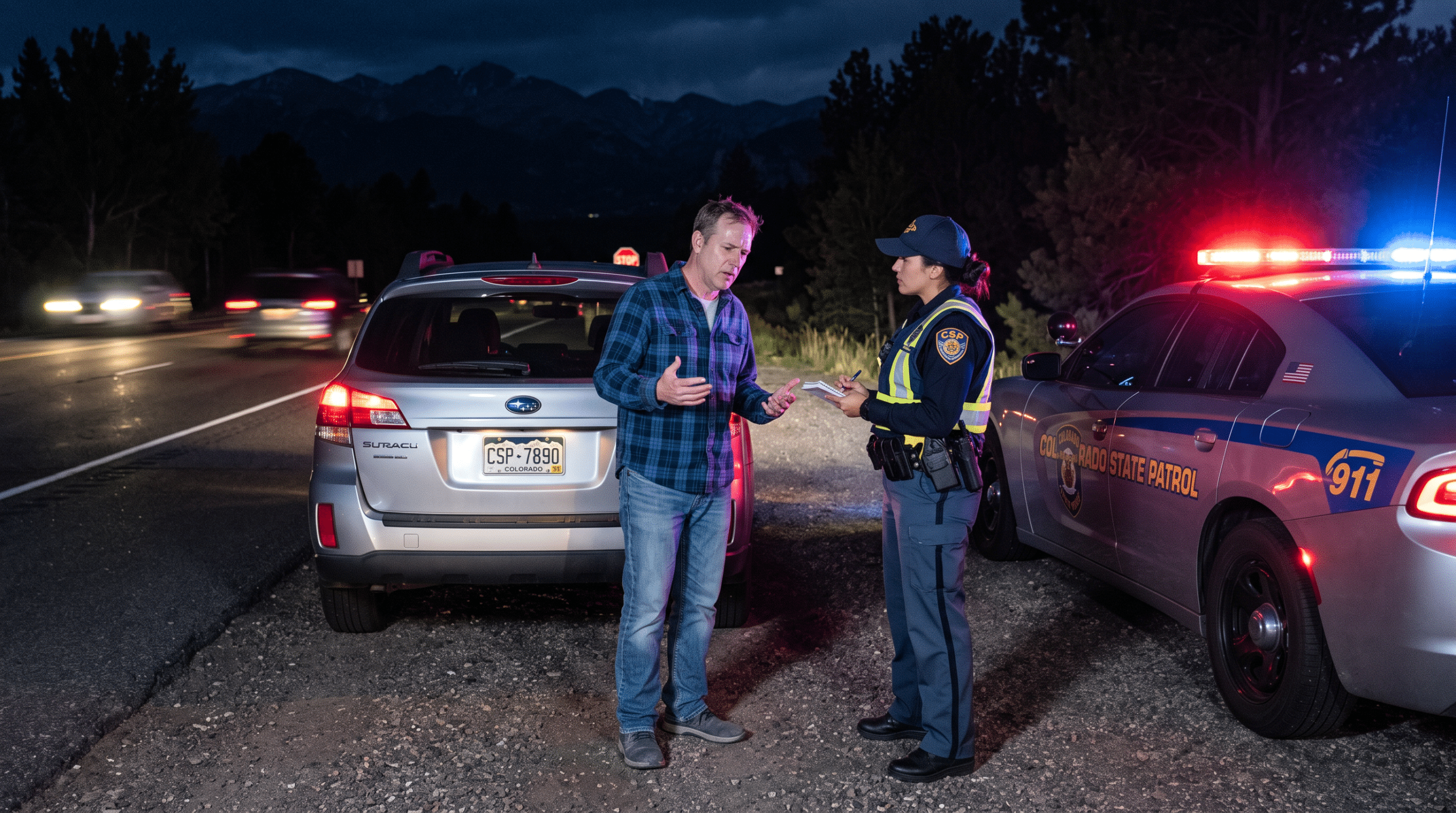
Sometimes, a medical condition can look like impairment during a Colorado DUI stop. Signs like slurred speech, balance issues, red eyes, confusion, fatigue, unusual movements, or slow responses might lead an officer to suspect alcohol or drug use, even if something else is going on. We understand how quickly a driver needing medical help can be accused of DUI, DWAI, or DUID. Colorado law lets prosecutors pursue DUI cases involving alcohol, drugs, or both, but they still have to prove impairment or excessive alcohol content. If a medical condition explains the signs police noticed, that evidence can be a key part of your defense. At Watkins Law Firm LLC, we help clients in Boulder and the Denver area when police mistake medical symptoms for criminal impairment.
Colorado DUI And DWAI Law
Colorado DUI and DWAI charges are governed by C.R.S. § 42-4-1301. A person may be charged with DUI if the prosecution claims alcohol, drugs, or a combination of alcohol and drugs made the person substantially incapable of exercising clear judgment, sufficient physical control, or due care in the safe operation of a vehicle. A person may be charged with DWAI if the prosecution claims the person was affected to the slightest degree so that the person was less able than usual to drive safely.
Colorado also has DUI per se laws, which apply when someone drives with a blood alcohol content of 0.08 or higher at the time of driving or within two hours after. These legal definitions are important because a medical condition can challenge how an officer interprets signs of impairment. Someone might appear unsteady, tired, confused, or physically limited for reasons unrelated to alcohol or illegal drugs.
Medical Conditions That May Look Like Impairment
Many medical issues can look like the signs officers often describe in DUI reports. Conditions such as diabetes, low blood sugar, neurological disorders, past strokes, head injuries, seizures, inner ear problems, migraines, anxiety or panic attacks, fatigue, sleep disorders, eye conditions, orthopedic injuries, balance disorders, and medication side effects can all affect how someone appears, speaks, moves, or behaves.
Field sobriety tests are often unreliable for people with medical issues. For example, a driver with back pain, leg injuries, neuropathy, vertigo, arthritis, or balance problems might have trouble with the walk-and-turn or one-leg stand tests. Someone with eye conditions, fatigue, neurological problems, or certain medications might show unusual eye movements or have trouble following instructions. These details are important because officers might assume poor performance means impairment, even when the test was not fair from the beginning.
Why Officers May Misread Medical Symptoms
DUI investigations usually start with quick observations. An officer might say the driver had bloodshot eyes, slow speech, poor balance, confusion, or trouble answering questions. These details can sound serious in a police report, but they do not always show the whole picture. A driver might just be tired after work, nervous during the stop, recovering from an injury, having a medical episode, or reacting to the stress of flashing lights and police presence.
We carefully review what the officer noticed and what they might have missed. Did the driver mention a medical condition? Did the officer ask about injuries before giving field sobriety tests? Did body camera footage show the driver was alert and coherent? Were any emergency medical issues addressed? Did the officer jump to conclusions about impairment without looking at other possible reasons? These questions are important in court because DUI cases often rely on the officer’s interpretation.
Prescription Medication And DUID Allegations
Medical conditions can also overlap with prescription medication. Colorado law permits DUI and DWAI charges based on drugs, including lawfully prescribed medication, if prosecutors claim the medication impaired safe driving. C.R.S. § 42-4-1301 makes clear that being legally entitled to use a drug is not automatically a defense if the prosecution can prove impairment.
This does not mean that everyone who takes medication is guilty of DUID. The prosecution still has to prove that the medication affected the person’s ability to drive safely. Sometimes, medication can show up in a blood test without actually causing impairment at the time of driving. Factors like dosage, timing, tolerance, side effects, medical need, drug interactions, and actual driving behavior all matter. We often look at medical records, prescription history, toxicology reports, officer observations, and whether the symptoms match impairment or the person’s medical condition.
Chemical Tests Do Not Always End The Case
Breath or blood tests can be important evidence, but they do not always answer every question. A breath test checks for alcohol, not for medical reasons behind someone’s behavior. A blood test might show a drug is present, but that does not always mean the person was impaired. Sometimes, a medical condition explains what police thought was intoxication.
Colorado’s Express Consent law and DMV process can create urgent license problems after a DUI arrest. Under C.R.S. § 42-2-126, a driver might lose their license after a high BAC result or a refusal. The Colorado DMV says the license revocation process is separate from the criminal court case. This means you may have to fight both the criminal charge and the license case. A strong medical explanation can help in the criminal case, the DMV hearing, or both, depending on the situation.
How Medical Evidence Can Help The Defense
Medical evidence can change how a DUI case is seen. Records might show a documented condition that affects balance, speech, vision, coordination, thinking, or movement. Treatment records could show recent surgery, injury, illness, neurological symptoms, anxiety, diabetes, seizures, or other facts that explain what the officer noticed. Pharmacy records might show legal medication use. Witnesses can confirm that the driver’s speech, walk, or appearance was normal for them.
We also compare the police report with body camera footage. Officers sometimes use standard DUI language that sounds worse than what the video shows. For example, a report might say the driver was confused, but the video could show clear answers. A report might say the driver was unsteady, but the video might reveal uneven ground, poor footwear, traffic noise, cold weather, or medical issues. These details can be important when challenging the prosecution’s claims.
Defenses In A Medical Condition DUI Case
Defenses depend on the facts of each case. We might challenge the stop, the arrest, field sobriety tests, chemical tests, drug recognition opinions, officer assumptions, or the prosecution’s proof of impairment. We may argue that medical symptoms were mistaken for intoxication, that field sobriety tests were not reliable for the driver, or that a legal medication did not affect driving ability.
We also evaluate whether police failed to consider medical distress. If a driver was having a diabetic episode, seizure-related issue, panic attack, head injury, or other urgent condition, the officer’s failure to investigate may matter. The defense may focus on reasonable doubt, unreliable observations, medical explanations, and missing evidence. A DUI accusation should not stand on assumptions when medical facts point in another direction.
Why Early Legal Help Matters
A DUI case involving a medical condition should be handled quickly. Medical records may need to be collected before they become harder to get. Witnesses should be contacted while the event is still fresh in their minds. Body camera footage, dash camera footage, dispatch records, breath and blood testing records, and DMV documents should all be reviewed carefully.
Waiting can make your defense more difficult. It can also cause problems with DMV deadlines after a DUI arrest. Since the license case and criminal case are separate, missing an administrative deadline can have consequences even if the criminal case is later reduced or dismissed. We help clients handle the entire situation from the start.
FAQs About Medical Conditions And Colorado DUI Charges
Can A Medical Condition Be A Defense To DUI In Colorado?
Yes, a medical condition can be part of a DUI defense if it explains the signs police thought were impairment. The defense can show that slurred speech, balance problems, confusion, red eyes, fatigue, unusual movements, or poor field sobriety test results were caused by a medical issue, not alcohol or drugs. The condition does not automatically dismiss the case. The defense must connect the medical facts to what the officer saw and the prosecution’s evidence. Medical records, witness statements, prescription records, video footage, and toxicology reports can all be important.
What Medical Conditions Are Commonly Mistaken For DUI?
Several conditions can be mistaken for DUI. Diabetes or low blood sugar can cause confusion, sweating, unusual speech, weakness, or disorientation. Neurological conditions, past strokes, seizures, migraines, vertigo, inner ear problems, and head injuries can affect balance, speech, and coordination. Anxiety or panic attacks can change breathing, focus, and behavior during a police stop. Orthopedic injuries, back or leg problems, neuropathy, arthritis, and balance disorders can make field sobriety tests unfair or unreliable. The main question is whether the condition explains what the officer observed.
Can Prescription Medication Lead To A DUI Charge In Colorado?
Yes. Colorado law allows DUI or DWAI charges based on alcohol, drugs, or a combination of both. A person can be accused of DUID even when the drug was lawfully prescribed. However, the prosecution must still prove impairment. Taking medication is not the same as being unable to drive safely. The defense may review dosage, timing, medical history, side effects, tolerance, drug interactions, blood test results, and actual driving behavior. Many prescription medication cases require careful analysis because the presence of a medication does not always prove impaired driving.
Are Field Sobriety Tests Reliable If I Have A Medical Condition?
Field sobriety tests may be unreliable when a driver has a medical condition, injury, disability, balance problem, neurological issue, or other physical limitation. Tests such as the walk-and-turn and one-leg stand require balance, coordination, leg strength, attention, and the ability to follow instructions under pressure. A person with vertigo, back pain, knee injuries, neuropathy, anxiety, fatigue, or a prior head injury may perform poorly for reasons unrelated to impairment. We review whether the officer asked about medical conditions and whether the testing conditions were fair.
What Should I Do If Police Ignored My Medical Condition During A DUI Stop?
You should speak with a defense attorney as soon as possible. Do not try to fix the situation by calling the officer, prosecutor, or court on your own. We can review the police report, body camera footage, test results, and medical records to determine whether your condition was ignored or misunderstood. If you told the officer about your condition, the video may show that. If the officer failed to ask basic medical questions before field sobriety testing, that may also matter. Medical evidence can be time-sensitive, so early action is important.
Can A DUI Case Be Dismissed If The Officer Mistook A Medical Condition For Impairment?
It is possible in some cases, but dismissal depends on the evidence. If the prosecution cannot prove impairment beyond a reasonable doubt, or if the officer lacked probable cause to arrest, the case may be reduced or dismissed. A medical condition may create reasonable doubt, especially when chemical testing does not support impairment or when video evidence contradicts the officer’s report. The defense may also challenge the legality of the stop, arrest, testing, or DMV action. Each case depends on the facts, but a strong medical explanation can significantly affect the outcome.
Call Watkins Law Firm LLC For Help With A Colorado DUI Charge Involving A Medical Condition
If you were accused of DUI, DWAI, or DUID after police mistook a medical condition for impairment, Watkins Law Firm LLC can help. We review the traffic stop, field sobriety tests, chemical testing, medical evidence, officer observations, and DMV consequences. A medical issue should not be treated as proof of criminal impairment without a careful review of the facts.
Contact our Boulder DUI lawyer by calling us 24/7 at 303-507-1324 for your free consultation. Our Boulder drug crime defense lawyer represents clients in Boulder and throughout the Denver area from our office locations in Boulder, Colorado.
