
Can a Domestic Violence Accusation Lead to an Immediate Protection Order in Colorado?
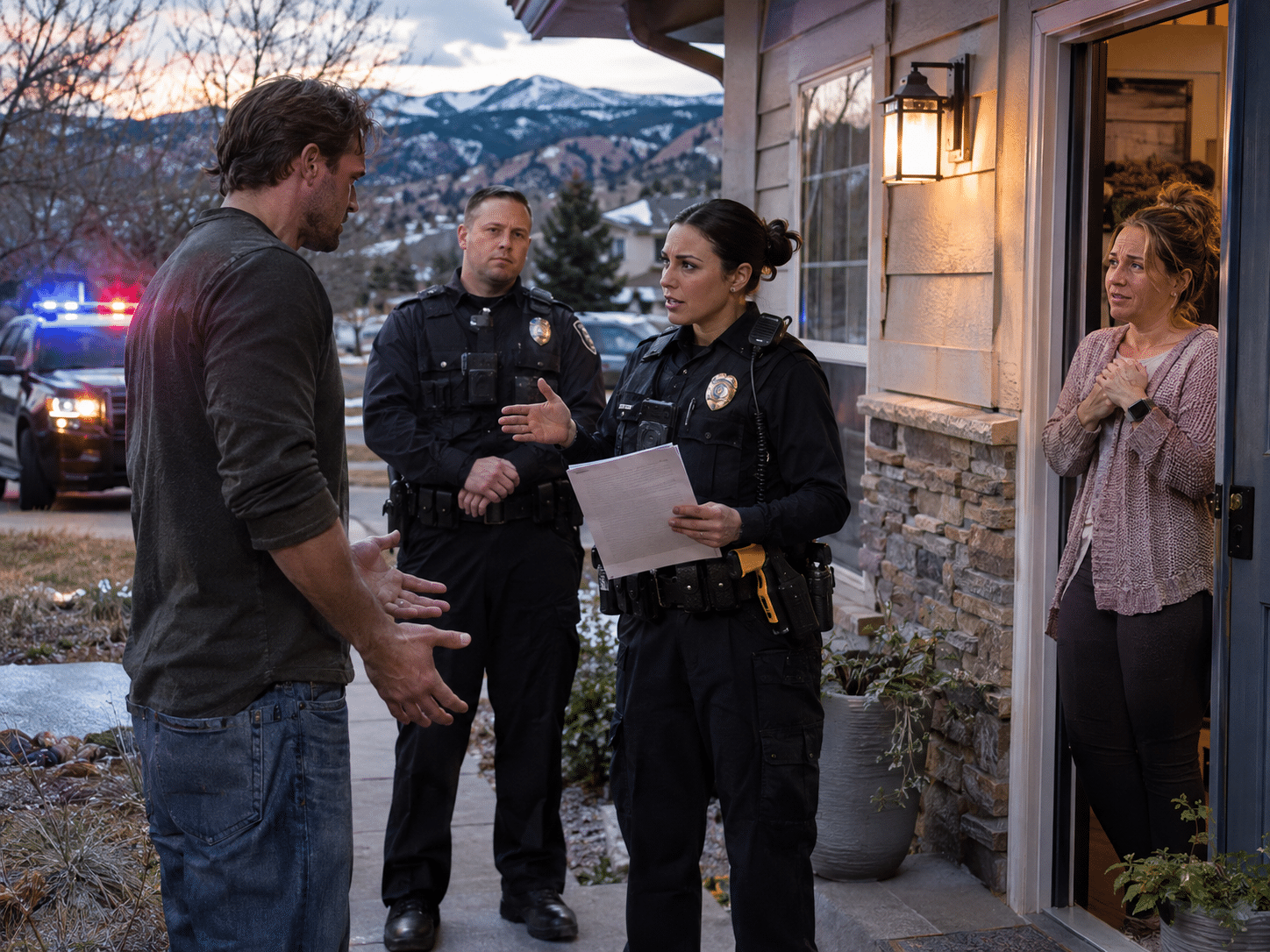
In Colorado, being accused of domestic violence can result in an immediate protection order, even if there has not been a conviction. These orders might stop someone from contacting a spouse, partner, or ex-partner, and could require leaving a shared home. Courts in Boulder and the Denver area take these allegations seriously, especially when there are threats, violence, or safety concerns. Protection orders can cause major personal and legal challenges for people who deny the accusations. We know these situations can escalate quickly, so it is important for anyone accused of domestic violence to know their rights before making choices that could impact their defense.
Colorado Courts Can Issue Protection Orders Before a Criminal Conviction
Colorado law allows judges to impose protection orders during the earliest stages of criminal proceedings. Under Colorado Revised Statutes § 18-1-1001, a mandatory criminal protection order generally takes effect when a defendant is advised of their rights at arraignment or their first court appearance and is informed of the order. The protection order can remain in effect until the criminal case reaches its final disposition, unless the court modifies or terminates it as permitted by law.
Protection orders are not just for cases with serious injuries. Claims of harassment, threats, stalking, or even minor physical contact can lead to criminal charges and limits on personal contact. It is important to know exactly what the court has banned, since even a small or harmless action could bring more charges.
A protection order does not mean someone is guilty. The prosecution still has to prove the criminal charges beyond a reasonable doubt. Still, the order puts legal restrictions in place while the case is ongoing.
Emergency and Civil Protection Orders Can Be Issued Without Criminal Charges
Colorado also allows individuals to request civil protection orders independently of a criminal prosecution. Under Colorado Revised Statutes § 13-14-104.5, courts can issue temporary civil protection orders to prevent domestic abuse, assault, stalking, and certain other harmful conduct. A judge may consider an emergency request without the accused person being present, a procedure commonly described as an ex parte hearing.
A person requesting civil protection does not need to establish that criminal charges have been filed. The court evaluates the allegations and applicable legal standards to determine whether temporary restrictions are justified. A hearing concerning a permanent civil protection order is generally scheduled within 14 days after the temporary order is issued, although statutory continuances and extensions may apply.
We urge anyone facing these proceedings to take them seriously, even if there is no criminal complaint. A civil protection order that goes against you can impact your housing, family life, gun rights, and future contact with the protected person.
Restrictions That May Accompany a Domestic Violence Protection Order
Protection orders can place major limits on daily life, depending on what is alleged and what the court decides. Some people must stop all contact with the protected person right away, while others cannot go to certain places.
Common restrictions include:
- Prohibitions against telephone calls, text messages, emails, social media contact, and communication through third parties.
- Requirements to stay away from the protected person’s home, workplace, school, or other designated locations.
- Restrictions involving firearms and ammunition when the applicable legal requirements are satisfied.
- Orders preventing harassment, threats, intimidation, or other prohibited conduct.
A person might have to move out of a shared home, even if they own or rent it. If children are involved, the order can make parenting schedules and exchanges harder. We help clients ask the court for changes if the restrictions cause real problems.
Domestic Violence Charges and Criminal Penalties in Colorado
Domestic violence is usually added to another criminal charge, not a separate crime by itself. In Colorado, it covers certain actions or threats against someone the accused has or had an intimate relationship with. Depending on the situation, prosecutors might file charges like assault, harassment, stalking, menacing, criminal mischief, or other crimes.
The possible punishment mostly depends on the main criminal charge. Misdemeanors might mean fines, probation, or jail, while felony assault or stalking can lead to long prison sentences. If the case involves injuries, weapons, repeated threats, or past convictions, the penalties can be even more serious.
If someone is convicted under Colorado’s domestic violence laws, they usually must go through an evaluation and treatment, unless the law says otherwise. There may also be probation rules, financial costs, and limits on owning guns. We look at both the main charges and the domestic violence label when planning a defense.
Defending Against Domestic Violence Allegations and Protection Orders
Domestic violence accusations often involve different stories, arguments over what happened, and strong emotions. Just because romantic partners disagree does not mean a crime happened, and being accused does not take away a person’s rights.
We review police reports, texts and emails, witness statements, photos, medical records, and what happened at the start of the case. Depending on what we find, defenses might include mistaken identity, false claims, not enough proof, self-defense, or problems with the prosecution’s story.
We also check if the protection order’s rules are legal and if changes might be needed. Taking care of these issues early can help protect a person’s job, home, family, and ability to build a strong defense.
Frequently Asked Questions About Domestic Violence Protection Orders in Colorado
Can Colorado Police Issue a Protection Order Immediately After a Domestic Violence Arrest?
Police officers usually do not issue mandatory criminal protection orders themselves. But Colorado law allows emergency protection orders through the courts, and a judge can put a mandatory order in place at the first court appearance. These rules can take effect quickly after an arrest. We suggest getting and reading the actual court order before trying to contact the alleged victim.
Can the Alleged Victim Drop a Domestic Violence Protection Order?
The protected person usually cannot cancel a criminal protection order on their own, since only the court can change its terms. Even if the alleged victim wants to reconcile or asks prosecutors to drop the case, the defendant still has to follow the order. Civil protection orders also often need a formal court process to lift restrictions. We help defendants seek changes to these orders when the situation and law allow.
Will a Domestic Violence Protection Order Prevent Me From Owning Firearms?
Some Colorado domestic violence protection orders require you to give up or stop buying firearms and ammunition. The rules depend on the type of order, what the court found, and both state and federal law. Not all protection orders have the same effects, so it’s important to review your situation. We help clients understand which rules apply and how to follow firearm orders without risking more legal trouble.
Can a Protection Order Be Challenged or Modified?
Yes. Colorado law allows you to ask for changes to certain protection orders or to challenge civil protection orders in court. Judges look at the facts, legal steps, and safety issues before deciding if the restrictions should stay. We can show evidence about disputed claims, changes in your situation, and good reasons for relief. Until the court changes the order, all current restrictions still apply.
Contact Watkins Law Firm LLC for Domestic Violence Defense in Boulder, Colorado
A domestic violence accusation can impact your freedom, reputation, housing, family, and future even before your case goes to trial. At Watkins Law Firm LLC, we know how serious criminal protection orders are and why it’s important to challenge claims that aren’t supported by evidence. We defend people accused of domestic violence and related crimes like assault, harassment, stalking, and breaking protection orders.
Our office is in Boulder, Colorado, and we serve clients across Boulder County and the Denver area. We review the allegations, look at the prosecution’s evidence, and work to protect your rights during the criminal process.
Contact our Boulder domestic violence defense attorney by calling us 24/7 at 303-507-1324 for your free consultation. We’ll talk about the domestic violence charges you’re facing, explain what the protection order means for you, and go over possible defense strategies for your Colorado case.
