
What Happens When a Colorado DWAI Charge Is Your Second Alcohol-Related Offense?
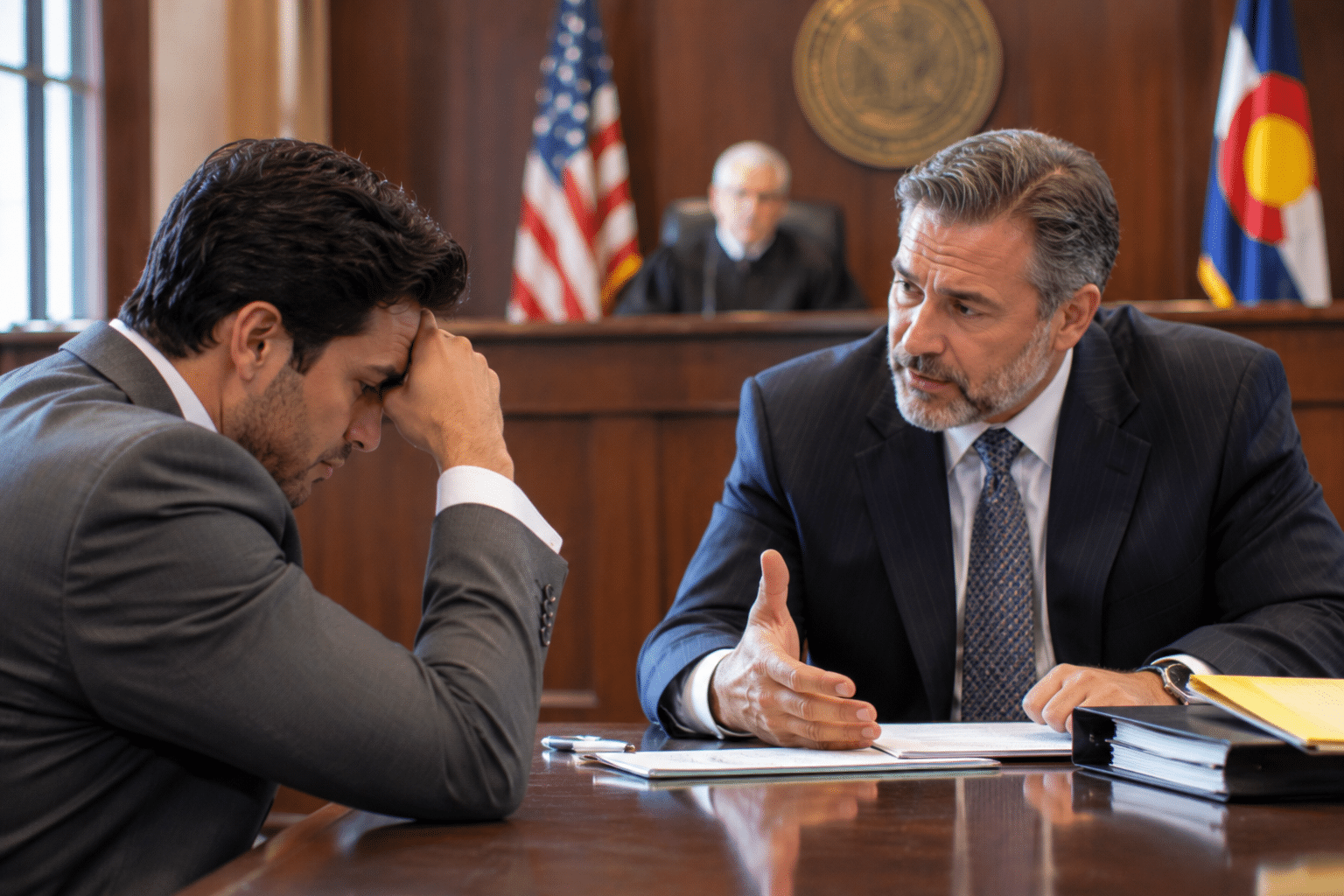
If you are charged with a second alcohol-related driving offense in Colorado, the penalties are much tougher than for a first conviction, even if the new charge is DWAI instead of DUI. Many people think DWAI is minor because it usually means less impairment than DUI, but Colorado law takes repeat offenses very seriously. A prior conviction can mean mandatory jail, longer probation, higher fines, and limits on your ability to drive. It can also change how prosecutors handle plea deals and sentencing. We know how much another conviction can affect your job, family, and finances, especially if you need to drive for daily life.
How Colorado Law Defines a Second DWAI Offense
Colorado law says DWAI happens when alcohol or drugs affect your ability to drive, even just a little. Prosecutors do not have to show as much impairment as they would for a DUI. If your blood alcohol level is over 0.05% but under 0.08%, the law assumes you might be impaired, but a test result alone does not prove guilt.
A second DWAI usually means you have a new DWAI charge and a previous alcohol-related driving conviction. The earlier conviction does not have to be another DWAI; it could be a DUI, DUI per se, or a similar conviction from another state. We look closely at your past case because how it is classified can change the penalties you face.
Criminal Penalties for a Second DWAI Conviction in Colorado
Colorado law sets tougher sentences for repeat alcohol-related driving convictions. For a first DWAI, you might get as little as two days in jail, but a second conviction usually means you must serve at least a set amount of jail time.
The penalties for a second DWAI conviction might include:
- Jail. At least 10 consecutive days and up to one year in county jail, subject to applicable sentencing alternatives.
- Fines. Between $600 and $1,500, with judicial discretion to suspend the fine.
- Community Service. Between 48 and 120 hours of mandatory public service.
- Probation. At least two years of probation and an additional suspended one-year jail sentence.
When your new offense happens less than five years after the last one, the court has fewer options for alternative sentences during the required jail time. In some cases, you might still qualify for work-release, education, or treatment programs if they are available.
We look at the dates of both offenses, your criminal history, and what sentencing options are available before planning your defense. These details can affect whether you can keep your job while meeting court requirements.
Alcohol Education, Treatment, and Probation Requirements
If you are convicted of a second DWAI, you will likely have to complete alcohol education and treatment. The court usually asks for an alcohol and drug evaluation to decide what level of treatment you need. Repeat offenders often have to do Level II education and therapy, based on the assessment and court orders.
Probation may include regular check-ins, drug or alcohol testing, going to treatment, and following other rules. If you do not finish treatment or break probation rules, you could have to serve the suspended jail time. It is important to understand these requirements before agreeing to a plea, since the effects can last long after sentencing.
Driver’s License Consequences After a Second DWAI
A second DWAI conviction can cause major problems with the Colorado DMV. While DWAI does not always lead to automatic license loss like a DUI, having more than one alcohol-related offense can bring extra restrictions from the DMV.
Colorado’s persistent drunk driver classification generally applies to drivers with two or more qualifying alcohol-related driving convictions. This designation may require a minimum two-year ignition interlock restriction, Level II alcohol education and treatment, and proof of financial responsibility through SR-22 insurance.
You could also lose your license through a separate DMV process if you fail or refuse a chemical test. If you get a revocation notice, you usually have just seven days to ask for a hearing. We handle the criminal and DMV cases separately, since winning one does not mean you win the other.
Why Early Legal Representation Matters
If you are facing a second DWAI, it is important to act quickly. Key legal decisions happen before trial. We need to save evidence, meet deadlines, and review past convictions. Waiting too long can make it harder to get records, find witnesses, or challenge DMV actions.
When handling repeat DWAI charges, we look at both the short-term criminal risks and the long-term effects. To protect your job, license, and future, we build a defense based on your unique situation, not just what happened in your last case.
Frequently Asked Questions About Second DWAI Offenses in Colorado
Is a Second DWAI a Felony in Colorado?
A second DWAI is usually a misdemeanor in Colorado, but the penalties are much tougher than for most first-time offenses. If you have a prior DUI or DWAI, you could face mandatory jail, longer probation, fines, and community service. If you have three or more prior convictions, a new DUI or DWAI can become a class 4 felony. We check your full criminal history to make sure prosecutors are using the right charges and penalties.
Can We Avoid Jail for a Second DWAI Conviction in Colorado?
For a second DWAI, Colorado law usually requires at least 10 straight days in jail. Sometimes, the court can allow other sentencing options, depending on your situation and how much time has passed since your last offense. If the new charge is within five years of the last one, there are fewer alternatives. Some people may still qualify for programs that let them keep working, go to school, or get treatment. We look at all these options and also see if we can defend or resolve your case without a conviction.
Does a Prior DUI Count Against Me if My New Charge Is DWAI?
If you have a past DUI, it can count against you when you are sentenced for a new DWAI in Colorado. The law treats DUI, DUI per se, and DWAI convictions together for repeat-offender rules. So, even if your new charge is for less impairment, you could still get second-offense penalties. Some similar out-of-state convictions also count. We review your past conviction and records to see if tougher sentencing applies.
Will I Lose My Driver’s License After a Second DWAI Conviction?
A second DWAI can cause major DMV problems, but what happens depends on your record and if you had a separate license revocation. Two alcohol-related convictions can label you as a persistent drunk driver, which means you may need an ignition interlock, more education and treatment, and SR-22 insurance. Refusing a test or having a high BAC can also bring extra license issues, even if you are not convicted. We look at both the court and DMV cases to find hearings, reinstatement steps, and defenses.
Can a DWAI From More Than Ten Years Ago Still Count as a Prior Offense?
In Colorado, there is usually no ten-year limit that stops an old DUI or DWAI conviction from being counted for repeat-offender sentencing. Even a conviction from many years ago can lead to tougher penalties in a new case. Still, the time between offenses can influence the court’s choices about some sentencing options. We look at past court records, conviction dates, and the laws that apply to see how the prosecution might use the earlier offense. Just because a conviction is old does not mean it no longer matters legally.
Can a Second DWAI Charge Be Reduced or Dismissed?
A second DWAI charge may be reduced or dismissed when the evidence, constitutional issues, or other circumstances support that result. A previous conviction does not relieve prosecutors of their obligation to prove the new allegation beyond a reasonable doubt. We examine whether officers had sufficient grounds for the traffic stop, whether field sobriety testing was reliable, and whether blood or breath evidence was properly obtained. Contradictory witness statements, video recordings, or medical explanations for apparent impairment may also become important. While no particular outcome can be guaranteed, a careful review of the prosecution’s evidence may identify grounds to challenge the charge or negotiate an appropriate resolution.
Facing a Second DWAI Charge in Boulder or the Denver Area? Contact Watkins Law Firm LLC
A second DWAI arrest in Colorado can put your freedom, job, driving privileges, and finances at risk. There are mandatory jail sentences, higher fines, probation, and possible ignition interlock requirements. Another alcohol-related conviction is a serious matter. At Watkins Law Firm LLC, we know the legal challenges in repeat DWAI cases and why it’s important to look at every possible defense before you make choices that could impact your future.
From our office in Boulder, Colorado, we represent clients facing DWAI, DUI, and other criminal charges throughout Boulder and the Denver metropolitan area. We investigate the circumstances of the arrest, examine prior convictions, review chemical testing evidence, and evaluate potential constitutional violations. Our goal is to protect your rights while pursuing the most favorable outcome supported by the facts and Colorado law.
Contact our Boulder DWAI attorney by calling us 24/7 at 303-507-1324 for your free consultation. We can discuss your second DWAI charge, explain the potential penalties, and help you understand your options for challenging the allegations and protecting your future.
