
Criminal Penalties and Prison Time for First-Degree Assault in Colorado
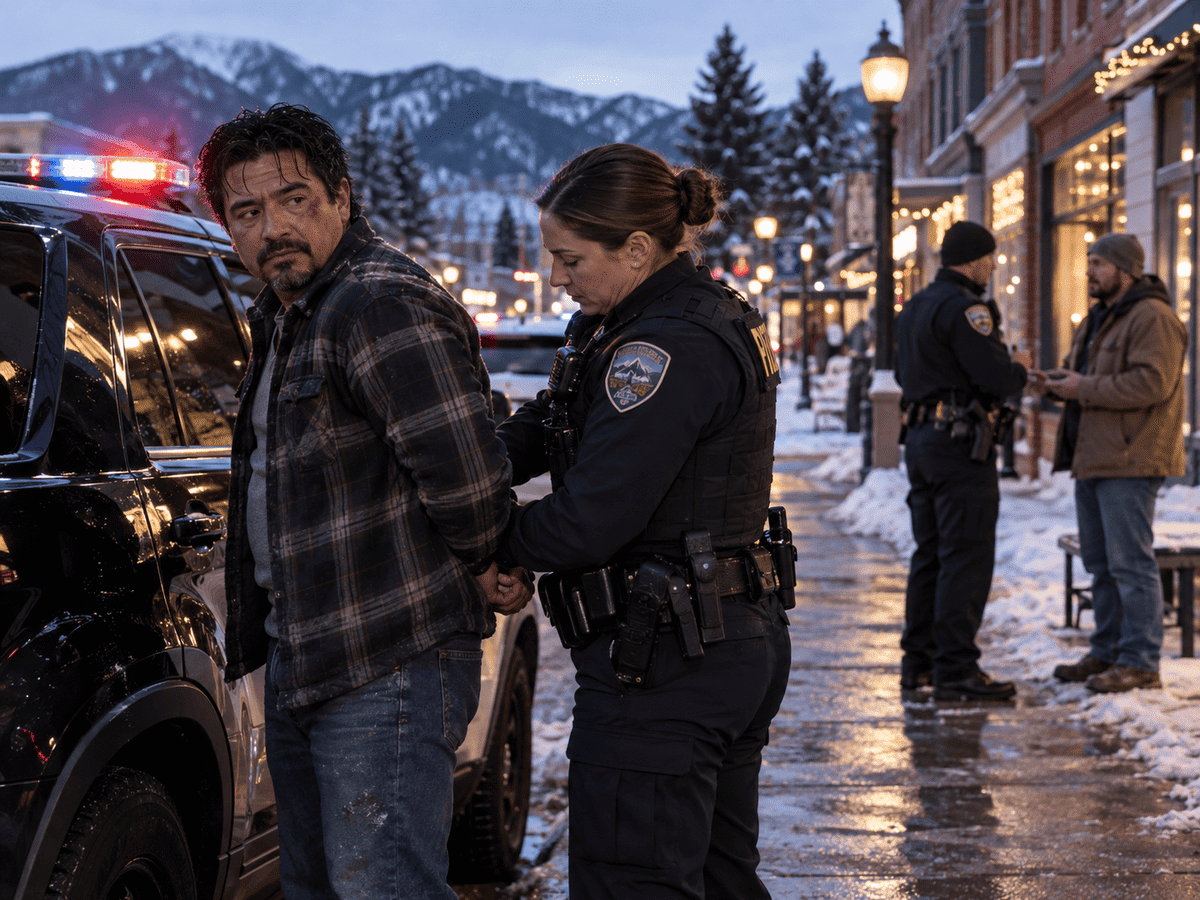
A first-degree assault charge in Boulder is a very serious violent felony. If convicted, you could face years or even decades in state prison, large fines, and a permanent felony record. Colorado Revised Statutes § 18-3-202 says first-degree assault usually involves causing serious bodily injury, using a deadly weapon in certain situations, or specific acts against law enforcement officers and other protected people. But not every serious injury or violent incident counts as first-degree assault.
The prosecution must prove every part of the offense beyond a reasonable doubt, including the required mental state. At Watkins Law Firm LLC, we defend people facing serious felony charges in Boulder and the Denver area. We know how important it is to challenge the evidence, look closely at what happened, and protect our clients from the life-changing effects of a conviction.
What Constitutes First-Degree Assault Under Colorado Law?
Colorado Revised Statutes § 18-3-202 lists several situations where an alleged assault can be considered first-degree assault. One common example is intentionally causing serious bodily injury to someone else with a deadly weapon. Another is intentionally and permanently disfiguring someone or destroying, amputating, or permanently disabling a body part or organ.
First-degree assault can also happen if someone knowingly does something that creates a serious risk of death to another person, shows extreme indifference to human life, and causes serious bodily injury.
Additional provisions address certain assaults against peace officers, firefighters, emergency medical service providers, judges, and correctional personnel. The statutory requirements differ depending on the victim’s status and the alleged conduct. We carefully examine which subsection applies because the prosecution must establish every required element of the particular offense charged.
How Colorado Defines Serious Bodily Injury
C.R.S. § 18-1-901(3)(p) defines serious bodily injury as injuries that involve a high risk of death, serious permanent disfigurement, or a high risk of long-term loss or problems with a body part or organ. The definition also includes certain fractures and second- or third-degree burns.
This difference is important because how serious the injury is can affect whether prosecutors charge first-degree assault or a lesser crime. We look at medical records, emergency treatment notes, photos, witness statements, and medical opinions to see if the evidence supports the prosecution’s claims.
An injury can be painful or need hospital care but still not meet all the legal requirements for first-degree assault. We also check if the accused person’s actions actually caused the injury and if the prosecution can prove the needed intent or knowledge.
Prison Sentences for First-Degree Assault in Colorado
Colorado’s sentencing laws impose substantial penalties for felony assault convictions. Under C.R.S. § 18-1.3-401, the ordinary presumptive sentencing range for a Class 3 felony is four to twelve years in prison, with a potential fine of $3,000 to $750,000.
However, many first-degree assault convictions fall under Colorado’s crime-of-violence sentencing requirements, making the potential prison sentence considerably longer.
Under C.R.S. § 18-1.3-406, qualifying violent crimes generally require sentencing within an enhanced range of at least the midpoint of the presumptive range and up to twice its maximum. For a Class 3 felony, that generally means 10 to 24 years in prison. Certain statutory circumstances can produce different sentencing consequences.
A qualifying first-degree assault conviction may also require five years of mandatory parole under C.R.S. § 18-1.3-401. We examine the specific charge, applicable sentencing provisions, and any alleged aggravating circumstances before assessing a client’s potential exposure.
Mandatory Prison Sentences and Crimes of Violence
Colorado’s crime-of-violence statute, C.R.S. § 18-1.3-406, applies to qualifying offenses involving circumstances such as the use or threatened use of a deadly weapon or the infliction of serious bodily injury. First-degree assault is specifically addressed by the statute.
A conviction subject to mandatory crime-of-violence sentencing can significantly restrict a court’s discretion to impose probation or another alternative to incarceration. The statute also establishes special sentencing rules for certain offenses and circumstances.
We examine whether the prosecution has properly alleged and can prove the facts required for enhanced sentencing. A dispute over the underlying injury, the use of a weapon, or the applicable statutory provision may materially affect the outcome.
Can First-Degree Assault Charges Be Reduced or Dismissed?
A first-degree assault accusation does not establish guilt. We evaluate whether the evidence supports the charged offense and whether constitutional violations, unreliable witnesses, or weaknesses in the prosecution’s case provide grounds for dismissal, suppression of evidence, or a negotiated reduction.
Depending on the circumstances, potential defenses may include self-defense under C.R.S. § 18-1-704, mistaken identity, lack of the required mental state, or insufficient proof of serious bodily injury.
We also examine whether the evidence supports a lesser assault offense under C.R.S. §§ 18-3-203 or 18-3-204. A reduction is not guaranteed, and any proposed plea agreement must be evaluated against the actual sentencing consequences.
Long-Term Consequences of a First-Degree Assault Conviction
The consequences of a first-degree assault conviction can continue long after imprisonment. A felony record may affect employment, professional licensing, housing opportunities, firearm rights, and immigration status for noncitizens.
Colorado’s habitual criminal sentencing laws, C.R.S. § 18-1.3-801, may also create additional exposure for defendants with qualifying prior felony convictions.
We consider both the immediate criminal penalties and the lasting consequences when developing a defense strategy. Protecting a client’s future requires attention to the evidence, sentencing laws, and collateral consequences from the earliest stages of the case.
Frequently Asked Questions About First-Degree Assault Charges in Colorado
How Many Years Can Someone Spend in Prison for First-Degree Assault in Colorado?
We explain to our clients that first-degree assault generally carries a substantial mandatory prison sentence. Although the ordinary Class 3 felony sentencing range is four to twelve years, first-degree assault is subject to Colorado’s crime-of-violence sentencing provisions. Because first-degree assault is also classified as an extraordinary risk crime, the applicable sentencing range is generally 10 to 32 years in prison, rather than the ordinary Class 3 range. This is established by C.R.S. §§ 18-3-202, 18-1.3-401, and 18-1.3-406, and was confirmed in People v. Ramirez-Armas (Colo. App. 2026).
We evaluate each client’s circumstances, including the offense date, applicable enhancements, and mitigating evidence, to determine the sentencing range that actually applies.
Can Someone Be Charged With First-Degree Assault Without Using a Weapon?
Yes. We regularly explain that a deadly weapon is not required under every subsection of Colorado’s first-degree assault statute. Under C.R.S. § 18-3-202(1)(c), knowingly engaging in conduct that creates a grave risk of death, under circumstances demonstrating extreme indifference to human life, and causing serious bodily injury can support a first-degree assault charge. Other provisions address intentional permanent disfigurement and certain strangulation-related injuries. We examine the precise allegations because the absence of a weapon does not automatically eliminate the possibility of a felony assault prosecution.
Is Probation Possible for First-Degree Assault in Colorado?
Probation is generally unavailable following a first-degree assault conviction subject to Colorado’s mandatory crime-of-violence sentencing requirements. Under C.R.S. § 18-3-202(2)(c), courts must sentence defendants convicted under the first-degree assault statute in accordance with C.R.S. § 18-1.3-406. That provision ordinarily requires incarceration in the Colorado Department of Corrections. We examine whether a legal defense, a reduction to a different offense, or another lawful resolution could change the sentencing consequences. We never advise clients to assume probation will be available simply because they have no prior convictions.
Can Self-Defense Prevent a First-Degree Assault Conviction?
Self-defense may provide a legal justification when the circumstances satisfy C.R.S. § 18-1-704. We investigate whether the accused reasonably believed another person was using or about to use unlawful physical force and whether the defensive force was legally justified. The use of deadly physical force is subject to additional statutory restrictions, making the particular circumstances especially important. We review surveillance footage, injuries, witness accounts, communications, and the events leading to the confrontation. When the evidence supports self-defense, we work to establish the facts necessary to present that defense effectively.
What Happens After Someone Is Arrested for First-Degree Assault in Boulder?
After an arrest, we expect the criminal case to proceed through several stages, potentially including an initial court appearance, bond proceedings, a preliminary hearing when applicable, arraignment, pretrial motions, and trial. Colorado’s criminal procedure laws, including C.R.S. § 16-4-101 and Colorado Rules of Criminal Procedure 5 and 7, govern important aspects of these proceedings. Because first-degree assault is a serious felony, pretrial release may involve significant restrictions, and the court must apply the applicable bail laws. We recommend obtaining legal representation immediately so we can assess the allegations, address release conditions, and begin preserving favorable evidence.
Can First-Degree Assault Charges Be Reduced to Second-Degree Assault?
A reduction may be possible when the facts, evidence, and applicable law support a lesser charge. Second-degree assault is governed by C.R.S. § 18-3-203 and contains different elements and sentencing provisions. We may challenge whether prosecutors can prove intentional serious bodily injury, the required mental state, or other elements necessary for first-degree assault. We also evaluate whether the evidence supports negotiations concerning a lesser offense. However, second-degree assault can still carry substantial prison exposure, particularly when crime-of-violence sentencing applies. We carefully assess any proposed agreement before recommending that a client accept it.
Facing First-Degree Assault Charges in Boulder? Contact Watkins Law Firm LLC
At Watkins Law Firm LLC, we understand the serious consequences of a first-degree assault accusation and the importance of developing a defense before critical evidence disappears. We represent individuals accused of violent felonies in Boulder and throughout the Denver area, examining the prosecution’s evidence, identifying potential constitutional violations, and evaluating available defenses under Colorado law. Whether the allegations involve a deadly weapon, serious bodily injury, self-defense, or disputed witness statements, we work to protect our clients’ rights and pursue the most favorable outcome the facts and law permit.
If you or someone you care about has been arrested or charged with first-degree assault in Colorado, we encourage you to speak with our defense team as soon as possible. At Watkins Law Firm LLC, we provide criminal defense representation for clients in Boulder and throughout the Denver area from our office location in Boulder, Colorado.
Contact our Boulder assault defense attorney by calling us 24/7 at 303-507-1324 for your free consultation. We can review the circumstances of your arrest, explain the potential criminal penalties, discuss your legal options, and begin evaluating a defense strategy designed to protect your freedom and future.
