
What Should You Do Immediately After a DUI Arrest in Boulder?
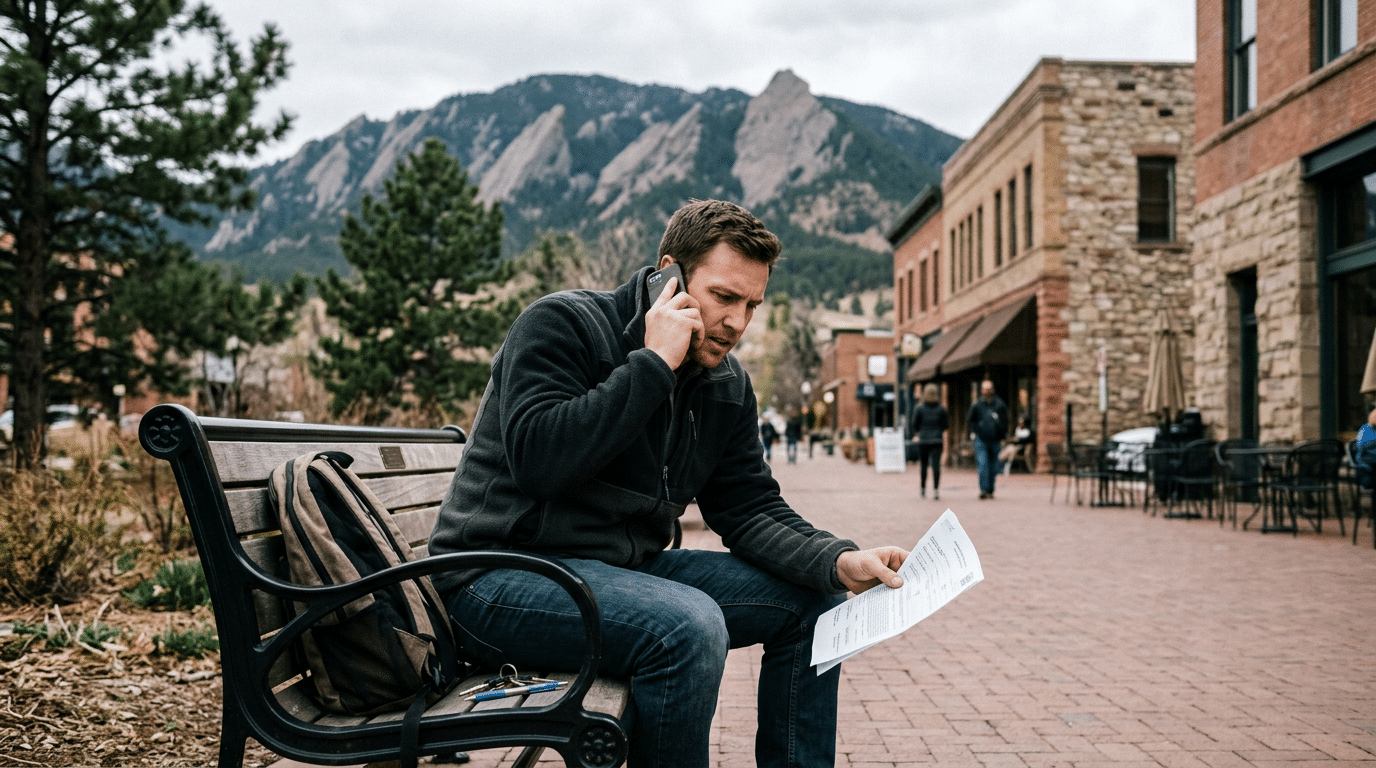
If you are arrested for DUI in Boulder, you may be facing criminal charges, possible license suspension, costly fines, and a lot of uncertainty. The choices you make right after your arrest can have a big impact on your case and your ability to keep driving, whether this is your first DUI or you have past convictions. Colorado’s DUI laws are strict, and even a first offense can have serious results. Still, being arrested does not mean you will be convicted. At Watkins Law Firm LLC, we help people in Boulder who are facing DUI charges understand their rights, look at the evidence, and build a defense. If you have been arrested for DUI, it is important to act quickly to protect your rights and avoid mistakes that could make things worse.
Understand the DUI Charges Against You
Under Colorado Revised Statutes § 42-4-1301, a driver may face charges for driving under the influence (DUI) or driving while ability impaired (DWAI).
A DUI charge usually means the police believe alcohol, drugs, or both made it unsafe for someone to drive. In Colorado, if your blood alcohol concentration (BAC) is 0.08% or higher, the law allows the court to assume you were driving under the influence.
DWAI means your ability to drive was affected, even just a little, so you could not use good judgment or control the car properly. If your BAC is over 0.05% but under 0.08%, the law may assume you were impaired, but prosecutors can also use other evidence to bring DWAI charges.
We explain these distinctions because the classification of the offense affects potential penalties, available defenses, and how we approach the case.
Request a DMV Hearing Before the Deadline
One of the most important steps following a DUI arrest in Boulder involves protecting your driving privileges.
In Colorado, a DUI case usually means you will deal with two separate processes: the criminal case in court and a possible license revocation by the Colorado Division of Motor Vehicles.
Under C.R.S. § 42-2-126, certain DUI-related arrests can trigger administrative license revocation proceedings. Drivers generally have only seven days after receiving the applicable notice to request a DMV hearing.
If you miss this deadline, you may lose your chance to fight the license revocation.
We encourage clients to contact us immediately so we can determine which deadline applies, review the documents provided by law enforcement, and assist with requesting a hearing when appropriate.
A timely hearing request may allow a driver to maintain temporary driving privileges while the administrative case is pending, depending on the circumstances.
Avoid Discussing Your Arrest With Other People
After a DUI arrest, it may be tempting to explain what happened to friends, coworkers, or people on social media. However, statements made outside confidential attorney-client communications can potentially become evidence in a criminal prosecution.
We recommend avoiding public discussions about the arrest, including comments about alcohol consumption, driving behavior, or interactions with police officers.
The Fifth Amendment protects individuals against compelled self-incrimination. However, voluntarily sharing information with other people does not necessarily provide the same protection.
We also advise clients against contacting potential witnesses to influence their recollections or asking anyone to delete relevant evidence.
Instead, we encourage clients to discuss the circumstances privately with their defense attorney.
Preserve Evidence That Could Help Your Defense
Evidence can disappear quickly after a DUI arrest. Surveillance recordings may be overwritten, witnesses may forget important details, and electronic information may become difficult to recover.
We encourage clients to preserve receipts, photographs, text messages, rideshare records, and other information that could establish a timeline of events.
We also examine evidence collected by law enforcement, including body camera recordings, dashboard camera footage, field sobriety testing procedures, and chemical test results.
Under C.R.S. § 42-4-1301.1, Colorado establishes requirements governing express consent and chemical testing in DUI investigations.
We review whether officers followed applicable procedures, whether testing equipment functioned properly, and whether the evidence supports the allegations.
When constitutional violations or significant testing errors occur, we evaluate whether the evidence may be challenged or excluded.
Attend Every Scheduled Court Appearance
Following a DUI arrest, drivers may receive paperwork identifying their first court appearance.
Depending on the circumstances, a Boulder DUI case may proceed through Boulder County Court or, for certain felony allegations, Boulder County District Court.
We remind clients that failing to appear in court can result in additional legal problems, including the possibility of an arrest warrant.
During the criminal proceedings, prosecutors must establish the elements of the charged offense beyond a reasonable doubt.
We review the prosecution’s evidence, investigate potential defenses, and represent our clients during hearings, negotiations, and trial proceedings when necessary.
We also explain what to expect at each stage so clients can make informed decisions about their cases.
Understand the Potential Penalties for a Boulder DUI Conviction
Under C.R.S. § 42-4-1307, a first DUI conviction can result in five days to one year in jail, fines ranging from $600 to $1,000, 48 to 96 hours of useful public service, and other statutory consequences. Jail sentences may be subject to suspension under qualifying conditions.
A conviction can also involve probation, alcohol education or treatment, and driver’s license consequences.
Colorado generally classifies a fourth or subsequent DUI, DUI per se, or DWAI offense as a class 4 felony under C.R.S. § 42-4-1301(1)(a), regardless of whether the previous qualifying convictions occurred in Colorado or another jurisdiction.
We carefully review prior convictions, chemical testing evidence, and the circumstances surrounding an arrest because these factors can substantially affect potential penalties.
Contact a Boulder DUI Defense Lawyer Immediately
Waiting until your first court appearance to contact an attorney can limit the time available to investigate the allegations and protect your driving privileges.
At Watkins Law Firm LLC, we examine whether officers had lawful grounds for the traffic stop, whether the arrest was supported by probable cause, and whether chemical testing complied with Colorado law.
We also evaluate whether medical conditions, environmental factors, or testing errors may have affected the evidence.
Our goal is to protect our clients’ rights, identify weaknesses in the prosecution’s case, and pursue the most favorable outcome supported by the facts and applicable law.
Frequently Asked Questions About DUI Arrests in Boulder, Colorado
How Long Do I Have to Request a DMV Hearing After a DUI Arrest in Colorado?
Under C.R.S. § 42-2-126, drivers generally have seven days after receiving the applicable notice to request an administrative hearing challenging a DUI-related license revocation. The exact deadline and procedure depend on how the notice was issued and the circumstances of the case. We recommend reviewing your paperwork immediately because missing the deadline can eliminate an important opportunity to contest the revocation. A DMV hearing is separate from the criminal DUI case, meaning you may need to address both proceedings independently. We can review your arrest documents, identify the applicable deadline, and explain the steps required to protect your driving privileges.
Can I Refuse a Breath or Blood Test During a DUI Arrest in Boulder?
Colorado’s express consent law, C.R.S. § 42-4-1301.1, generally requires drivers to cooperate with lawful chemical testing when the statutory conditions are satisfied. Refusing a required breath or blood test can trigger administrative license consequences, including a revocation and persistent drunk driver designation. A first refusal generally carries a one-year revocation, subject to applicable reinstatement provisions. Refusal evidence may also be admissible in criminal proceedings. Different legal rules apply to preliminary roadside breath tests and post-arrest evidentiary chemical testing. We review whether officers properly advised the driver, whether a lawful testing request occurred, and whether the refusal was established under Colorado law.
Will I Go to Jail for a First DUI Offense in Colorado?
A first DUI conviction carries a statutory jail range of five days to one year under C.R.S. § 42-4-1307. However, Colorado law permits suspension of certain jail sentences when defendants satisfy applicable probation, treatment, or other statutory requirements. Aggravating circumstances, including elevated alcohol concentrations, can affect sentencing requirements. We evaluate the specific allegations, criminal history, chemical test results, and available mitigating circumstances before discussing potential outcomes. Although jail is a possibility, an arrest alone does not establish guilt, and the eventual sentence depends on the conviction, statutory requirements, and court’s findings.
Can DUI Charges Be Dismissed If the Police Officer Made a Mistake?
Police mistakes can sometimes provide grounds to challenge evidence or seek dismissal, but not every procedural error invalidates a DUI prosecution. We examine whether officers had reasonable suspicion to initiate the traffic stop and probable cause to make the arrest. We also review constitutional requirements, chemical testing procedures, and the accuracy of police reports. Evidence obtained through an unconstitutional search or seizure may be subject to suppression. When critical evidence is excluded, prosecutors may have difficulty proving the charges. However, the outcome depends on the nature of the violation and the remaining admissible evidence. We evaluate these issues before recommending a defense strategy.
Do I Need a Lawyer for My First DUI Arrest in Boulder?
Colorado law does not require every person charged with DUI to retain private counsel, but legal representation can be important even for a first offense. A conviction can affect driving privileges, employment, insurance costs, and future criminal penalties. We help clients understand the criminal process, identify applicable DMV deadlines, evaluate prosecution evidence, and assess available defense options. We also explain potential plea agreements and the consequences of accepting them. Because criminal and administrative proceedings operate independently, addressing only the court case may leave significant license issues unresolved. Early representation provides additional time to investigate the arrest and prepare an informed response.
Arrested for DUI in Boulder? Watkins Law Firm LLC Can Help
A DUI arrest can threaten your driver’s license, employment, financial stability, and personal reputation. At Watkins Law Firm LLC, we understand how important it is to address these allegations promptly and carefully.
We represent individuals charged with DUI, DWAI, and other criminal offenses in Boulder and throughout the Denver metropolitan area. From our Boulder, Colorado, office, we investigate DUI arrests, challenge questionable evidence, represent clients in court, and help them understand their options under Colorado law.
If you or someone you know has been arrested for DUI in Boulder, do not wait until your first court appearance to seek legal advice.
Contact our Boulder DUI defense lawyer by calling us 24/7 at 303-507-1324 for your free consultation. We can review your arrest, explain your legal options under Colorado law, and discuss how we may help defend your case while you reside outside Colorado.
