
Can A Colorado Sex Crime Conviction Require Sex Offender Registration?
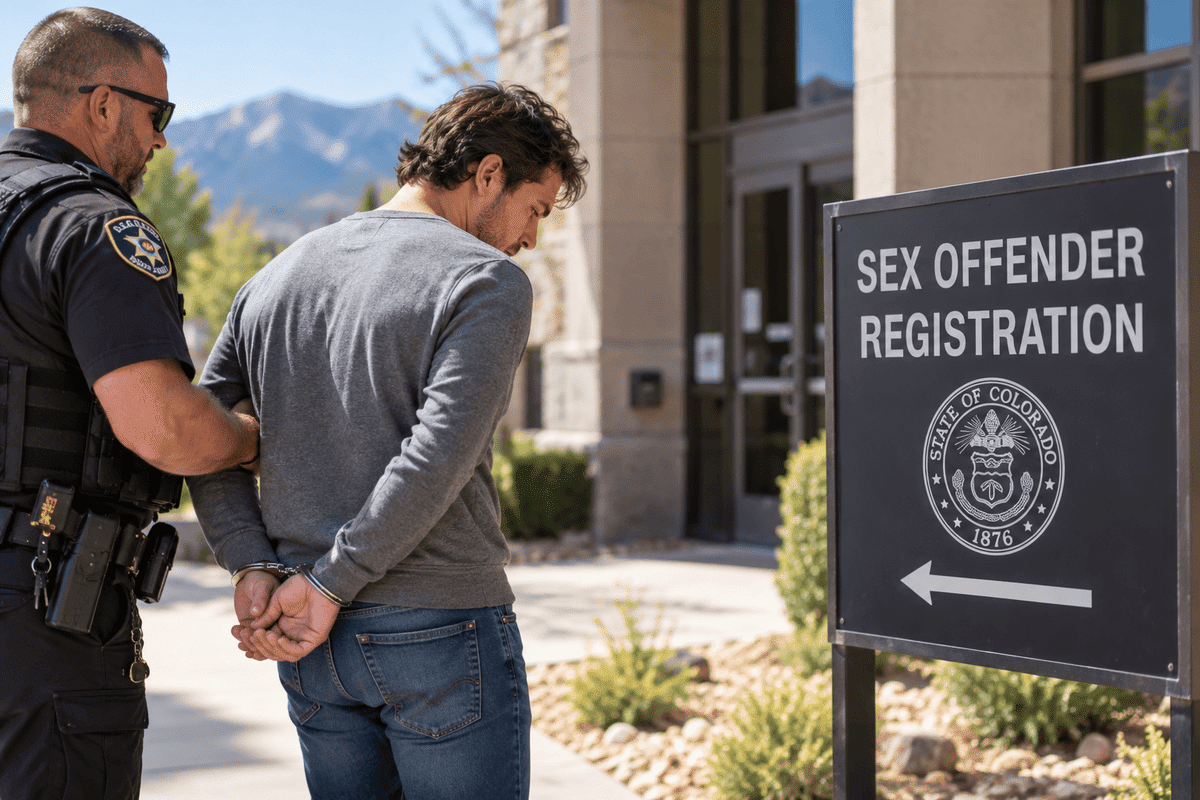
A sex crime conviction in Boulder can have lasting effects, even after jail, probation, or other penalties are over. One of the most serious is having to register as a sex offender. Colorado law requires people convicted of certain sexual offenses to register with law enforcement and keep their personal information updated. Registration can impact where you live, your job options, your relationships, and your privacy. Some people must register for a set time, while others may have to register for life.
At Watkins Law Firm LLC, we help people facing sex crime charges in Boulder and the Denver area, and we know how important it is to consider registration requirements before a case is finished.
Which Colorado Sex Crime Convictions Require Registration?
Colorado’s Sex Offender Registration Act, found in C.R.S. § 16-22-101 through § 16-22-115, establishes registration requirements for individuals convicted of qualifying sexual offenses.
Under C.R.S. § 16-22-103, registration may be required following convictions for offenses including sexual assault, unlawful sexual contact, sexual assault on a child, sexual exploitation of a child, and certain internet-related sexual offenses.
Other criminal convictions may also trigger registration when the offense involves unlawful sexual behavior as defined under C.R.S. § 16-22-102(9).
We tell our clients that the specific charge makes a difference. Two charges that seem similar can have different registration rules. We look at the law, the charges, and the evidence to see if registration is required and if there is a way to avoid it.
Colorado Sex Offender Registration Periods and Lifetime Requirements
Colorado does not require everyone to register for the same amount of time. How long someone must register depends on the offense, the type of conviction, their criminal history, and other legal factors.
Under C.R.S. § 16-22-113, certain individuals may petition a court to discontinue registration after satisfying the applicable waiting period and other legal requirements.
Depending on the conviction, the required registration period may be five, ten, or twenty years. These periods usually start from when court supervision ends, not from the date of conviction.
Some people cannot be removed from the registry under this law and may have to register for life. We review each client’s conviction and sentence to find out what rules apply and if there is a chance for relief in the future.
What Information Must Registered Sex Offenders Provide?
Under C.R.S. § 16-22-108, individuals subject to registration must provide identifying information to the appropriate local law enforcement agency.
Registration information generally includes a person’s legal name, residence information, identifying characteristics, and other details required by statute.
People who register must meet deadlines for signing up, renewing their registration, and updating their information if they move or if anything else changes.
How often someone must register depends on the offense and how the law classifies it. Some people report once a year, while others must report more often.
We stress that registration is a continuing legal duty. Missing a deadline or not understanding the rules can lead to new criminal charges, even after your original sentence is over.
Criminal Penalties for Violating Sex Offender Registration Requirements
Yes. Under C.R.S. § 18-3-412.5, failing to register as required by Colorado law is a separate criminal offense.
Depending on the underlying conviction and circumstances, a registration violation may be prosecuted as a misdemeanor or felony.
Potential violations include failing to complete required registration, failing to report an address change, or providing materially false registration information.
A conviction for failing to register can bring more penalties, such as jail time or more court supervision.
We check if the prosecution can prove that you had to register and that you broke the rules. Records, reporting dates, police paperwork, and legal notices can all be important evidence in your defense.
Does Sex Offender Registration Mean Someone’s Information Will Be Public?
Registration and public disclosure are separate legal issues. Colorado keeps records of people who register as sex offenders, but not everyone’s information is shown the same way on public websites.
Under C.R.S. § 16-22-110, Colorado law governs the release of registration information, including public access to certain records.
The Colorado Bureau of Investigation maintains a public sex offender registry that provides information about qualifying registrants. Public disclosure depends on the applicable statutory requirements and offense classifications.
We help our clients see the difference between registering with the police and having their information appear on a public registry. Both can have serious effects on your personal and work life.
How Can a Colorado Criminal Defense Lawyer Help Before a Conviction?
The most effective time to address registration consequences is often before a defendant enters a plea or proceeds to trial. A negotiated plea involving a different offense does not necessarily eliminate registration, particularly when the applicable statutes make registration depend on the offense or the underlying conduct.
We look into the charges, review witness statements, check digital evidence, and look for any violations of your rights. We also see if the prosecution can prove every part of the case beyond a reasonable doubt.
Where appropriate, we pursue dismissal, reduction of charges, or another lawful resolution that limits the consequences of a conviction.
Our objective is to protect our clients’ legal rights while ensuring they understand the potential long-term consequences of every available option.
Frequently Asked Questions About Colorado Sex Offender Registration
Does Every Colorado Sex Crime Conviction Require Sex Offender Registration?
Not every criminal conviction involving sexual allegations automatically requires registration. Colorado law identifies specific qualifying offenses and circumstances under C.R.S. § 16-22-103. Registration may also apply to certain convictions involving unlawful sexual behavior, even when the offense title does not immediately suggest a traditional sex crime.
We examine the actual conviction, statutory classification, and relevant findings rather than relying solely on the offense name. Before our clients consider a plea agreement, we explain whether the proposed conviction would trigger registration and whether that obligation could continue after probation or incarceration ends.
Can a First-Time Sex Offender Avoid Registration in Colorado?
Having no prior criminal record does not automatically eliminate Colorado’s registration requirements. A first-time conviction for a qualifying offense may still require registration under C.R.S. § 16-22-103.
However, a defendant’s criminal history, the evidence, and the nature of the allegations may influence available plea negotiations and sentencing options. We investigate whether the prosecution can establish the charged offense and whether a lawful alternative resolution is possible. We also explain that deferred judgments and certain juvenile dispositions require separate statutory analysis. We never assume that avoiding an ordinary judgment of conviction necessarily eliminates registration.
Can Someone Move to Another State While Registered in Colorado?
Moving to another state does not automatically end an existing Colorado registration obligation. Individuals who relocate may have to comply with registration requirements in both the departing and receiving jurisdictions, depending on the applicable laws.
Colorado’s registration statutes include reporting obligations involving changes of residence, and the destination state may impose additional requirements. We recommend reviewing both states’ laws before relocating. Failing to register after a move can create serious criminal exposure, including potential consequences under federal law, 18 U.S.C. § 2250, when its requirements are satisfied.
Can a Colorado Sex Offender Be Removed From the Public Registry?
Removal from a public website and termination of the underlying registration obligation are different matters. Some registered individuals may qualify to petition for discontinuation under C.R.S. § 16-22-113, but eligibility depends on the conviction and statutory requirements.
We review whether the required waiting period has passed and whether the individual satisfies the conditions for relief. A successful petition may result in termination of the registration obligation and corresponding updates to public records. However, not every registrant is eligible, and the public availability of historical criminal records may present separate issues.
What Happens if Someone Forgets to Update Their Registration Address?
Failing to comply with required address reporting can result in prosecution under C.R.S. § 18-3-412.5. Colorado law imposes specific reporting deadlines, and individuals should not assume that notifying a probation officer or updating a driver’s license satisfies every registration obligation.
We examine the timing of the move, the applicable reporting requirements, the individual’s registration history, and the prosecution’s evidence. We also evaluate whether the state can prove the elements of the alleged violation. Promptly addressing an error may help prevent additional problems, but correcting information late does not necessarily eliminate criminal liability.
Can a Sex Crime Charge Be Dismissed Before Registration Becomes Mandatory?
Yes. A dismissal before a qualifying conviction or other registration-triggering disposition may prevent registration based on that charge. However, Colorado law also addresses certain dispositions beyond ordinary convictions, so the exact procedural outcome matters.
We evaluate the reliability of witness statements, electronic communications, forensic evidence, and police procedures. We also examine whether investigators violated constitutional protections during searches, interrogations, or evidence collection. When the evidence does not support the charge, we pursue dismissal or other appropriate relief. We explain the registration consequences of any proposed agreement before our clients make a decision.
Call Our Boulder Sex Crime Defense Lawyer at Watkins Law Firm LLC
At Watkins Law Firm LLC, we understand that a sex crime allegation can threaten far more than a person’s immediate freedom. A conviction may create registration obligations that affect housing, employment, family relationships, and future opportunities.
We represent clients accused of sexual assault, unlawful sexual contact, sexual exploitation, internet-related sex offenses, and other criminal charges throughout Boulder and the Denver metropolitan area. We carefully examine the evidence, challenge unsupported allegations, and work to protect our clients from unnecessary or unlawful consequences.
We also help clients understand how Colorado’s registration statutes may apply to their charges, including the possibility of long-term registration and eligibility for future removal.
If you are facing sex crime charges in Boulder or the Denver area, we encourage you to obtain legal advice before speaking further with investigators or accepting a plea agreement. Registration requirements can have consequences that extend well beyond the criminal sentence.
Contact our Boulder criminal defense attorney by calling us 24/7 at 303-507-1324 for your free consultation. From our office locations in Boulder, Colorado, we represent clients throughout Boulder and the greater Denver area. We are prepared to review your case, explain your legal options, and defend your rights under Colorado law.
