
Possession With Intent To Deliver Vs Drug Trafficking In Colorado
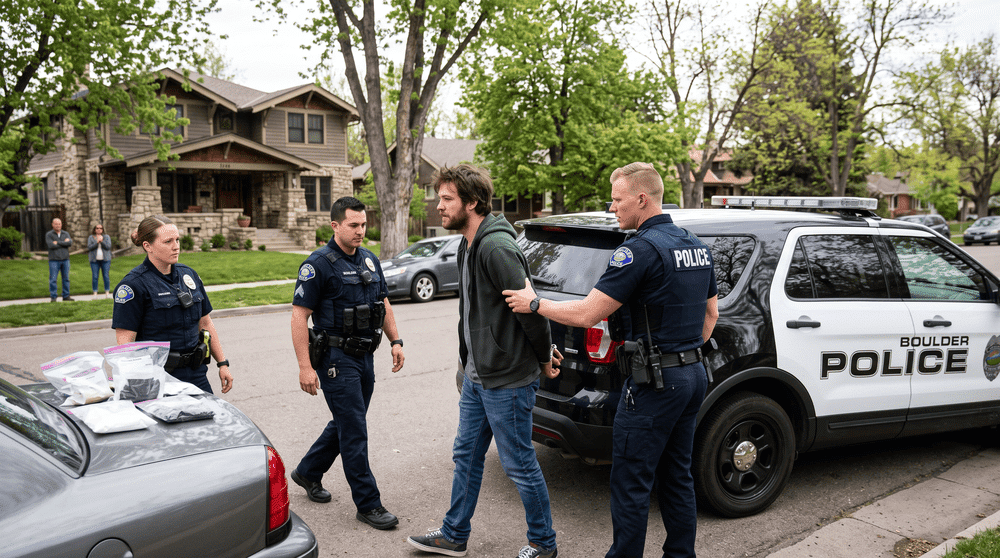
A Colorado drug case can become much more serious when prosecutors claim the drugs were not only for personal use. Many people hear phrases such as “possession with intent to deliver,” “drug distribution,” “drug trafficking,” or “felony drug charge” and do not know what those terms mean in Colorado court. The wording matters because the charge can affect bond, sentencing exposure, plea negotiations, employment, immigration issues, professional licensing, and a person’s future.
We often see cases where police assume intent to sell based on the amount of drugs, cash, packaging, text messages, or who was in the vehicle or home. At Watkins Law Firm LLC, we defend clients in Boulder and throughout the Denver area against serious Colorado drug allegations, and we know how quickly a possession case can turn into a distribution or trafficking accusation.
Colorado Law Does Not Always Use The Same Words People Use
People often use the phrase “possession with intent to deliver” because that wording is common in drug cases across the country. Colorado law uses different statutory language. Under C.R.S. § 18-18-405, it is unlawful to knowingly manufacture, dispense, sell, distribute, or possess with intent to manufacture, dispense, sell, or distribute a controlled substance. The statute also covers attempts, inducement, conspiracy, and possession of chemicals, supplies, or equipment with intent to manufacture a controlled substance.
That means a Colorado prosecutor does not need to label the charge exactly as “delivery” for the case to carry distribution-level consequences. If the state claims you possessed drugs with intent to distribute, sell, dispense, or manufacture, the case may be charged under C.R.S. § 18-18-405 instead of simple possession. This distinction is critical because the penalties, pressure, and long-term consequences can be far more serious than a personal-use possession case.
Simple Possession Vs Possession With Intent
Simple possession is usually based on the claim that a person knowingly possessed a controlled substance for personal use. Colorado’s unlawful possession statute is C.R.S. § 18-18-403.5. However, that statute also makes clear that a person may still be charged with unlawful distribution, manufacturing, dispensing, sale, or possession with intent under C.R.S. § 18-18-405 when the evidence supports that charge.
The difference often comes down to intent. The prosecution may argue that drugs were possessed for distribution based on the surrounding facts. They may point to quantity, packaging, scales, baggies, cash, ledgers, messages, firearms, multiple phones, statements, surveillance, or alleged customer contact. We look closely at whether the evidence truly shows intent to distribute or whether police are stretching ordinary possession facts into a more serious charge.
What Prosecutors May Call Drug Trafficking
“Drug trafficking” is often used as a broad phrase. In Colorado, it may refer to distribution, sale, possession with intent to distribute, manufacturing, conspiracy, or large-quantity drug activity. In some cases, the phrase may also be used when police claim drugs were moved between locations, counties, or states. Not every serious drug case is charged under a statute titled “trafficking,” but the phrase usually signals that prosecutors view the case as more than simple possession.
The trafficking label can make a case feel more serious from the beginning. It may affect bond arguments, negotiations, and how the prosecution presents the facts. A person may be accused of trafficking even if police never saw a sale. Prosecutors may rely on circumstantial evidence, such as messages, packaging, money, or quantity. We challenge those assumptions because circumstantial evidence can be misunderstood, incomplete, or taken out of context.
Quantity Matters, But It Does Not Prove Everything
Drug quantity is often one of the first facts police focus on. A larger amount may lead officers to assume the drugs were intended for sale. However, quantity alone does not always prove intent to distribute. Some people possess larger amounts because of addiction, dependency, shared use, fear of withdrawal, or buying in bulk for personal use. Others may be near drugs that belong to someone else.
The type of substance also matters. Fentanyl, methamphetamine, cocaine, heroin, pills, and other controlled substances may be treated differently depending on the amount, schedule, and surrounding facts. Colorado sentencing for drug felonies is addressed in C.R.S. § 18-1.3-401.5, and the level of the drug felony can significantly affect prison exposure, probation options, parole, and plea negotiations. Because the stakes are high, the defense cannot stop at the police conclusion that “the amount was too much for personal use.”
Evidence Commonly Used To Claim Intent To Distribute
Prosecutors may use many types of evidence to argue intent. They may point to small baggies, digital scales, large amounts of cash, text messages, social media messages, phone records, location data, hotel rooms, rental cars, weapons, surveillance, or statements from another person. They may also claim that short visits to a home or car show drug sales.
Each piece of evidence has to be tested. A scale may have innocent uses. Cash may come from work, savings, or another lawful source. Text messages may be vague, joking, old, or misunderstood. A person may be present in a car or apartment without knowing what someone else had. The prosecution must prove the case, and assumptions should not replace evidence.
Conspiracy And Shared Possession Issues
Some Colorado drug cases involve conspiracy allegations. Under C.R.S. § 18-18-405, the statute includes conspiracy language tied to distribution-level conduct. This can create risk when police believe multiple people were working together. A person may be charged based on alleged communication, shared travel, shared housing, or association with another person suspected of drug activity.
Being near someone involved in drugs is not the same as joining a drug distribution plan. The prosecution must prove more than presence, friendship, or bad timing. We often examine whether the state can prove knowledge, agreement, intent, and actual participation. In shared car or shared apartment cases, this analysis can be especially important.
Special Offender Allegations Can Increase The Stakes
Some Colorado drug cases may involve special offender allegations under C.R.S. § 18-18-407. This statute can increase the seriousness of a felony drug case when certain aggravating circumstances are alleged. These may include patterns of drug distribution, certain weapon-related allegations, or other facts listed in the statute. A special offender allegation can dramatically increase sentencing exposure.
When prosecutors add aggravating allegations, we review the facts carefully. We look at whether the state can prove the claimed circumstance, whether the evidence is reliable, and whether the allegation is being used to pressure a plea. These are not minor details. They can change the entire risk profile of the case.
Defense Strategies In Possession With Intent And Trafficking Cases
A strong defense begins with the stop, search, seizure, and investigation. We review whether police had a lawful basis for the traffic stop, detention, search warrant, home search, car search, or phone search. If the evidence was obtained illegally, we may file a motion to suppress. That can change the case significantly.
We also challenge possession, knowledge, intent, quantity, lab testing, chain of custody, witness reliability, informant credibility, and the meaning of digital evidence. In some cases, the defense may argue personal use rather than distribution. In others, the defense may show that the drugs belonged to someone else, that the search was unlawful, that the state cannot prove intent, or that the prosecution is relying on weak assumptions.
Why Early Defense Matters
Drug distribution and trafficking allegations move quickly. Police may seize phones, money, vehicles, and personal property. Prosecutors may ask for strict bond conditions. The case may affect work, housing, immigration status, family obligations, professional licensing, and future criminal exposure. Waiting too long can make it harder to preserve evidence, locate witnesses, obtain video, or challenge the search.
We take these cases seriously from the start. The earlier we can review the evidence, the better we can identify weaknesses and protect your rights.
FAQs About Possession With Intent And Drug Trafficking In Colorado
Is Possession With Intent To Deliver The Same As Drug Trafficking In Colorado?
Not exactly. “Possession with intent to deliver” is a phrase many people use, but Colorado law generally uses language such as possession with intent to distribute, sell, dispense, or manufacture under C.R.S. § 18-18-405. “Drug trafficking” is often used more broadly to describe serious drug distribution activity, large quantities, transportation, conspiracy, or sale-related allegations. The exact charge matters. A person may face serious felony exposure even if the statute does not use the word “trafficking” in the title.
Can I Be Charged With Intent To Distribute If Police Never Saw A Sale?
Yes. Prosecutors can try to prove intent to distribute through circumstantial evidence. They may rely on quantity, packaging, cash, scales, text messages, phone records, statements, or other facts. However, circumstantial evidence can be challenged. Police may misread innocent facts or assume that a person intended to sell drugs because of the amount involved. We examine whether the evidence truly supports distribution or whether it is more consistent with personal use, shared use, or another explanation.
What Makes A Colorado Drug Case More Serious Than Simple Possession?
A drug case becomes more serious when prosecutors claim distribution, sale, manufacturing, conspiracy, large quantities, weapons, repeated conduct, or other aggravating facts. Simple possession under C.R.S. § 18-18-403.5 is different from distribution-level conduct under C.R.S. § 18-18-405. The type of drug, amount, prior record, search facts, and surrounding evidence all matter. Fentanyl, methamphetamine, cocaine, heroin, and prescription drug allegations can carry serious consequences depending on the facts of the case.
Can Text Messages Be Used In A Colorado Drug Trafficking Case?
Yes. Prosecutors may use text messages, social media messages, call logs, location data, and phone records in drug distribution cases. They may argue that certain words, emojis, amounts, or meeting locations show drug sales. We review those messages carefully. Some messages are vague, old, taken out of context, or not connected to an actual drug transaction. The prosecution still has to prove what the messages mean and who sent them. Digital evidence can be powerful, but it is not always as clear as police claim.
What If The Drugs Were Found In A Shared Car Or Apartment?
Shared spaces create serious proof issues. If drugs are found in a car, apartment, bedroom, backpack, or common area used by more than one person, the prosecution must prove more than proximity. They must prove knowing possession and, in intent cases, intent to distribute. We look at ownership, access, fingerprints, DNA, statements, location of the drugs, who controlled the space, and whether anyone else had a stronger connection to the evidence. Being near drugs is not the same as possessing them.
Can A Possession With Intent Case Be Reduced To Simple Possession?
Sometimes. A reduction may be possible when the evidence of intent is weak, the quantity is disputed, the packaging evidence is unclear, the search has problems, or the client’s history and case facts support a better resolution. Every case is different. Prosecutors may resist reductions in serious drug cases, especially when fentanyl, methamphetamine, cocaine, heroin, firearms, or large quantities are involved. Still, challenging the evidence early may create opportunities to reduce the charge, limit sentencing exposure, or seek dismissal of unsupported allegations.
Call Watkins Law Firm LLC For Help With A Colorado Drug Charge
If you are facing possession with intent, distribution, trafficking, conspiracy, manufacturing, or any serious drug allegation in Colorado, Watkins Law Firm LLC can help. We defend clients in Boulder and throughout the Denver area against felony drug charges and related criminal accusations. We understand how much is at stake when prosecutors claim a drug case involves intent to distribute rather than personal use. Contact our Boulder drug crime attorney by calling us 24/7 at (303) 507-1324 for your free consultation.
