
Possession Vs. Possession With Intent To Distribute In Colorado
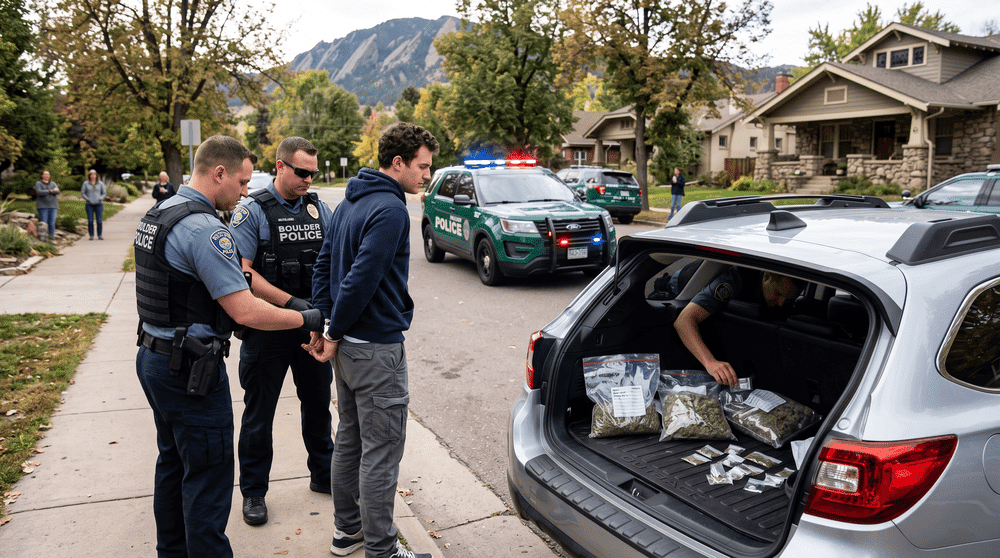
A Boulder drug charge can become much more serious when prosecutors claim the case involves more than simple possession. Many people are shocked when a small traffic stop, home search, or police encounter turns into an allegation of possession with intent to distribute. The difference matters because Colorado criminal law treats possession and possession with intent to distribute differently. A person accused of possessing drugs for personal use may face serious consequences, but an accusation that the person intended to sell, transfer, or distribute drugs can lead to harsher penalties and greater damage to their future.
We know how quickly police and prosecutors can assume intent based on quantity, cash, packaging, text messages, or other facts that may have an innocent explanation. At Watkins Law Firm LLC, we defend clients in Boulder and throughout the Denver area who are accused of drug possession, possession with intent to distribute, drug distribution, and related Colorado criminal charges.
Colorado Drug Possession Charges
Colorado’s unlawful possession of a controlled substance statute is C.R.S. § 18-18-403.5. A possession case usually focuses on whether the accused person knowingly possessed a controlled substance. Possession may be actual or constructive. Actual possession may involve drugs found in a person’s pocket, bag, wallet, or hand. Constructive possession may involve drugs found in a car, bedroom, apartment, backpack, or shared space where prosecutors claim the person had knowledge of and control over the substance.
Possession is not always simple. Police often assume ownership too quickly. If drugs are found in a shared car, shared home, dorm room, hotel room, or common area, the prosecution still has to prove more than proximity. Being near drugs does not always mean a person knowingly possessed them. We look at who had access, where the drugs were found, whether fingerprints or DNA exist, whether anyone made statements, and whether police can prove knowledge and control.
Possession With Intent To Distribute Under Colorado Law
Possession with intent to distribute is usually charged under C.R.S. § 18-18-405. That statute makes it unlawful to knowingly manufacture, dispense, sell, distribute, or possess with intent to manufacture, dispense, sell, or distribute a controlled substance. The “intent” part is often where the fight begins. Prosecutors do not always have evidence of an actual sale. Instead, they may try to prove intent from surrounding circumstances.
Those circumstances may include drug quantity, packaging, scales, baggies, cash, ledgers, text messages, phone records, weapons, multiple phones, surveillance, informant statements, or alleged admissions. However, you should not accept any of those facts at face value. Cash may come from work. Baggies may have innocent uses. A person may possess more than one phone for work, privacy, or family reasons. Text messages can be vague, joking, old, or taken out of context. The defense must force the prosecution to prove intent, not merely suggest it.
Why The Difference Matters
The difference between possession and possession with intent to distribute can affect jail or prison exposure, probation, plea negotiations, immigration consequences, professional licensing, employment, housing, and future record sealing. A possession case may still be serious, especially when fentanyl, methamphetamine, cocaine, heroin, or certain prescription drugs are involved. But possession with intent to distribute often carries a heavier stigma because prosecutors frame the person as someone involved in drug sales or trafficking.
Colorado’s drug felony sentencing statute, C.R.S. § 18-1.3-401.5, sets sentencing classifications and penalties for drug felonies. The offense level can depend on the drug type, amount, alleged conduct, prior record, and other facts. A distribution-based charge can move a case into a more serious category than simple possession. That is why it is important to challenge the government’s theory early, before assumptions become accepted as fact.
How Prosecutors Try To Prove Intent
Prosecutors may argue that the quantity of drugs was too large for personal use. They may argue that individually packaged substances show a plan to sell. They may point to digital evidence, such as texts that mention money, meeting locations, or coded language. They may claim that scales, packaging materials, or large amounts of cash show distribution activity.
These arguments can be challenged. Quantity alone does not always prove intent. Some users possess larger quantities because of addiction, access, fear of withdrawal, or cost. Packaging can be misleading, especially when drugs were purchased that way. Text messages may not identify the speaker, the substance, the time frame, or the meaning of the conversation. We examine whether the government’s theory is supported by evidence or built on assumptions.
Drug Cases Often Begin With A Search
Many possession and distribution cases start with a traffic stop, car search, home search, probation search, hotel-room search, or search warrant. The Fourth Amendment and Colorado constitutional protections limit when police may stop, detain, search, and seize property. If police violated your rights, we may be able to file a motion to suppress evidence.
Suppression issues can change the entire case. If drugs, statements, phones, or search results are excluded, the prosecution may lose key evidence. We review the stop, detention, search, warrant, affidavit, consent claim, K-9 sniff, inventory search, body camera footage, and officer reports. A drug charge does not begin in the courtroom. It often begins with the police decision that led to the evidence.
Statements Can Make A Case More Serious
Statements to police can turn a possession case into something more serious. A person may admit that drugs are theirs to protect someone else. A person may guess about what is inside a bag. A person may try to explain texts, money, or packaging and accidentally give police language they use later as proof of intent.
We advise clients not to explain the facts of a drug case to police without legal counsel. You have the right to remain silent. You have the right to ask for an attorney. Asking for a lawyer is not an admission of guilt. It is a way to protect yourself from giving the prosecution more evidence.
Defenses To Possession And Possession With Intent Charges
Every defense depends on the facts. In a possession case, defenses may include lack of knowledge, lack of control, mistaken identity, unlawful search, unreliable lab testing, shared access, or insufficient evidence tying the person to the drugs. In a possession with intent case, defenses may also challenge the prosecution’s claim that the drugs were meant for sale or distribution.
We may argue that the evidence is consistent with personal use, that the alleged distribution indicators have innocent explanations, or that the prosecution cannot prove who owned the drugs. We may challenge informants, police assumptions, vague texts, weak surveillance, and unsupported conclusions. The goal is to reduce the charge, seek dismissal where possible, protect the client’s record, and limit the damage to the client’s future.
FAQs About Possession And Possession With Intent To Distribute In Colorado
Is Possession With Intent To Distribute More Serious Than Possession?
Yes. Possession with intent to distribute is usually more serious because prosecutors claim the person intended to sell, transfer, dispense, or distribute drugs rather than merely possess them. A simple possession case under C.R.S. § 18-18-403.5 focuses on knowing possession. A possession-with-intent case under C.R.S. § 18-18-405 focuses on both possession and alleged intent to distribute. The penalties, plea negotiations, and long-term consequences can be much more serious when prosecutors claim distribution activity. That is why intent must be challenged carefully.
Can I Be Charged With Intent To Distribute Without Selling Drugs?
Yes. Prosecutors do not always need proof of a completed sale to file a possession-with-intent charge. They may try to prove intent through circumstantial evidence, such as drug quantity, packaging, scales, cash, text messages, surveillance, or alleged statements. However, circumstantial evidence can be weak or misleading. Many facts that police describe as “distribution indicators” can have other explanations. We examine whether the evidence actually proves intent beyond a reasonable doubt or whether the prosecution is stretching the facts.
What If The Drugs Were Found In A Shared Car Or Apartment?
Shared spaces create important defense issues. If drugs are found in a car, apartment, dorm room, hotel room, or backpack used by more than one person, the prosecution must still prove that the accused person knew about the drugs and had control over them. Mere presence is not always enough. We look at who had access, where the drugs were located, whether the drugs were visible, whether there are fingerprints or DNA, whether anyone made statements, and whether the evidence points to someone else.
Can Text Messages Be Used To Prove Drug Distribution?
Yes. Prosecutors often use text messages, app messages, call logs, and social media messages in drug distribution cases. They may argue that certain messages show sales, pricing, delivery, or coded language. Those messages can be challenged. The defense may question who sent the message, what the words mean, whether the messages are old, whether the context is missing, and whether the messages actually refer to drugs. A phone does not always tell the whole story, and prosecutors still have to prove the charge.
Can A Possession With Intent Charge Be Reduced To Possession?
Sometimes. A possession-with-intent charge may be reduced when the evidence of distribution is weak, the quantity is not as significant as police claim, the search is questionable, texts are unclear, or the case is more consistent with personal use. A reduction may also depend on the person’s record, the substance involved, the facts of the arrest, and the prosecutor’s view of the case. We review every piece of evidence before advising a client about possible outcomes.
Should I Talk To Police If They Say They Only Want To Know Where The Drugs Came From?
No one should answer drug-case questions without legal advice. Police may say they want information about someone else, but your answers can still be used against you. A statement about where drugs came from, how much they cost, who was present, or what you knew may support possession, distribution, conspiracy, or other charges. It is safer to remain silent and ask for an attorney. Protecting your rights early can prevent a bad situation from getting worse.
Call Watkins Law Firm LLC For Help With A Colorado Drug Charge
If you are facing possession, possession with intent to distribute, distribution, trafficking, or another drug-related charge in Colorado, Watkins Law Firm LLC can help. We defend clients in Boulder and throughout the Denver area against serious drug crime allegations. We understand how prosecutors use quantity, cash, packaging, phones, and assumptions to make a case appear worse than it is. Contact our Boulder drug crime lawyer by calling us 24/7 at (303) 507-1324 for your free consultation.
