
Can A Domestic Violence Arrest Lead To Child Abuse Charges In Colorado?
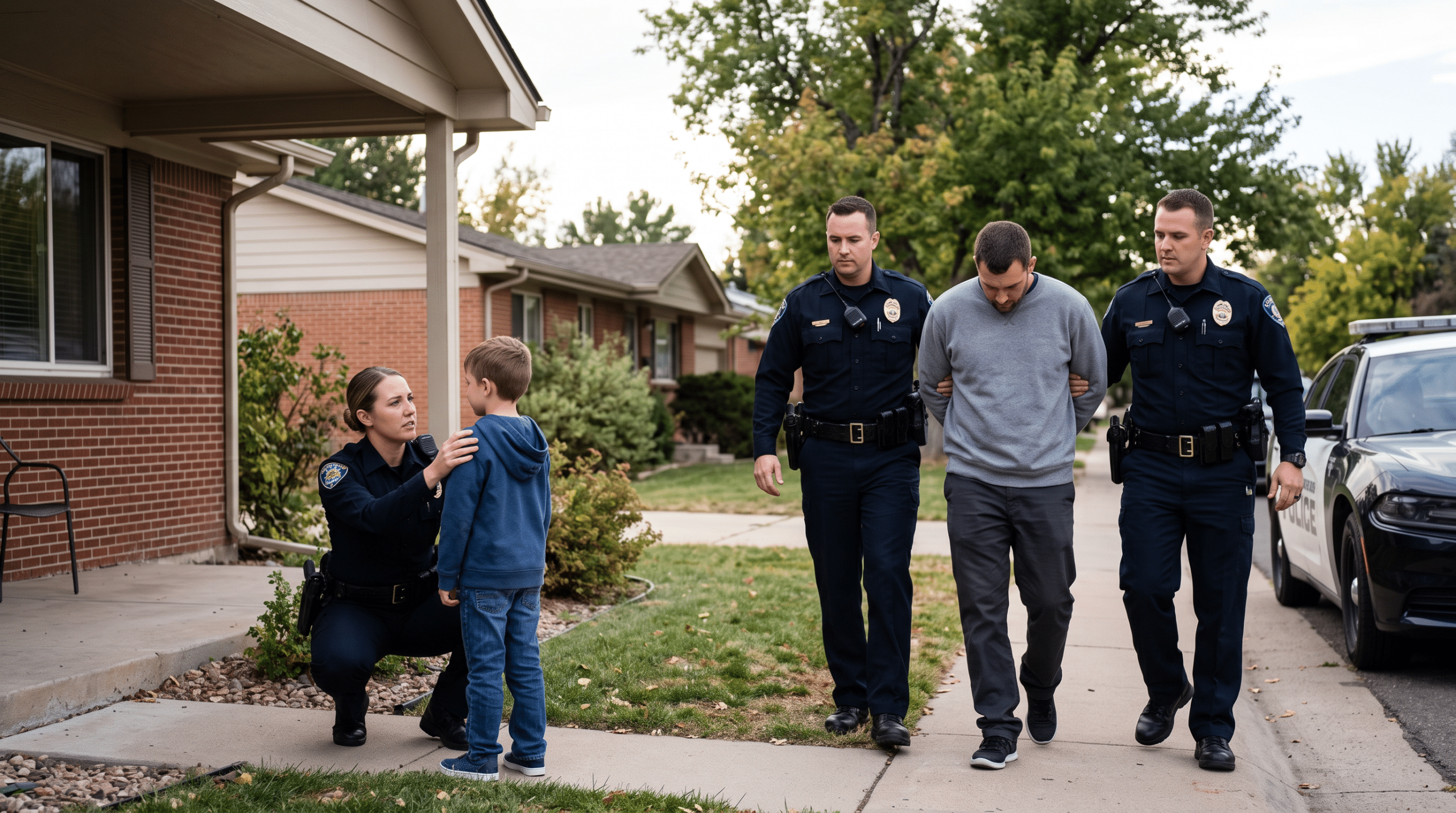
A domestic violence arrest in Colorado can quickly become more serious when children are present, nearby, or allegedly affected by the incident. Many people think a domestic violence case only involves the adults named in the police report. That is not always how prosecutors, police officers, courts, or child protection agencies view the situation. If a child saw the incident, heard the incident, was in the home, was in the vehicle, or was allegedly placed at risk, prosecutors may review the case for possible child abuse allegations. We understand how frightening this can be for a parent because one arrest may threaten freedom, housing, parenting time, reputation, employment, and family stability at the same time.
Colorado Domestic Violence Law
Colorado defines domestic violence in C.R.S. § 18-6-800.3 as an act or threatened act of violence against a person with whom the accused has been involved in an intimate relationship. The statute also includes certain crimes against property, animals, or persons when those acts are used as a method of coercion, control, punishment, intimidation, or revenge against someone in an intimate relationship.
That definition matters because domestic violence is not always a separate stand-alone offense. In many cases, it is a sentencing enhancer or designation attached to another alleged crime, such as assault, harassment, menacing, criminal mischief, stalking, trespass, violation of a protection order, or other conduct. Once a case receives the domestic violence designation, it can trigger mandatory arrest issues, protection orders, treatment requirements, firearm restrictions, and other serious consequences.
How A Domestic Violence Case Can Become A Child Abuse Case
A domestic violence arrest may lead to child abuse charges when prosecutors believe a child was placed in danger or affected by the alleged conduct. Colorado’s child abuse statute, C.R.S. § 18-6-401, covers more than direct physical injury. A person may face a child abuse allegation if prosecutors claim the person caused injury to a child’s life or health, allowed a child to be unreasonably placed in a situation that posed a threat of injury, or engaged in conduct that placed a child at risk.
This is where domestic violence and child abuse allegations can overlap. If police claim a child was present during a physical fight, saw threats, heard violence, was near broken objects, was in a car during an impaired or reckless incident, or was close enough to be harmed, the case may be reviewed for child abuse. The prosecution may argue that the child did not need to be physically hurt for the charge to apply. We evaluate whether the evidence actually supports that claim or whether the child’s presence is being used to increase pressure in the criminal case.
Does A Child Have To Be Injured?
A child does not always have to suffer a visible injury for prosecutors to consider a child abuse charge. Under C.R.S. § 18-6-401, the prosecution may rely on an alleged threat of injury or an unreasonable situation that placed the child at risk. That means a case may involve no broken bones, bruises, medical treatment, or direct contact with the child and still create exposure.
The facts still matter. A child sleeping in another room is different from a child standing between two adults during a physical struggle. A loud argument is different from an alleged assault involving thrown objects, weapons, drugs, intoxication, or reckless driving. We look at where the child was, what the child saw or heard, whether any injury occurred, whether the child was actually at risk, and whether the police report uses assumptions instead of evidence.
Mandatory Protection Orders After A Colorado Arrest
After a person is charged with a criminal offense in Colorado, C.R.S. § 18-1-1001 creates a mandatory protection order that generally remains in effect until final disposition of the case. In domestic violence cases, the order may include no-contact terms, orders to stay away from the home, restrictions on alcohol or controlled substances, firearm-related conditions, and other limits the court believes are necessary for safety.
When children are involved, the order can create immediate family problems. A parent may be told not to return home, not to contact the other parent, or not to communicate indirectly through family members. If the protected person is also the child’s other parent, normal parenting communication can become legally dangerous. Even a text message about school pickup, clothing, medicine, or homework may create problems if the protection order prohibits contact. We help clients understand what the order says before they take action that could lead to a new charge.
CPS And Mandatory Reporting Concerns
A domestic violence arrest involving children may also lead to contact from child protective services. Colorado’s mandatory reporting law, C.R.S. § 19-3-304, requires certain professionals to report suspected child abuse or neglect when they have reasonable cause to know or suspect that a child has been subjected to abuse or neglect, or when they observe circumstances or conditions that would reasonably result in abuse or neglect.
Police officers, medical providers, school employees, counselors, and other mandatory reporters may make a report after a domestic violence arrest if children were present or allegedly affected. A CPS inquiry is separate from the criminal case, but what a parent says during that inquiry may still matter. We advise parents to be careful before giving statements, signing safety plans, or agreeing to conditions without understanding how those decisions could affect the criminal case, parenting time, and future court orders.
Custody And Parenting Time Consequences
A domestic violence arrest that also raises child abuse concerns may affect custody or parenting time. In Colorado family court, the other parent may try to use the arrest to request supervised parenting time, decision-making restrictions, changes to exchanges, or limits on overnight contact. The criminal court may also impose bond conditions that affect where a parent can live and whom the parent can contact.
An arrest is not the same as a conviction. Still, courts may act cautiously when children are involved. The most important step is to avoid making the situation worse. Do not violate a protection order. Do not send emotional messages through friends or relatives. Do not post about the case online. Do not pressure the other parent to change a statement. We work to protect the criminal case while helping clients understand how each decision may affect their family.
Defenses To Domestic Violence And Child Abuse Allegations
Every case depends on the evidence. In a domestic violence case, we review 911 calls, body camera footage, witness statements, injuries, photographs, text messages, prior communications, police reports, and the alleged victim’s statements. When child abuse is added or threatened, we also review where the child was, whether the child was injured, whether the child actually witnessed the incident, and whether the alleged conduct created a real threat of injury.
Possible defenses may include self-defense, defense of another person, lack of intent, accident, false allegation, exaggerated statements, lack of injury, lack of risk to the child, unreliable witnesses, inconsistent statements, or unlawful police conduct. In some cases, the dispute may have been verbal only. In others, the accused person may have been the one trying to leave or protect the child. We do not assume the police report tells the whole story.
Why Early Defense Matters
The first days after a domestic violence arrest are critical. Bond conditions, protection orders, CPS contact, family pressure, employment concerns, and court dates can all happen quickly. A person who does not understand the restrictions may accidentally violate an order or make statements that damage the defense. Prosecutors may also make charging decisions based on early police reports, recordings, and witness statements.
We move quickly to review the facts, protect our client’s rights, and identify weaknesses in the allegations. When children are involved, we know the stakes are personal. The goal is not only to fight the criminal charges, but also to protect our client’s relationship with their children, their home life, their career, and their future.
FAQs About Domestic Violence Arrests And Child Abuse Charges In Colorado
Can A Domestic Violence Arrest Lead To Child Abuse Charges In Colorado?
Yes. A domestic violence arrest can lead to child abuse charges if prosecutors believe a child was injured, placed at risk, or exposed to circumstances that could reasonably threaten the child’s safety. Under C.R.S. § 18-6-401, child abuse is not limited to direct physical injury. Prosecutors may argue that a child was placed in an unreasonable situation, even if the child was not touched. The strength of that allegation depends on the facts, including where the child was, what the child saw or heard, whether weapons or objects were involved, whether anyone was impaired, and whether there was any real risk of injury.
What If My Child Was In Another Room During The Argument?
A child being in another room does not automatically mean child abuse occurred. The prosecution would still need evidence showing that the child was injured, threatened, or placed in a situation that posed an unreasonable risk. A child sleeping upstairs during a verbal argument is different from a child nearby during a physical struggle, property damage, threats, or a dangerous incident. Police reports may not describe these details carefully. We examine the layout of the home, witness statements, body camera footage, 911 audio, and whether the child actually observed or was affected by the event.
Can I Be Ordered To Stay Away From My Child After A Domestic Violence Arrest?
It is possible, depending on the facts and the terms of the protection order. C.R.S. § 18-1-1001 creates a mandatory protection order after a criminal charge, and the court may add terms designed to protect alleged victims or witnesses. If the child is listed as a protected person or if contact with the other parent is restricted, parenting time can become complicated. You should not assume you can communicate through the child, relatives, friends, or social media. Violating a protection order can lead to new criminal charges.
Will CPS Contact Me After A Domestic Violence Arrest?
CPS may contact you if children were present, nearby, or allegedly affected by the incident. Mandatory reporters under C.R.S. § 19-3-304 may report suspected abuse or neglect when they have reasonable cause to suspect that a child has been subjected to abuse or neglect or exposed to circumstances that could reasonably result in abuse or neglect. A CPS inquiry does not mean you are guilty of a crime, but it should be taken seriously. Statements made during a CPS inquiry may create criminal or family court problems. We recommend speaking with a defense lawyer before discussing the facts in detail.
Can The Alleged Victim Drop The Domestic Violence Case?
The alleged victim cannot simply drop a Colorado domestic violence case once the government has filed charges. Prosecutors control the criminal case. The alleged victim’s wishes may matter, but they do not automatically end the prosecution. This is especially true when children are involved because prosecutors may believe there are safety concerns beyond the adult relationship. If the alleged victim changes their statement or says the incident was misunderstood, that may help the defense, but it must be handled carefully. No one should pressure, threaten, or coach a witness.
Can Domestic Violence And Child Abuse Charges Affect My Job?
Yes. These charges can affect employment, professional licensing, background checks, security clearances, and jobs involving children, healthcare, education, public safety, transportation, or government work. Even before conviction, bond conditions and court dates may disrupt work. A conviction or protection order can create longer-term consequences. If the case involves alleged child abuse, the employment risk may increase for teachers, nurses, doctors, childcare workers, coaches, and licensed professionals. We consider these outside consequences when building a defense strategy.
Call Watkins Law Firm LLC For Help With Domestic Violence And Child Abuse Allegations
If you were arrested for domestic violence and are worried about possible child abuse charges, Watkins Law Firm LLC can help. We defend clients in Boulder and throughout the Denver area against domestic violence allegations, child abuse charges, drug crimes, DUI-related offenses, protection order violations, and other serious Colorado criminal cases. We understand how quickly these allegations can affect your home, children, job, and future.
Contact Watkins Law Firm LLC at (303) 507-1324 to receive a free consultation. Our Boulder domestic violence defense lawyer represents clients in Boulder and throughout the Denver area from our office locations in Boulder, Colorado.
