
How A Colorado DUI Can Affect Your Driver’s License Before Court
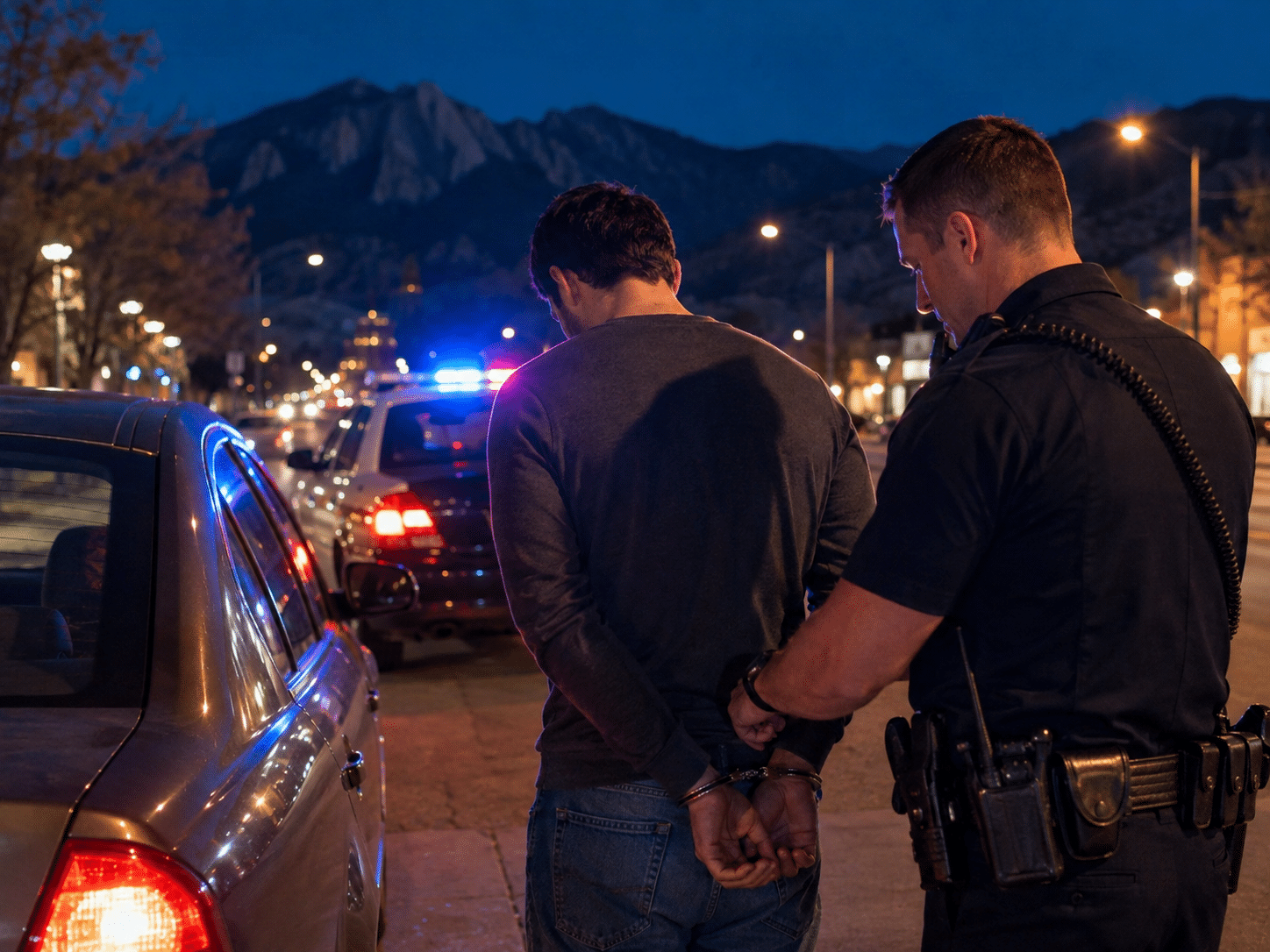
If you are arrested for DUI in Boulder, your driver’s license can be affected before you even go to court. Many people wait until their first court date to act, but this can lead to losing their driving privileges. In Colorado, the Division of Motor Vehicles handles your license separately from the criminal case, so the DMV process can start even while your court case is still pending.
We understand how stressful this can be, since losing your license can impact your job, school, medical appointments, parenting, and daily life. At Watkins Law Firm LLC, we help clients in Boulder and the Denver area handle both the criminal DUI charge and the separate license process.
Colorado DUI Charges And The DMV Case Are Separate
Colorado DUI, DWAI, DUI per se, and drug-related driving cases are governed by C.R.S. § 42-4-1301. A person may be charged with DUI if alcohol, drugs, or a combination of both allegedly made the person substantially incapable of safely operating a vehicle. A person may be charged with DWAI if alcohol, drugs, or both allegedly affected the person to the slightest degree so that the person was less able than usual to drive safely. DUI per se may be charged when a person is accused of driving with a blood alcohol content of 0.08 or higher.
The criminal case takes place in court, while the license case goes through the Colorado DMV. These are two separate processes. A criminal judge does not decide the Express Consent hearing, and a DMV hearing officer does not decide guilt or innocence in the criminal case. However, both cases are related because they can involve the same traffic stop, probable cause, chemical tests, refusal issues, and officer testimony.
The 7-Day Deadline After A Colorado DUI Arrest
One of the most important deadlines after a Colorado DUI arrest is the deadline to request a DMV hearing. Under C.R.S. § 42-2-126, a person must request a hearing in writing within 7 days after receiving the Notice of Revocation. If the deadline is missed, the revocation may begin even if the criminal case has not been resolved.
Many people are surprised by this deadline. After being released from jail, drivers are often focused on bond conditions, court dates, or returning to work, but the DMV deadline is already counting down. If you request a hearing on time and qualify, the DMV may delay the revocation and give you a temporary permit until your hearing. This temporary permit can be essential for those who need to keep working while their case is ongoing.
Breath Test, Blood Test, And Refusal Cases
What happens to your license can depend on whether your case involved a breath test, blood test, or a refusal. If a breath test shows you are over the legal limit, the officer may give you a Notice of Revocation right away. If you took a blood test, the DMV process might start later, after the results come in. If you refused chemical testing, the revocation process can start quickly and may have more serious consequences.
Under Colorado’s Express Consent law, anyone driving in the state is considered to have agreed to chemical testing in certain situations. Refusing a test can cause serious license problems, even before your criminal case is over. Alleged refusals can also impact plea negotiations, sentencing, and how prosecutors handle your case.
What The DMV Hearing Decides
The DMV hearing is limited, but it is important. The hearing officer may consider issues such as whether the officer had a valid basis for the stop or contact, whether there was probable cause to believe the driver committed DUI, DUI per se, or DWAI, whether the driver was properly advised, whether the driver refused testing, and whether the chemical test result supports revocation.
The DMV hearing is not a full criminal trial, and the rules are different. Still, it can be very useful. It lets the defense question the officer early, save important testimony, look for problems with the stop or arrest, and challenge the license revocation. Sometimes, what is said at the DMV hearing can also help in the criminal case.
How Long Can Your License Be Revoked?
License revocation length depends on the facts and the driver’s history. Under C.R.S. § 42-2-126, refusal revocations can be severe. The statute provides a one-year revocation for a first refusal, two years for a second refusal, and three years for a third or later refusal. Excess BAC cases may also lead to revocation and reinstatement requirements.
Before you can legally drive again, the DMV may require you to pay reinstatement fees, show proof of insurance, complete alcohol education or treatment, and install an ignition interlock device. Commercial drivers, out-of-state drivers, and those with past alcohol-related offenses may have extra steps. A license case is more than just paperwork—it can quickly impact your daily life.
Ignition Interlock And Restricted Driving
Many DUI-related license cases in Colorado require an ignition interlock device. This device makes you give a breath sample before starting your car and sometimes while driving. If it detects alcohol, records missed tests, or finds possible violations, you could face more DMV issues.
Some people can get a restricted license with an interlock device and drive legally after revocation starts, but eligibility depends on your case and driving record. Interlock devices also come with costs, monitoring, maintenance, and strict rules. We help clients find out if interlock is an option, when they can get their license back, and how to avoid common mistakes.
How A DUI License Issue Can Affect Work And Family
Losing your license before court can cause real problems right away. Some people cannot get to work, drive their kids to school, go to medical appointments, or commute between Boulder and Denver. License revocation can also affect commercial drivers, rideshare and delivery workers, construction and healthcare workers, students, and parents with court-ordered schedules.
These real-life effects are important. When we handle a DUI case, we consider more than just the criminal charge. We look at how the license issue impacts your life and what can be done right away to protect your ability to drive. Acting early can keep options open that might be lost if you miss deadlines.
Defending The License And Criminal Case Together
A strong DUI defense in Colorado should cover both the DMV and criminal cases. We look at the traffic stop, what the officer observed, field sobriety tests, breath and blood test records, lab results, refusal claims, body camera footage, and police reports. We also check if the officer followed the right procedures and if the evidence supports revoking your license.
Winning the DMV hearing does not automatically dismiss the criminal case. Losing the DMV hearing does not automatically mean a criminal conviction. Still, the cases influence each other. A careful defense can expose weak evidence early, preserve testimony, and help protect the client’s license, record, job, and future.
FAQs About Colorado DUI License Consequences Before Court
Can My License Be Suspended Before My DUI Court Date In Colorado?
Yes. Your license can be revoked through the Colorado DMV before the criminal court case is finished. This happens because the DMV case is separate from the court case. If you receive a Notice of Revocation after a DUI arrest, the clock starts quickly. Under C.R.S. § 42-2-126, you generally must request a hearing in writing within 7 days after receiving the notice. If you miss that deadline, the revocation may take effect even if you have not been convicted in court. That is why it is important to address the license issue immediately after an arrest.
What Is An Express Consent Hearing In Colorado?
An Express Consent hearing is the DMV hearing that determines whether your driver’s license will be revoked after a DUI-related arrest involving an excess BAC result or alleged refusal. The hearing is not the same as the criminal case. A DMV hearing officer decides administrative license issues, not whether you are guilty of DUI. The hearing may address the stop, probable cause, advisement, refusal, test result, and related issues. It can also give the defense an early chance to question the officer and learn more about the prosecution’s evidence.
What Happens If I Miss The 7-Day DMV Deadline?
If you miss the 7-day deadline, you may lose the chance to challenge the revocation through a timely Express Consent hearing. That can cause the revocation to begin even while the criminal case is still pending. Missing the deadline can also make it harder to keep driving while the case is unresolved. Some drivers assume their first court date controls everything, but that is not true in Colorado DUI cases. The DMV deadline is separate and much faster. We recommend taking action immediately after receiving a Notice of Revocation.
Can I Keep Driving After A Colorado DUI Arrest?
It depends on the facts. If you timely request a DMV hearing and qualify, the DMV may stay the revocation and issue a temporary permit until the hearing date. If you do not request a hearing on time, or if the DMV revocation has already taken effect, driving can lead to new charges and more license problems. The answer may also depend on whether the case involved a breath test, blood test, refusal, prior offenses, or commercial driving privileges. Before driving after a DUI arrest, it is important to know the exact status of your license.
Is A Refusal Worse Than Taking A Breath Or Blood Test?
A refusal can create serious license consequences. Under C.R.S. § 42-2-126, a first refusal can lead to a one-year revocation, while later refusals can lead to longer revocation periods. A refusal may also affect the criminal case because prosecutors may argue that the refusal shows consciousness of guilt, although that argument can be challenged depending on the facts. Refusal cases often involve disputes over whether the officer gave proper advisements, whether the driver actually refused, and whether there was a valid basis for the chemical test request.
Does Winning The DMV Hearing Dismiss The DUI Charge?
No. Winning the DMV hearing does not automatically dismiss the DUI charge because the DMV case and criminal case are separate. However, a strong DMV result can still help. It may show problems with the stop, arrest, refusal allegation, or chemical testing evidence. The officer’s testimony at the DMV hearing may also be useful later in court. Losing the DMV hearing also does not automatically mean you will be convicted in the criminal case. Each case has its own rules, burden, and decision-maker.
Call Watkins Law Firm LLC For Help With A Colorado DUI License Issue
If you were arrested for DUI, DWAI, DUI per se, or a drug-related driving offense in Colorado, do not wait for the first court date to deal with your license. The DMV deadline can arrive fast, and missing it can cost you important rights. Watkins Law Firm LLC helps clients in Boulder and throughout the Denver area fight DUI-related license consequences and criminal charges.
Contact our Boulder DUI defense attorney by calling us 24/7 at 303-507-1324 for your free consultation. Our Boulder DUI defense lawyer represents clients in Boulder and throughout the Denver area from our office location in Boulder, Colorado.
