
Can a Criminal Case Be Based on One Witness’s Testimony?
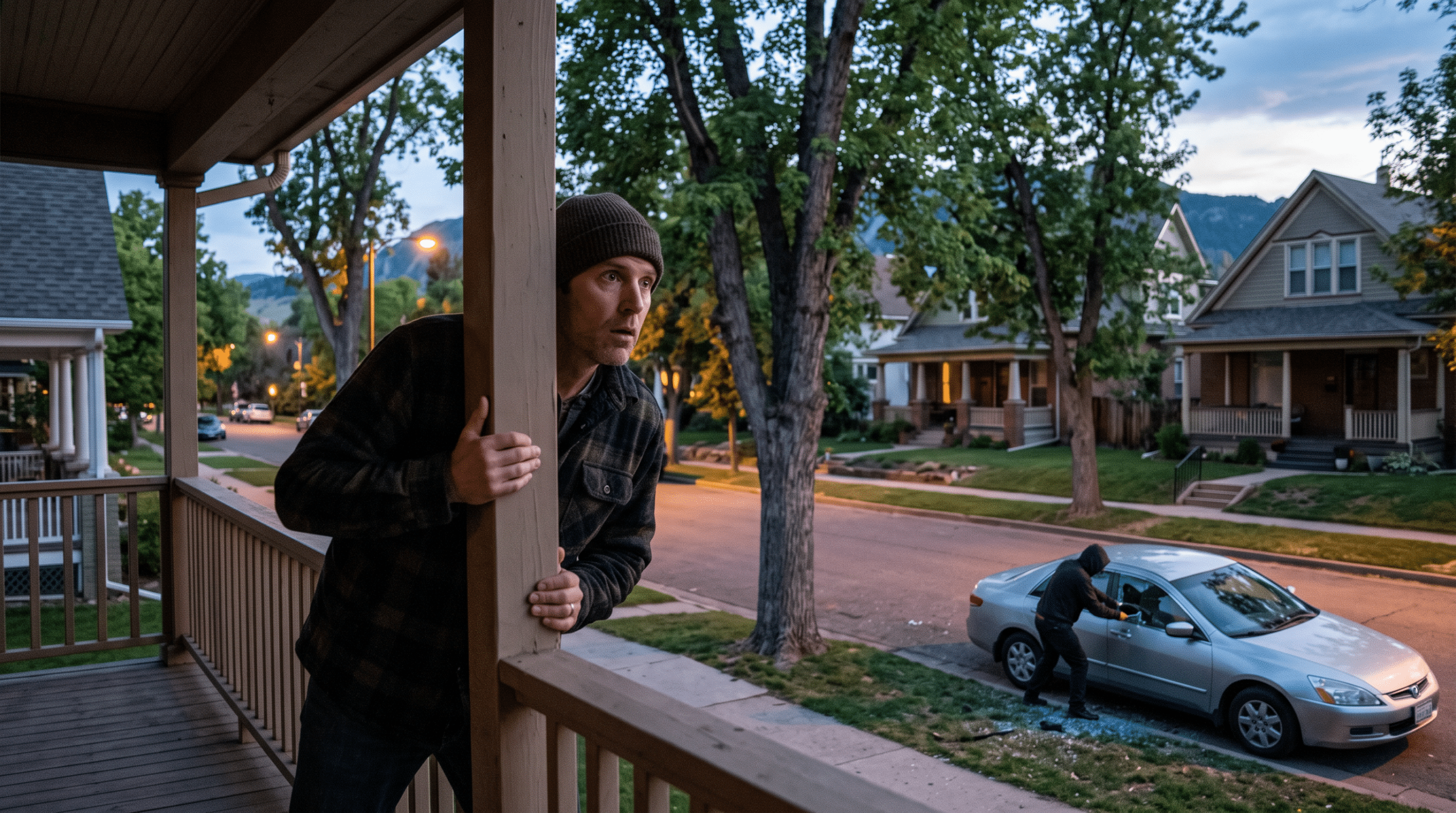
In Colorado, a criminal case can sometimes rely mostly on the testimony of just one witness. This does not mean the case is strong, fair, or impossible to challenge. Many cases start because one person calls the police, gives a statement, identifies a suspect, or reports a crime. We understand how stressful it is when your freedom, job, family, and reputation depend on what one person says.
Cases with only one witness can involve charges like assault, domestic violence, theft, drug offenses, sexual allegations, harassment, menacing, protection order violations, or other crimes. At Watkins Law Firm LLC, we focus on whether the prosecution can actually prove the charge beyond a reasonable doubt, not just on whether someone made an accusation.
One Witness Can Be Enough To Start A Case
Prosecutors in Colorado do not always need more than one witness to file a criminal charge. If a single witness gives a statement that seems to support the crime, police may make an arrest or prosecutors may file charges. This can happen even if there is no video, confession, physical evidence, or neutral witness.
This can be very frustrating for people accused of a crime. Many feel the system should require more proof before starting a case. In reality, the process of filing charges is different from going to trial. Prosecutors may trust a witness at first and move forward. The defense then gets a chance to review the evidence, question the witness, look for weaknesses, and raise doubts.
The Burden Of Proof Still Belongs To The Prosecution
A one-witness case is not the same as a conviction. In a Colorado criminal trial, the prosecution must prove every element of the charged offense beyond a reasonable doubt. The defense does not have to prove innocence. The defendant does not have to testify. The jury must decide whether the evidence is strong enough to meet the legal burden.
This matters because one person’s testimony may be uncertain, inconsistent, biased, incomplete, mistaken, exaggerated, or influenced by anger, fear, pressure, intoxication, custody disputes, relationship problems, or self-interest. A jury may believe all of a witness’s testimony, part of it, or none of it. The law allows jurors to evaluate credibility, motive, opportunity to observe, memory, consistency, and whether other evidence supports or contradicts the testimony.
The Right To Confront The Witness
Colorado Constitution article II, section 16 gives a person accused of a crime the right to appear and defend, demand the nature and cause of the accusation, and meet the witnesses against them face to face. This right is especially important in a one-witness case. If the prosecution’s case depends on one person, cross-examination may become the most important part of the defense.
Cross-examination allows us to test what the witness saw, heard, remembers, assumed, and later told police. We may ask about timing, lighting, distance, intoxication, prior statements, bias, relationship history, motive, omitted facts, and contradictions. We may compare the testimony to 911 calls, text messages, body camera video, medical records, store records, GPS data, phone records, social media posts, and other evidence. A witness may sound certain at first, but the details often matter.
Preliminary Hearings And One-Witness Cases
Some felony defendants in Colorado may have the right to demand a preliminary hearing under C.R.S. § 16-5-301. A preliminary hearing is not a trial. Its purpose is to determine whether probable cause exists to believe that the charged offense was committed and that the defendant committed it. The standard is much lower than proof beyond a reasonable doubt.
Because the standard is lower, a case may survive a preliminary hearing even if the evidence is thin. Still, a preliminary hearing can be useful. It may force the prosecution to present testimony early. It may reveal weaknesses in the witness account. It may lock in statements that can be compared to later testimony. It may also help the defense understand whether the case is built on facts, assumptions, hearsay, or police interpretation.
Prior Inconsistent Statements Can Matter
Witnesses sometimes change their stories. A witness may tell police one version, tell prosecutors another version, and testify differently in court. Colorado law recognizes that inconsistent statements can be important. C.R.S. § 16-10-201 addresses prior inconsistent statements in criminal trials and allows certain earlier inconsistent statements to be used not only for impeachment, but also for proving a fact, if statutory safeguards are met.
This can help or hurt a defendant depending on the facts. If a witness previously made a statement that weakens the prosecution’s case, we may use that inconsistency to challenge credibility. If the witness changes the story in a way that helps the prosecution, we may argue that the shifting account shows unreliability. The key issue is not simply that the witness spoke. The key issue is whether the story holds up under careful review.
Common Problems In One-Witness Criminal Cases
One-witness cases often have weak points. The witness may have poor memory, limited opportunity to observe, emotional involvement, bias against the accused, a reason to avoid blame, or a history of inconsistent statements. The witness may have been drinking, using drugs, angry, frightened, or under stress. Sometimes the witness fills in gaps after talking to police, friends, family members, or prosecutors.
There may also be missing evidence. Police may fail to collect surveillance video, photograph injuries, preserve texts, interview neutral witnesses, test physical evidence, or follow up on facts that do not fit the accusation. A one-witness case may look simple on paper, but the details can show reasonable doubt.
One-Witness Cases In Domestic Violence, Assault, And Sex Crime Allegations
Many domestic violence, assault, and sex crime cases begin with one complaining witness. These cases are serious because the accusation alone can lead to arrest, bond conditions, protection orders, firearm restrictions, employment damage, custody concerns, and public stigma. The absence of multiple witnesses does not automatically make the case invalid, but it does make credibility and corroboration critical.
We look for messages before and after the alleged incident, delayed reporting issues, relationship history, injury evidence, medical records, 911 call tone, body camera footage, motive to accuse, and whether the accusation changed over time. In sexual allegation cases, consent, identification, memory, intoxication, timeline, and communications may become central issues. In domestic violence cases, the context of the relationship and the exact words used in police reports can matter greatly.
One-Witness Cases In Drug And Theft Allegations
A one-witness case can also arise in drug and theft matters. A store employee may accuse someone of shoplifting. A coworker may claim employee theft. An informant may claim drug possession, distribution, or trafficking. A roommate may say drugs belonged to the defendant. A police officer may rely on a single person’s statement to seek a warrant or make an arrest.
These cases require careful testing. We look at whether the witness had personal knowledge, whether records support the accusation, whether other people had access, whether the witness had a reason to shift blame, and whether police confirmed the statement before acting on it. In drug cases, we also look closely at search and seizure issues, lab testing, chain of custody, constructive possession, and whether the government can connect the accused person to the alleged substance.
How We Defend Cases Based On One Witness
We start by identifying what the prosecution must prove. Then we compare the witness’s account to every available piece of evidence. We review body camera video, police reports, dispatch logs, 911 recordings, photographs, medical records, phone data, witness interviews, text messages, social media, employment records, store records, surveillance footage, and forensic evidence when available.
We also consider whether the witness can be impeached under the Colorado Rules of Evidence and Colorado criminal procedure. Impeachment may involve inconsistent statements, bias, motive, inability to observe, memory problems, or other credibility issues allowed by law. Our job is to show the court or jury why a one-witness accusation may not meet the standard required for a conviction.
FAQs About One-Witness Criminal Cases In Colorado
Can Someone Be Convicted Based Only On One Witness In Colorado?
Yes, it is possible for a conviction to be based on one witness if the judge or jury believes that testimony and finds that it proves every element beyond a reasonable doubt. However, possible does not mean automatic. A one-witness case can be attacked through cross-examination, inconsistent statements, lack of corroboration, bias, motive, poor memory, weak investigation, missing evidence, and other defense issues. The prosecution still carries the burden of proof. We do not assume a case is strong just because one person made an accusation.
Does Colorado Law Require Corroborating Evidence In Every Criminal Case?
No, Colorado law does not require corroborating evidence in every criminal case. Many cases may proceed based on testimony if that testimony is legally admissible and believed by the factfinder. Still, the lack of corroboration can be powerful for the defense. If there is no video, no physical evidence, no injuries, no reliable timeline, no neutral witness, no confession, and no consistent account, the jury may have reason to doubt the accusation. The need for corroboration often becomes a practical trial issue, even when it is not a formal requirement.
What If The Witness Changed Their Story?
A changed story can be very important. C.R.S. § 16-10-201 addresses prior inconsistent statements in Colorado criminal trials and allows certain inconsistent statements to be used if the statutory conditions are met. If a witness gave different versions to police, prosecutors, medical providers, friends, or the court, we may use those differences to challenge credibility. Not every inconsistency is equally important. A small difference about an unimportant detail may not matter much, but a major change about who did what, when it happened, or whether a crime occurred can create reasonable doubt.
Can The Defense Cross-Examine The Only Witness?
Yes. The right to confront witnesses is one of the most important protections in a criminal case. Colorado Constitution article II, section 16 gives the accused the right to meet the witnesses against them face to face. Cross-examination allows the defense to test the witness’s opportunity to observe, memory, motive, bias, prior statements, relationship to the accused, and truthfulness. In a one-witness case, cross-examination may be the central event at trial because the prosecution’s case may rise or fall on that person’s credibility.
What If The Witness Is Lying?
If a witness is lying, the defense must work to prove why the story should not be trusted. That may involve showing motive, bias, revenge, jealousy, custody conflict, financial interest, fear of being blamed, intoxication, prior inconsistent statements, or contradiction by other evidence. We do not simply tell the court that a witness is lying. We build the record. We compare statements, gather documents, review video, identify missing evidence, and prepare cross-examination that exposes why the accusation is unreliable.
Can A Case Be Dismissed If There Is Only One Witness?
A case is not automatically dismissed because there is only one witness. However, a one-witness case may be dismissed or reduced if the testimony is unreliable, legally insufficient, contradicted by other evidence, or weakened during pretrial litigation. Some cases fall apart when the witness refuses to appear, changes the story, cannot explain contradictions, or is contradicted by video, records, or other witnesses. The defense should not wait and hope that the case goes away. Early investigation can make the difference.
Call Watkins Law Firm LLC For Help With A Colorado Criminal Charge
If your case is based on one witness’s testimony, you should not assume the prosecution has enough evidence to convict you. Watkins Law Firm LLC can review the accusation, test the witness’s credibility, examine the evidence, and build a defense focused on reasonable doubt. We defend clients in Boulder and throughout the Denver area against drug crimes, assault, domestic violence, theft, DUI, and other serious Colorado criminal charges. Contact our Boulder criminal defense lawyer by calling us 24/7 at 303-507-1324 for your free consultation. Our Boulder criminal defense lawyer represents clients in Boulder and throughout the Denver area from our office locations in Boulder, Colorado.
