
How Your Cell Phone Becomes Evidence In A Federal Criminal Case
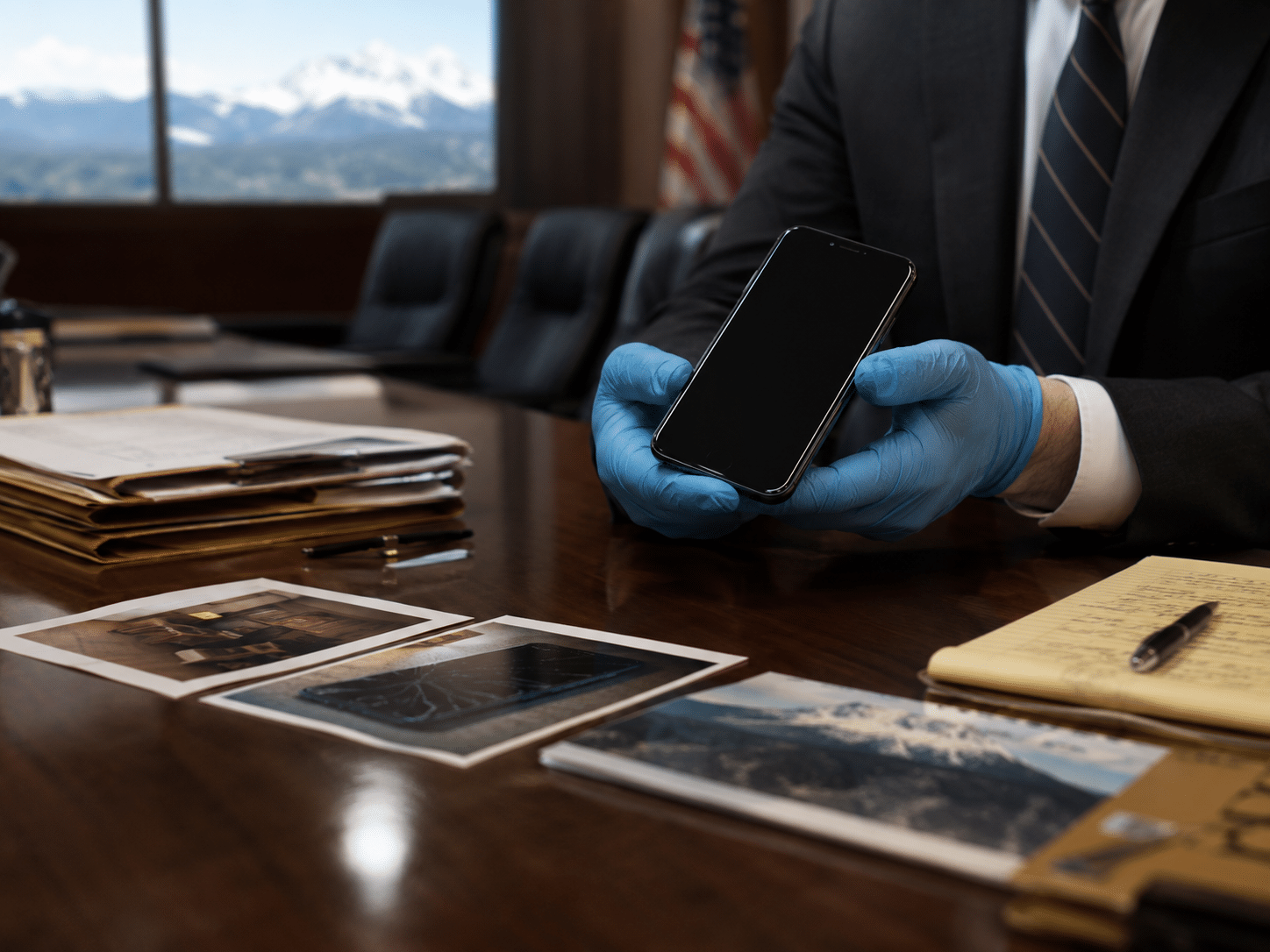
A cell phone can become one of the most important pieces of evidence in a federal criminal case. It may contain text messages, call logs, location data, photographs, videos, app records, internet searches, payment information, deleted files, and communications with people the government is also investigating. Many people do not realize how much information a phone stores until federal agents seize it, copy it, or obtain records from a provider.
We understand how frightening that can be, especially when the case involves drug allegations, conspiracy claims, sex crime accusations, fraud, firearms, or other serious federal charges. At Watkins Law Firm LLC, we help clients in Boulder and throughout the Denver area understand how digital evidence is collected, challenged, and used in criminal cases.
Why Federal Agents Focus On Cell Phones
Federal investigators often treat a phone as a map of a person’s life. It may show who you talked to, when you talked, where you traveled, what apps you used, and what files were saved or deleted. In drug cases, agents may look for coded language, money transfers, delivery details, photos, maps, and contact patterns. In sex crime investigations, they may look for messages, images, search history, account access, and communications through social media or dating apps.
The government may argue that phone evidence proves intent, knowledge, agreement, identity, or participation in a larger criminal plan. We do not accept that claim at face value. A phone may contain data that is incomplete, misunderstood, taken out of context, or connected to more than one user.
Police Usually Need A Warrant To Search Your Phone
The Fourth Amendment protects people against unreasonable searches and seizures. In Riley v. California, the United States Supreme Court held that police generally must get a warrant before searching digital information on a cell phone seized during an arrest. That rule matters because modern phones contain far more private information than a wallet, purse, or pocket.
A warrant does not give agents unlimited power. It should describe what they may search for and why there is probable cause. If the warrant is too broad, unsupported, stale, or used as a fishing trip, we may challenge the search. We also look at whether agents searched beyond the warrant’s scope, seized unrelated data, or kept digital information longer than allowed.
Provider Records Can Also Be Used
Federal agents may not need your physical phone to obtain some information. Under 18 U.S.C. § 2703, the government can seek stored communications, subscriber information, and certain account records from electronic communication service providers. Depending on the type of data, the government may use a warrant, court order, or subpoena. These requests may involve phone companies, email providers, social media companies, cloud storage services, messaging platforms, and app companies.
Provider records may show account ownership, IP addresses, login history, message metadata, location-related information, payment records, or stored content. These records can be powerful, but they are not always conclusive. A phone number, account, or IP address does not always prove who typed a message, sent a file, or used a device.
Location Data Can Be A Major Issue
Cell phones create location evidence in several ways. Location may come from cell towers, GPS data, Wi-Fi connections, app permissions, photographs, rideshare records, maps, or cloud backups. In Carpenter v. United States, the United States Supreme Court held that the government’s collection of historical cell-site location records can implicate Fourth Amendment privacy rights.
Colorado law also addresses electronic-device location information. C.R.S. § 16-3-303.5 generally restricts government access to location information from an electronic device without a warrant, subpoena, or court order, subject to exceptions. In both federal and Colorado matters, we examine how location data was obtained, whether the legal process was valid, whether the location data is accurate, and whether the government is drawing more from the data than it can fairly prove.
Text Messages Are Not Always What They Seem
Text messages are often used in federal drug, conspiracy, firearms, fraud, and sex crime cases. Prosecutors may claim that short messages, emojis, nicknames, or coded phrases prove criminal intent. We look carefully at context. A message may be a joke, a misunderstanding, a partial conversation, or language that has more than one meaning.
We also look at authorship. Federal Rule of Evidence 901 requires evidence sufficient to support a finding that an item is what the proponent claims it is. That means the government may need to connect the message to the person accused, not just to a phone number or device. If several people used the phone, knew the passcode, shared an account, or had access to the device, authorship can become a major defense issue.
Deleted Data Can Create More Problems
Many people panic after learning they are under investigation and think about deleting messages, wiping a phone, or changing accounts. That can make the situation worse. In Colorado, C.R.S. § 18-8-610 makes it a crime to tamper with physical evidence when a person believes an official proceeding is pending or about to be instituted and acts without legal right or authority. In a federal case, deleting or destroying digital evidence may also lead to obstruction-related accusations.
We tell clients not to destroy, alter, delete, reset, or hide anything after they believe law enforcement is involved. The safer step is to stop talking about the case and speak with a defense lawyer before making any decision that could be misinterpreted.
How We Challenge Cell Phone Evidence
We review the full digital evidence trail. That includes the warrant, affidavit, extraction report, forensic tools used, chain of custody, provider returns, search terms, timestamps, location data, app data, and the government’s interpretation of the material. We also look for missing context, translation issues, shared-device issues, unreliable timestamps, syncing problems, duplicate records, and unsupported assumptions.
Phone evidence may look strong at first because it feels technical. Technical evidence still has to be lawfully obtained, properly preserved, correctly interpreted, and tied to the accused person. If the government cannot meet those standards, we may seek suppression, exclusion, limitation, or a better case result.
FAQs About Cell Phone Evidence In Federal Criminal Cases
Can Federal Agents Search My Phone After An Arrest?
Federal agents generally need a warrant to search the digital contents of your phone after an arrest. The phone itself may be seized, but searching messages, photos, apps, call logs, and stored files usually requires judicial approval. There are limited exceptions, such as emergency circumstances, but those exceptions are fact-specific. If agents searched your phone without a warrant, or searched beyond what the warrant allowed, that may create a defense issue. We review the warrant, the timing, the affidavit, and the search method to determine whether the evidence can be challenged.
Can Text Messages Alone Prove A Federal Criminal Case?
Text messages can be used as evidence, but they do not automatically prove guilt. The government must show what the messages mean, who wrote them, whether they are complete, and how they fit with the rest of the evidence. Short messages can be misunderstood. Slang, jokes, nicknames, and partial conversations can be taken out of context. In conspiracy cases, prosecutors may try to use messages to prove agreement or intent. We focus on whether the government can prove authorship, meaning, and criminal purpose beyond a reasonable doubt.
Can The Government Get My Phone Records Without Having My Phone?
Yes. Federal investigators may seek records directly from providers under 18 U.S.C. § 2703. Depending on the type of information requested, they may use a warrant, court order, or subpoena. Provider records may include subscriber information, account details, IP logs, call records, stored communications, or other data. These records may not show the full story. A provider record can show that an account existed or that data passed through a service, but it may not prove who used the phone or what a message meant.
Can Location Data From My Phone Be Used In Court?
Yes, location data can be used if it was lawfully obtained and properly connected to the case. The government may use cell-site location information, GPS data, app records, map history, photographs, or other location-related records. Location evidence can be powerful, but it has limits. Cell tower data may show a general area, not an exact spot. App data may be affected by permissions, syncing, shared accounts, or device settings. We review how the location information was obtained and whether the government’s interpretation is reliable.
Should I Delete Messages If I Think I Am Under Investigation?
No. Deleting messages, wiping a phone, destroying a device, or changing accounts after you believe law enforcement is involved can create new problems. It may be treated as evidence tampering, obstruction, or consciousness of guilt. Even deleted data may be recoverable through forensic tools, backups, cloud accounts, or provider records. The better choice is to preserve the evidence, stop discussing the case, and get legal advice. A defense lawyer can help determine what should be protected, what should not be discussed, and how to respond if agents contact you.
Can Phone Evidence Be Thrown Out?
Phone evidence may be suppressed or limited if law enforcement violated constitutional rules, exceeded the warrant, lacked probable cause, mishandled the data, or failed to authenticate the evidence. The outcome depends on the facts. A court may also limit how certain evidence is used if it is unfairly prejudicial, misleading, incomplete, or not properly connected to the accused person. We examine whether the government followed the law from the first seizure through the final evidence report.
Call Watkins Law Firm LLC For Help With A Federal Criminal Case Involving Cell Phone Evidence
If your phone was seized, searched, copied, or used against you in a federal criminal case, Watkins Law Firm LLC can help. Cell phone evidence can affect drug charges, conspiracy cases, sex crime allegations, fraud investigations, firearms cases, and other serious accusations. We defend clients in Boulder and throughout the Denver area against serious state and federal criminal allegations.
Contact our Boulder federal defense attorney by calling us 24/7 at 303-507-1324 for your free consultation. Our Boulder crime defense lawyer represents clients in Boulder and throughout the Denver area from our office locations in Boulder, Colorado.
