
How Prosecutors Use Social Media As Evidence In Criminal Cases
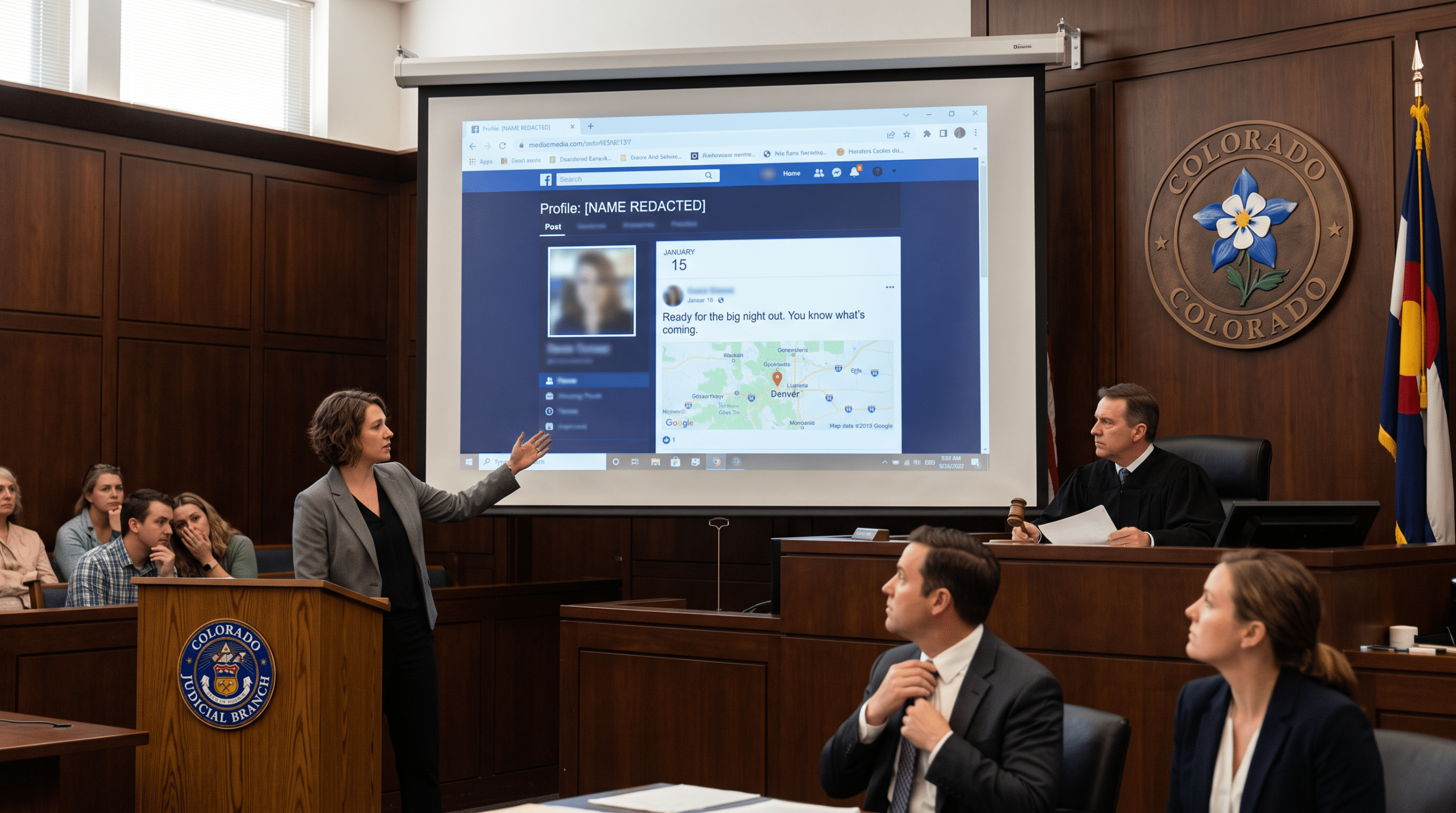
Social media can be strong evidence in a Colorado criminal case. Prosecutors may use posts, messages, photos, videos, location tags, comments, or even deleted accounts to support claims about intent, identity, motive, location, relationships, threats, drug activity, weapons, violence, or contact with an alleged victim.
Many people believe their private messages are safe, but police and prosecutors can get social media evidence through screenshots, witnesses, search warrants, subpoenas, phone extractions, or records from the platform. We have seen cases become more serious when someone posted too much, reacted emotionally online, or tried to delete evidence after learning about police involvement. At Watkins Law Firm LLC, we help clients in Boulder and the Denver area who face criminal charges where social media, text messages, phone data, or online activity are important.
Social Media Can Be Used In Many Types Of Colorado Criminal Cases
Social media evidence can show up in many types of Colorado criminal cases, such as drug charges, domestic violence, assault, theft, stalking, sex crimes, and federal investigations. For example, in a drug case, prosecutors might use photos, cash, emojis, direct messages, slang, location tags, or messages with alleged buyers. In an assault case, they could use posts about a fight, threats, group chats, or videos from before or after the event. In domestic violence cases, texts, comments, call logs, blocked-number messages, or social media contact might be used to claim a protection order was broken.
The government might use social media to try to fill in missing parts of a weak case. A photo does not always show who owns something. A message does not always prove intent. A comment could be sarcasm, exaggeration, song lyrics, reposted content, or someone else’s words. Still, if prosecutors can make a post seem related to the charge, they may try to use it in court. Using social media evidence at trial, they must show that the evidence is what they claim it is. Colorado Rule of Evidence 901 deals with authentication. In simple terms, the prosecution must present enough evidence for the judge to allow the jury to consider whether the post, message, screenshot, photo, or account is real and connected to the defendant.
Colorado courts have recognized that electronic evidence can be authenticated in several ways. The prosecution may rely on a witness who saw the post, a person who received the message, account details, photographs, profile information, phone numbers, platform records, IP data, content inside the message, timing, location, or other distinctive characteristics. This does not mean every screenshot is automatically reliable. Screenshots can be altered, accounts can be shared, phones can be borrowed, and messages can be taken out of context. We examine whether the prosecution can truly connect the content to our client.
Hearsay And Context Can Affect Whether Evidence Is Admitted
Even if a social media post is authenticated, that does not end the legal analysis. Colorado hearsay rules may still apply. Under Colorado Rules of Evidence 801 and 802, an out-of-court statement offered to prove the truth of what it says may be excluded unless a rule or exception allows it. Prosecutors may argue that a defendant’s own post or message is admissible as a statement of a party opponent, but other people’s comments, rumors, reactions, and reposts may create hearsay issues.
Context matters. A message may look damaging when read alone but mean something different when the full conversation is reviewed. A short clip may look aggressive until the full video shows what happened before and after. A post may appear incriminating until the defense shows it was old, joking, fictional, misattributed, or unrelated to the alleged crime. We do not accept the prosecution’s preferred interpretation without testing the evidence.
Social Media Evidence Can Be Unfairly Prejudicial
Colorado Rule of Evidence 403 lets a court keep out relevant evidence if its value is much less than the risk of unfair prejudice, confusion, misleading the jury, unnecessary delay, or repeating the same evidence. This is important when prosecutors try to use social media posts that make someone look bad but do not actually prove the charge.
For example, prosecutors may want to show photos of guns, cash, drugs, partying, profanity, rap lyrics, angry statements, or arguments to suggest a person has bad character. The defense may argue that the evidence is not tied closely enough to the alleged offense and would unfairly influence the jury. A criminal trial should be about proof, not assumptions based on someone’s online image. When social media evidence is inflammatory, old, vague, or unrelated, we may seek to keep it out or limit how it is used.
Deleting Posts Can Create Additional Problems
Many people panic after an arrest and delete posts, messages, videos, or accounts. That can be a serious mistake. Colorado’s tampering with physical evidence statute, C.R.S. § 18-8-610, can apply when a person believes an official proceeding is pending or about to be started and destroys, mutilates, conceals, removes, or alters physical evidence with the intent to impair its truth or availability. The statute includes records and other things of physical substance within its definition of physical evidence.
Deleting social media after finding out about an investigation can make you look suspicious and may cause prosecutors to claim you feel guilty. It can also create a new legal problem if the government thinks you destroyed evidence on purpose. If you are under investigation, do not delete, edit, or message witnesses. Talk to a defense attorney first to protect your rights and avoid new risks.
Social Media Can Affect Bond, Protection Orders, And Sentencing
Social media can cause problems before trial. A judge may consider online conduct when setting or modifying bond conditions. In domestic violence, stalking, harassment, sex crime, or witness-related cases, a post or message may be treated as contact, intimidation, harassment, or a violation of a protection order. Even indirect posts can create trouble if prosecutors argue they were aimed at the alleged victim or a witness.
Social media can also affect plea negotiations and sentencing. Prosecutors may use posts to argue that a defendant is not taking the case seriously, continues risky behavior, or poses a threat. A person may think a post is harmless venting, but the government may present it in the worst possible light. We advise clients to be careful online because a criminal case can turn normal digital behavior into courtroom evidence.
Defense Strategies For Social Media Evidence
We review social media evidence carefully. We look at who created the account, who had access to it, when the content was posted, whether the screenshot is complete, whether metadata exists, whether the post was altered, whether law enforcement preserved the original source, and whether the content is being taken out of context. We also examine whether police obtained the evidence lawfully.
If police searched a phone, we review whether there was consent, a valid warrant, or another legal basis for the search. If prosecutors rely on platform records, we review what was requested, what was produced, and whether the records actually prove what the government claims. If the case involves messages, we compare the full conversation against the selected excerpts. Small details can matter. A timestamp, missing message, shared login, fake profile, or incomplete screenshot can change the defense.
Call Watkins Law Firm LLC For Help With Social Media Evidence In A Criminal Case
If police or prosecutors are using social media, text messages, phone data, videos, or online posts against you, Watkins Law Firm LLC can help. Digital evidence can shape drug cases, domestic violence cases, assault cases, theft cases, DUI-related cases, sex crime allegations, and federal investigations. We defend clients in Boulder and throughout the Denver area against serious Colorado criminal allegations and work to challenge weak, misleading, or unlawfully obtained evidence. Contact our Boulder criminal defense attorney by calling us 24/7 at 303-507-1324 for your free consultation.
