
Can You Be Charged With DUI In Colorado For Driving After Taking Anxiety Medication?
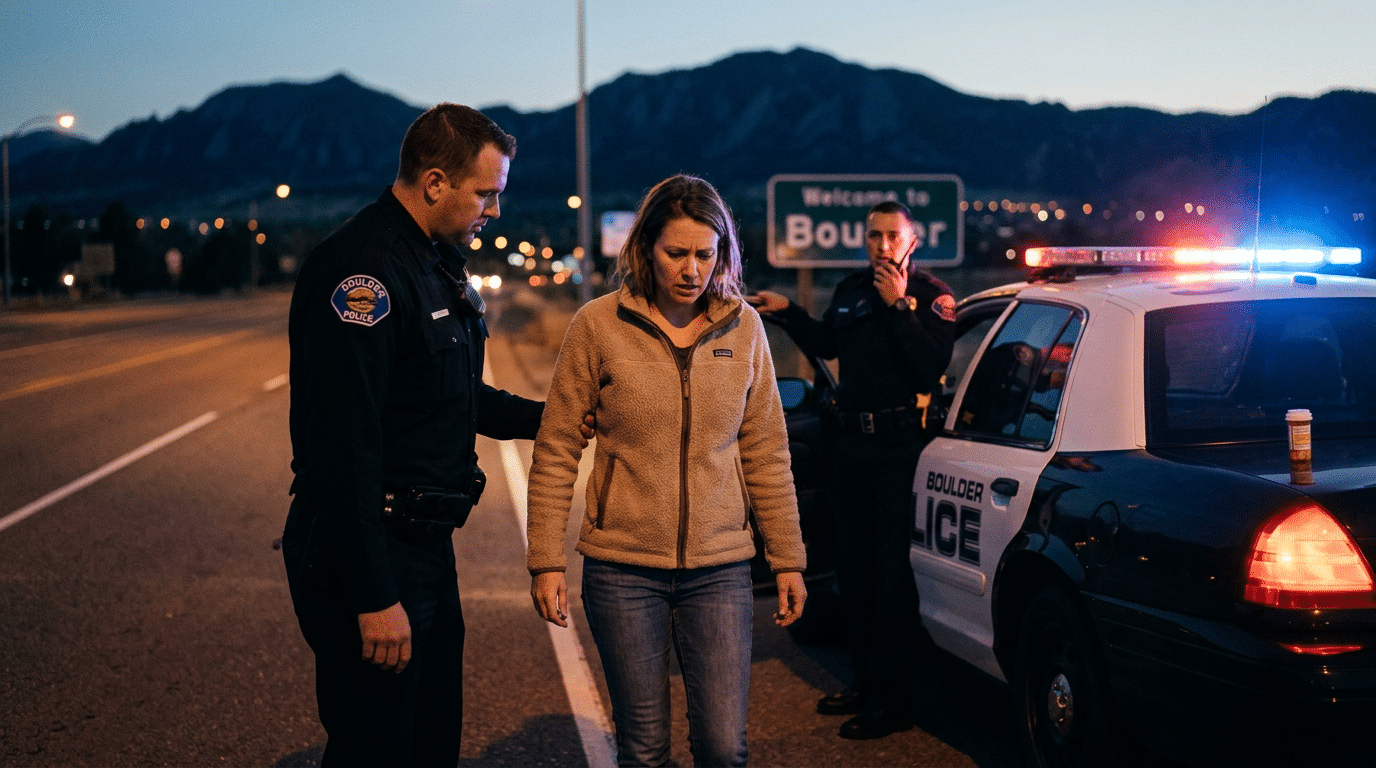
In Colorado, you can be charged with DUI after taking anxiety medication, even if it was prescribed to you. Many people are surprised by this, since they often think DUI only involves alcohol or illegal drugs. However, Colorado law covers more situations. If police think a medication affected your judgment, coordination, reaction time, concentration, or ability to drive safely, you could be arrested for DUI or DWAI.
We know this is stressful, especially if you took your medication as directed and never expected to face criminal charges. At Watkins Law Firm LLC, we help clients in Boulder and the Denver area who are accused of DUI offenses related to prescription medication, anxiety medication, alcohol, marijuana, or other substances.
Colorado DUI Law Applies To Prescription Medication
Colorado’s DUI statute, C.R.S. § 42-4-1301, applies to alcohol, drugs, or a combination of alcohol and drugs. Under Colorado law, a person can be charged with DUI if the prosecution claims that alcohol, one or more drugs, or both made the person substantially incapable of exercising clear judgment, sufficient physical control, or due care in the safe operation of a vehicle. A person can be charged with DWAI if the prosecution claims the substance affected the person to the slightest degree so that the person was less able than usual to drive safely.
That language is important because it does not only refer to illegal drugs. C.R.S. § 42-4-1301 defines “one or more drugs” broadly, including drugs as defined by Colorado law, controlled substances, and certain toxic vapors. Courts and prosecutors may apply the statute to anxiety medications, sleep medications, pain medications, antidepressants, muscle relaxers, and other lawful prescriptions if the government claims the medication impaired driving.
A Prescription Is Not A Complete Defense
Many people ask whether they can still be charged if the medication was prescribed by a doctor. The answer is yes. Colorado law states that being legally entitled to use a drug is not, by itself, a defense to DUI or DWAI. That means a prescription may explain why the medication was in your system, but it does not automatically defeat the charge.
This does not mean the prosecution will automatically win. They still have to prove you were impaired at the time you were driving. Just having a prescription, a medication history, or a blood test result does not always show unsafe driving. Many people take anxiety medication regularly and drive without problems. Some only have side effects if their dosage changes, if they mix medication with alcohol or other prescriptions, or if they are tired or sick. We look at the real evidence, not just what is on a medication label.
Anxiety Medication Can Be Misread During A Traffic Stop
Some anxiety medications may cause drowsiness, slowed reaction time, confusion, poor balance, or slurred speech in certain people. Anxiety itself can also make a traffic stop look worse than it is. A person who is nervous, embarrassed, tired, or having a panic response may appear shaky, distracted, emotional, or slow to answer questions. Those signs can be mistaken for impairment.
Field sobriety tests can also be misleading. Balance tests may be affected by footwear, road conditions, medical issues, age, anxiety, injuries, lighting, traffic noise, and officer instructions. Eye exams may be affected by medical conditions or officer error. In a drug-related DUI case, police may call a drug recognition evaluator, request a blood test, or rely on observations such as speech, pupils, coordination, and behavior. We examine whether those observations were reliable and whether there are innocent explanations for what the officer claimed to see.
Chemical Testing In Prescription Drug DUI Cases
Colorado’s Expressed Consent law, C.R.S. § 42-4-1301.1, allows officers to request testing when they have probable cause to believe a person drove under the influence or while their ability is impaired by alcohol, drugs, controlled substances, or a combination of substances. For drug-related cases, the statute refers to blood, saliva, and urine testing when reasonably required to determine drug content. Testing must be administered at the direction of a law enforcement officer with probable cause and in accordance with rules concerning health and accuracy.
A lab result can show that a medication was present, but that does not always answer the real question. The key issue is whether the medication impaired the driver at the time of driving. Some drugs remain detectable after their strongest effects have passed. Some prescribed medications may appear in a person’s system even when taken as directed. Blood concentration, timing, tolerance, dosage, drug interactions, and medical history may all matter. We look closely at the testing method, chain of custody, lab interpretation, and whether the result actually supports the officer’s conclusions.
License Consequences After A Medication-Related DUI Arrest
A prescription medication DUI can also create driver’s license problems. C.R.S. § 42-2-126 governs Colorado administrative license revocation in alcohol and drug-related driving cases. The Colorado Department of Revenue explains that the DMV case is separate from the criminal case, and a driver may still face a revocation even if the criminal DUI case is dismissed.
Colorado’s Express Consent process has short deadlines. The Department of Revenue states that a person who receives an Express Consent Affidavit and Notice of Revocation, or receives notice by mail after a blood test, generally has up to seven days to request a hearing. If the hearing is not requested on time, the revocation may take effect.
License consequences can affect work, parenting, medical care, school, and daily life. A medication-related DUI may also cause special problems for people who drive for work, hold a commercial driver’s license, or need transportation as part of a professional license or security clearance.
Penalties For DUI, DWAI, And Repeat Offenses
DUI and DWAI penalties are serious even when the allegation involves prescribed anxiety medication instead of alcohol. C.R.S. § 42-4-1307 defines DUI and DWAI for penalty purposes and sets sentencing consequences for alcohol and drug-related traffic offenses. A conviction may involve jail, fines, probation, community service, substance evaluation, treatment, monitored sobriety, and other court conditions.
Repeat offenses increase the risk. Colorado law treats prior DUI, DWAI, DUI per se, vehicular assault while impaired, vehicular homicide while impaired, and similar qualifying offenses seriously. A fourth or subsequent qualifying offense can be charged as a class 4 felony under C.R.S. § 42-4-1301.
Even a first medication-related DUI can create long-term harm. A conviction can affect employment, insurance, professional licensing, immigration status, family responsibilities, and background checks. For people who rely on anxiety medication to function, the case can also create fear about future medical treatment and whether it is safe to keep driving while prescribed medication is being adjusted.
Defense Issues In An Anxiety Medication DUI Case
We do not assume that a prescription drug DUI case is valid just because medication appears in a lab report. We review the stop, arrest, officer observations, body camera footage, field sobriety tests, drug recognition evidence, chemical testing, lab records, medical explanations, and the timeline between medication use and driving. We also look for signs that the officer confused anxiety, panic symptoms, fatigue, trauma, or a medical condition with impairment.
Important defense questions include whether there was a lawful reason for the stop, whether the officer had probable cause, whether testing was handled correctly, whether the medication level supports impairment, whether the driver took the medication as prescribed, whether alcohol or other substances were involved, and whether the prosecution can prove impairment beyond a reasonable doubt. A careful defense may lead to reduced charges, dismissal, suppression of evidence, a better plea position, or a stronger trial defense.
FAQs About Anxiety Medication And DUI In Colorado
Can I Get A DUI In Colorado For Taking Prescribed Anxiety Medication?
Yes. Colorado law allows DUI and DWAI charges based on drugs, including lawfully prescribed medication, if the prosecution claims the medication impaired your ability to drive safely. A prescription explains why the medication was in your system, but it does not automatically prevent a charge. The government must still prove impairment or ability impairment. That proof may come from officer observations, driving behavior, field sobriety tests, drug recognition evidence, blood testing, or statements made during the stop. We challenge whether the evidence truly shows impairment at the time of driving.
Is It A Defense That My Doctor Prescribed The Medication?
A valid prescription is helpful, but it is not a complete defense by itself. Colorado law provides that being legally entitled to use a drug does not automatically defeat a DUI or DWAI charge. Still, the prescription can matter. It may show lawful use, regular dosage, medical need, and tolerance. It may also help explain why a substance appeared in a blood test. The defense usually focuses on whether the medication actually impaired driving, whether the officer misread symptoms, and whether the prosecution can prove the case beyond a reasonable doubt.
What If I Took The Medication Exactly As Directed?
Taking medication as directed can be an important fact, but it does not automatically end the case. Some prescribed medications can affect driving even when taken properly, while other people can take the same medication without impairment. The prosecution must connect the medication to unsafe driving or impaired ability. We examine dosage, timing, side effects, tolerance, drug interactions, medical records, driving facts, and test results. If the evidence only shows that medication was present, that may not be enough to prove DUI or DWAI.
Can Anxiety Look Like Impairment During A Traffic Stop?
Yes. Anxiety can cause shaking, sweating, rapid speech, slow responses, confusion, nervous behavior, and trouble focusing. A panic response can make a person look impaired even when they are not. Traffic stops are stressful, especially when a driver is being questioned by police at night, on the side of the road, or after a minor driving mistake. We often compare the officer’s report with body camera footage to see whether the claimed signs of impairment are accurate, exaggerated, or explained by anxiety rather than medication impairment.
Can I Lose My License After A Prescription Medication DUI?
Yes. A DUI or DWAI arrest involving drugs can create license consequences through the Colorado DMV. The DMV case may be separate from the criminal case, and there may be a short deadline to request an Express Consent hearing. If you miss the deadline, your license may be revoked even before your criminal case is finished. License consequences can affect your job, family, school, and medical appointments. That is why it is important to speak with a defense attorney quickly after the arrest.
Should I Tell Police What Medication I Took?
You should be careful. Many people believe that explaining their prescription will clear things up. Sometimes it does the opposite. A statement about medication use can become part of the prosecution’s case, especially if the officer already suspects drug impairment. You have the right to remain silent and the right to request legal counsel after arrest. You should provide legally required identification and comply with lawful orders, but you should not try to talk your way out of a DUI investigation. We can help you address prescription evidence in a safer and more strategic way.
Call Watkins Law Firm LLC For Help With A Medication-Related DUI Charge
If you were charged with DUI, DWAI, or DUID after taking anxiety medication or another prescription drug, Watkins Law Firm LLC can help. We defend clients accused of alcohol-related DUI, drug-related DUI, prescription medication DUI, and other criminal driving offenses in Boulder and throughout the Denver area. We understand how damaging this kind of charge can be for your record, license, job, family, and future. Contact our Boulder DUI attorney by calling us 24/7 at 303-507-1324 for your free consultation.
