
What Happens At A Federal Detention Hearing In Colorado?
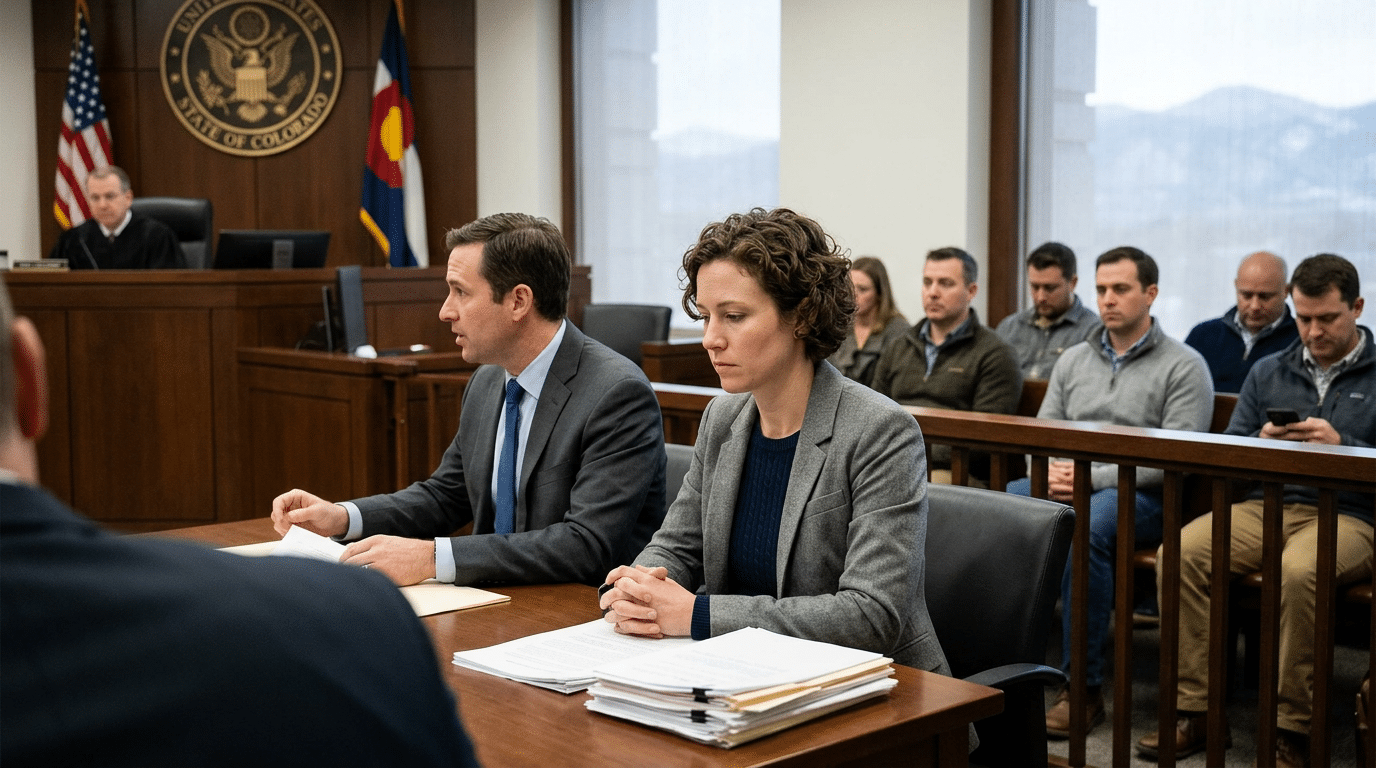
A federal detention hearing in Boulder decides if you can go home while your case is pending or if you must stay in custody as the case moves forward. For many, this is one of the most important hearings in a federal case. The judge is not deciding guilt or innocence yet, but the outcome can affect your defense, job, family, and your ability to help prepare your case.
Federal prosecutors might claim you are a danger to the community, a flight risk, or both. We know how stressful this hearing can be, especially in cases involving federal drug charges, weapons, fraud, sex crimes, or a federal indictment in the District of Colorado.
A Federal Detention Hearing Is Different From A Colorado Bond Hearing
Federal court uses a different system than Colorado state court. In state cases, the focus is often on the bond amount, bond conditions, or personal recognizance. In federal court, the judge looks at a bigger picture. The judge must decide if any conditions can make sure the accused will show up in court and not pose a danger to anyone or the community.
Federal detention hearings are governed by 18 U.S.C. § 3142. That statute controls release and detention decisions in federal cases throughout the United States, including cases filed in the United States District Court for the District of Colorado. Colorado criminal law may still matter if the person has state criminal history, pending Colorado charges, probation, parole, protection orders, or state court bond conditions. However, the federal judge applies federal law when deciding whether to release or detain a person pending trial.
When Does A Federal Detention Hearing Happen?
A detention hearing usually occurs early in the federal case, often shortly after arrest A detention hearing usually happens early in a federal case, often soon after arrest and the first court appearance. At that first appearance, the accused learns about the charges, the right to a lawyer, and other basic rights. If the government wants detention, the court may hold the hearing right away or delay it briefly so both sides can get ready.se may need time to gather information about work history, family support, medical needs, treatment, housing, travel history, community ties, and proposed release conditions. We prepare for detention hearings with the understanding that the judge may make a decision that affects the entire defense strategy.
What The Judge Considers Under Federal Law
Under 18 U.S.C. § 3142(g), the judge looks at several things when deciding on release or detention. The court considers the nature of the offense, such as whether it involves drugs, firearms, violence, minor victims, or other serious charges. The judge also looks at the strength of the evidence, the person’s background, family ties, job, finances, how long they have lived in the community, criminal history, record of showing up in court, and whether they were on probation, parole, or release at the time.
The judge also thinks about how serious any danger might be if the person is released. This does not mean the person is guilty. The court is just assessing risk before trial. We aim to show the court a complete picture of our client, not just what the government claims.
Why Federal Drug Cases Often Create Detention Problems
Federal drug cases can be especially difficult at detention hearings. Under 18 U.S.C. § 3142(e), certain serious drug offenses can create a rebuttable presumption that no condition or combination of conditions will reasonably assure appearance and community safety. This can apply in cases involving controlled substance offenses with a maximum penalty of ten years or more under federal law.
A rebuttable presumption does not mean detention always happens. It means the defense must be ready to respond. The court may want real evidence of stable housing, work history, no violence, treatment needs, family support, a limited criminal record, or other facts that lower risk. In federal drug cases, prosecutors may use claims about drug amounts, wiretaps, surveillance, informants, controlled buys, firearms, past convictions, or a person’s role in a group. We look at these claims closely and challenge anything not backed by solid facts.
What Conditions Of Release May Be Ordered?
If the judge allows release, the court may set strict conditions. These can include supervision by federal pretrial services, travel limits, giving up your passport, no contact with certain people, no firearms, no drugs or alcohol, drug testing, substance abuse or mental health treatment, location monitoring, home detention, curfew, work requirements, and sometimes limits on phone or internet use.
A release order is serious and must be followed. Breaking federal release conditions can lead to being arrested again, losing release, or facing new charges. We make sure clients understand the rules before they leave court, because even a small mistake can cause big problems.
What Happens If The Judge Orders Detention?
If the judge orders detention, the person remains in federal custody while the case is pending unless the decision is later changed. Detention can make life harder. It can interfere with employment, parenting, housing, treatment, and the ability to help the defense team gather records and witnesses. It can also increase pressure to accept a plea agreement, even when there may be valid defenses.
Sometimes, a detention order can be challenged. The defense can ask another judge to review the decision or request a new hearing if new important information comes up. This might include a better release plan, confirmed housing, treatment options, medical records, proof of employment, or other facts that were not available before. We treat detention decisions as urgent, because acting quickly can change the course of the case.
How We Prepare For A Federal Detention Hearing
We prepare for a detention hearing by building a release plan. That may include proof of residence, family support, employment, medical care, treatment options, transportation, financial stability, and ties to Colorado. We also review the government’s allegations and look for weak points in the detention argument. If prosecutors claim danger, we examine whether the claim is based on actual conduct or broad assumptions. If they claim flight risk, we look at court history, community ties, citizenship, family, work, and whether the person has appeared in past cases.
In federal court, preparation can make a real difference. A judge needs reliable information, not promises. We work to present facts that show the client can follow court orders, return to court, avoid new allegations, and remain safely in the community while the case is pending.
FAQs About Federal Detention Hearings In Colorado
Is A Federal Detention Hearing The Same As A Trial?
No. A federal detention hearing is not a trial, and the judge is not deciding whether you are guilty. The hearing focuses on whether you should be released or detained while the case is pending. The court considers risk of flight and danger to the community under 18 U.S.C. § 3142. The government may present evidence, but the rules are different from trial. The defense can present information about your background, family support, employment, housing, medical needs, treatment, and release plan. A strong detention strategy can help keep you out of custody while the case moves forward.
Can The Judge Release Me Even If The Federal Charge Is Serious?
Yes, release may still be possible in serious cases, but it depends on the charge, the evidence, your history, and the release plan. Some federal charges create a rebuttable presumption of detention, especially certain serious drug cases. That presumption makes the hearing harder, but it does not end the issue. The defense can present facts showing that conditions such as pretrial supervision, home detention, location monitoring, testing, treatment, travel restrictions, or third-party support can address the court’s concerns. The more serious the charge, the more important preparation becomes.
What Is The Rebuttable Presumption In A Federal Drug Case?
A rebuttable presumption means the law starts with the assumption that detention may be appropriate in certain cases. Under 18 U.S.C. § 3142(e), this can apply to certain serious federal drug offenses carrying a maximum sentence of ten years or more. The defense then has the burden to produce information showing why release conditions can still work. The judge must still consider the full record. We may present employment history, lack of violence, family ties, treatment options, housing, medical needs, and weaknesses in the government’s claims. The goal is to show that detention is not necessary.
What Conditions Could I Face If Released?
Federal release conditions can be strict. You may have to report to pretrial services, stay in Colorado, avoid contact with certain people, surrender a passport, submit to drug testing, attend treatment, avoid firearms, follow a curfew, or comply with location monitoring. In some cases, the court may restrict internet use, phone contact, travel, or employment activity. The exact conditions depend on the case. Violating a release condition can bring you back to court and may result in detention. We explain the conditions clearly because compliance is part of protecting the defense.
Can A Federal Detention Decision Be Changed Later?
Sometimes. A detention hearing may be reopened if there is new information that was not known at the time of the hearing and that is material to release or detention. A person may also seek review of a detention order in certain circumstances. Examples of new information may include a verified treatment bed, stable housing, medical records, a stronger third-party custodian, employment confirmation, or corrected facts about the government’s claims. Not every case qualifies for a new hearing, but detention should not always be treated as the final word without review.
Why Should I Hire A Defense Lawyer Before A Federal Detention Hearing?
A federal detention hearing can shape the entire case. If you are detained, it becomes harder to work, support your family, gather documents, meet with counsel, and participate in your defense. Federal prosecutors may come to court prepared with agents, reports, criminal history, and arguments for detention. The defense needs to be prepared with facts, records, witnesses, and a realistic release plan. We work quickly to address the court’s concerns and present the strongest available argument for release.
Call Watkins Law Firm LLC For Help With A Federal Detention Hearing In Colorado
If you or a loved one is facing a federal detention hearing in Colorado, Watkins Law Firm LLC can help. These hearings move quickly, and the outcome can affect your freedom, job, family, and defense strategy. We represent clients in Boulder and throughout the Denver area in serious criminal matters, including federal drug cases and related criminal allegations.
Contact our Boulder federal defense attorney by calling us 24/7 at 303-507-1324 for your free consultation. Our Boulder criminal defense lawyer represents clients in Boulder and throughout the Denver area from our office locations in Boulder, Colorado.
