
Can I Get a DUI If I Was Sleeping in My Car?
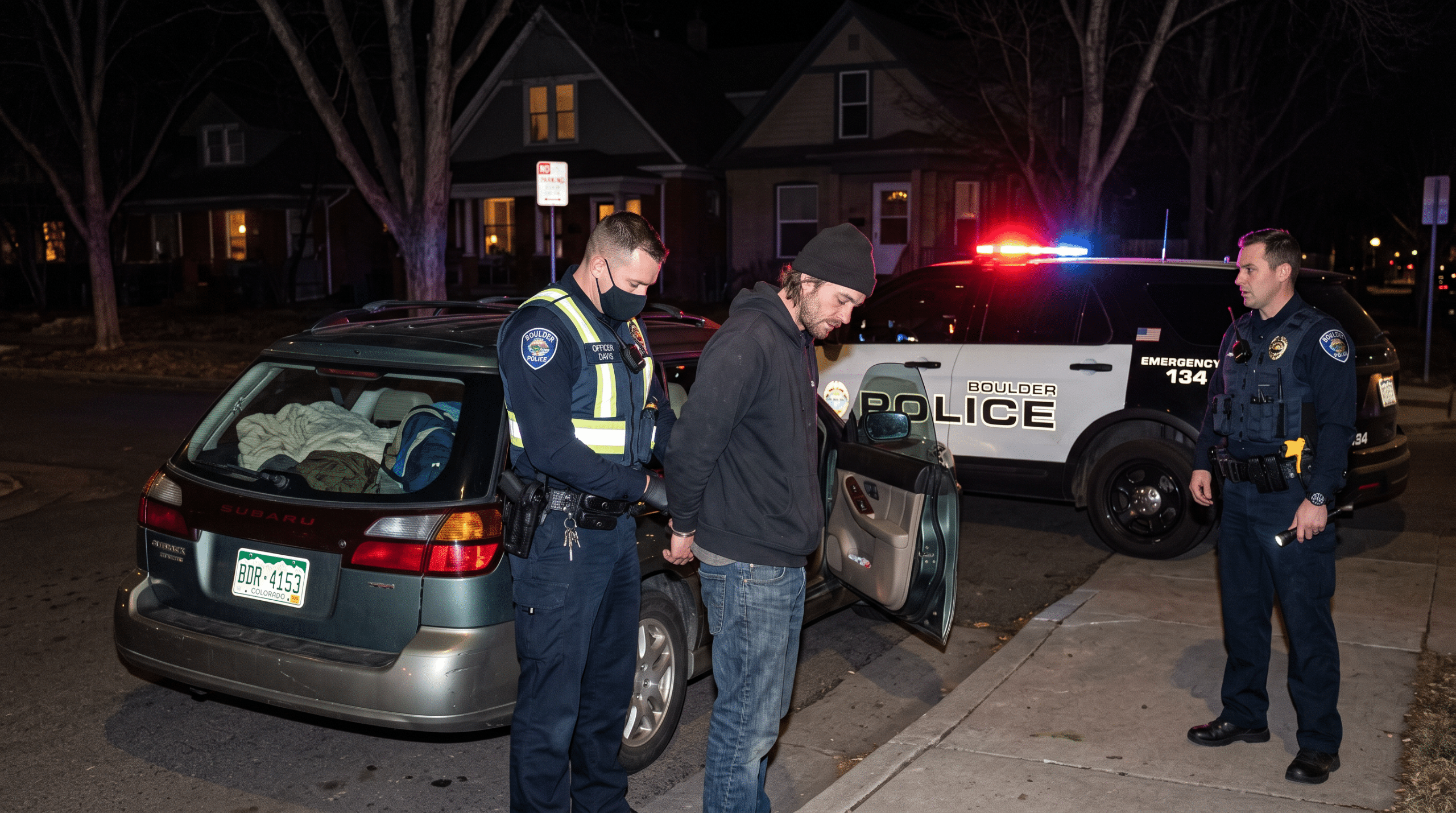
Sleeping in your car might feel like the right thing to do if you know you shouldn’t drive. However, in Boulder, you can still be arrested for DUI or DWAI even if an officer finds you asleep in a parked car. The main question is whether the prosecution can show that you drove or had ‘actual physical control’ of the vehicle while impaired. This depends on details like where you were sitting, if the engine was running, if the keys were nearby, where the car was parked, and what you told the police. We understand how frustrating these cases can be, especially when people are trying to do the right thing. At Watkins Law Firm LLC, we help clients in Boulder and the Denver area when a parked-car situation leads to a DUI charge.
Colorado DUI Law And Actual Physical Control
Colorado DUI and DWAI offenses are governed by C.R.S. § 42-4-1301. A person may be charged with DUI if alcohol, drugs, or a combination of both made the person substantially incapable of safely operating a vehicle. A person may be charged with DWAI if alcohol, drugs, or both affected the person to the slightest degree so that the person was less able than usual to drive safely. Colorado also recognizes DUI per se when a person drives with a blood alcohol content of 0.08 or more at the time of driving or within two hours after driving.
In sleeping-in-car cases, the key issue is what counts as ‘driving.’ Colorado law says that driving can also mean having actual physical control of a vehicle. This means the prosecution might argue you did not have to be seen moving the car if you had enough control to pose a risk of driving. Courts look at things like whether you were in the driver’s seat, if the engine was on, if the car could move from where it was parked, and if you had access to the keys.
When Sleeping In A Car Can Lead To A DUI Arrest
Police can arrest someone for DUI if they find them asleep behind the wheel. This might happen in a parking lot, on the roadside, outside a bar, near a home, or in a running car during cold weather. Officers may think the person drove there while impaired, planned to drive, or had control of the vehicle.
Small details often make a big difference in these cases. For example, someone asleep in the driver’s seat with the engine running faces a different situation than someone asleep in the back seat with the keys put away. A car parked safely in a private lot is different from one stopped on the highway shoulder. If the vehicle is off, locked, and can’t move, that’s a different defense than if the engine is running and the gear shift is easy to reach. No single fact decides every case. The whole situation matters.
Why What You Say To Police Can Hurt The Case
In many parked-car DUI cases, what the driver says becomes important evidence. Officers might ask where you came from, when you stopped driving, how much you drank, where the keys are, if you planned to drive home, or if you used marijuana, prescription drugs, or other substances. These answers might seem harmless at the time, but they can help the prosecution prove driving, impairment, timing, or control of the vehicle.
For example, if you say ‘I only drove a few blocks,’ that can be used as evidence you were driving. If you say ‘I was about to leave,’ it might show you intended to drive. Saying ‘I had two drinks an hour ago’ can help connect your drinking to the time you were in the car. Even trying to explain that you were being responsible can give police the information they need.
How To Invoke The Fifth Amendment During A DUI Investigation
The Fifth Amendment protects you from being forced to make statements that may incriminate you. In a DUI investigation, you should state your right clearly and calmly. You can say: “I am invoking my Fifth Amendment right to remain silent. I do not want to answer questions. I want to speak with an attorney.”
Making that statement is important. Just staying silent may not always stop the questions like you might expect. Saying it clearly helps make a better record. You don’t have to be rude or argue with the officer, and you don’t have to explain why you are using your rights. After you say it, stop answering any more questions about the investigation.
You may still have to give basic information like your name, license, registration, or insurance if the law requires it. Do not lie, make up a story, or guess. Lying can cause new legal problems and make your defense harder. It is safer to stay silent than to give a false or harmful explanation.
What Happens If You Do Not Plead The Fifth?
If you do not clearly say you want to remain silent, police may keep asking questions. What you say can end up in the police report, on body camera video, in DMV hearings, and in your criminal case. Prosecutors may use your words to show you drove, were impaired, had control of the car, or planned to drive.
Many people talk to police because they think it will help them avoid arrest. In DUI cases, this usually does not work once the officer suspects impairment. The officer is likely already looking for evidence. Answers to field sobriety tests, admitting to drinking or drug use, travel details, and reasons for sleeping in the car can all become evidence. While the defense can sometimes challenge these statements, it is better not to make them in the first place.
Chemical Tests And Express Consent Are Different From Talking
Invoking the Fifth Amendment is not the same as refusing a chemical test. Colorado Express Consent law can require a driver to submit to a breath or blood test when an officer has reasonable grounds to believe the person drove under the influence or while impaired. Refusing a chemical test can lead to driver’s license consequences under C.R.S. § 42-2-126. Colorado’s Express Consent process is separate from the criminal court case, and the driver may have a short deadline to request a DMV hearing after receiving a Notice of Revocation.
This difference matters. You can choose to remain silent and still make a separate choice about chemical testing. You can refuse to answer questions without resisting officers or getting in the way of the investigation. If you are unsure, ask to speak with a lawyer, but remember that chemical testing deadlines and DMV rules can move fast.
Defenses In A Sleeping-In-The-Car DUI Case
We carefully check if the prosecution can prove actual physical control. We look at where the car was parked, where our client was inside the car, if the engine was on, if the keys were easy to reach, if the car could move, if the person had just driven, if there were witnesses, and if police made any assumptions without proof.
We also review the stop or welfare check, body camera footage, field sobriety tests, breath or blood testing, officer reports, and any alleged statements. If the officer questioned the person after custody without proper warnings, or if consent or statements were obtained through pressure, those issues may become important. In some cases, the strongest defense is that the person was not driving and did not have actual physical control. In other cases, the defense may focus on weak impairment evidence, unreliable testing, timing problems, or constitutional violations.
Call Watkins Law Firm LLC For Help With A Sleeping-In-The-Car DUI Charge
If you were arrested for DUI or DWAI after sleeping in your car, Watkins Law Firm LLC can help. These cases often turn on facts that police may misunderstand or overstate. We review actual physical control, officer questioning, alleged statements, chemical testing, body camera footage, DMV issues, and constitutional defenses.
Contact our Boulder DUI defense attorney by calling us 24/7 at 303-507-1324 for your free consultation. Our Boulder defense lawyer represents clients in Boulder and throughout the Denver area from our office locations in Boulder, Colorado.
