
Why You Should Not Explain Yourself To Police After A Boulder Arrest
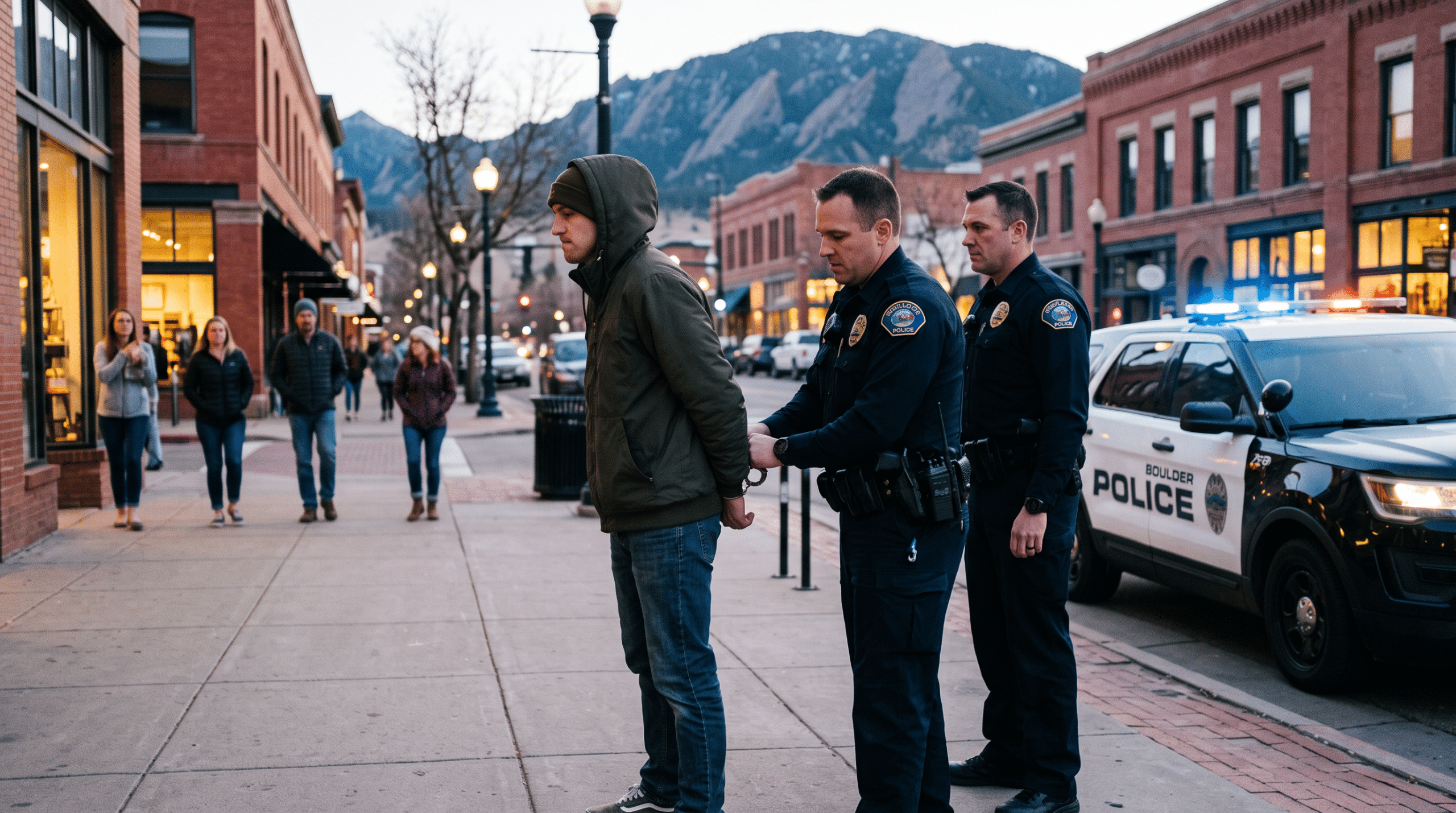
If you are arrested in Boulder, it is natural to want to explain yourself. Many people hope to show police they are not dangerous or that there has been a misunderstanding. However, talking to officers can cause serious legal trouble. Police are trained to collect evidence, and anything you say might be used against you. We have seen people hurt their own cases by trying to talk their way out of an arrest, when it would have been safer to stay calm, ask for a lawyer, and stop answering questions. At Watkins Law Firm LLC, we help people in Boulder and the Denver area who are facing criminal charges and need guidance during the critical first hours after an arrest.
Police Are Not There To Clear Things Up For You
When police question you after an arrest, they are not trying to help you. Officers often already think a crime happened. They may be looking for you to admit something, give inconsistent answers, or provide details like names, places, phone records, or information about drugs or relationships. Even a friendly conversation can end up as evidence.
You might think, “I’ll just explain my side.” But your explanation can be misunderstood, shortened in a police report, taken out of context, or compared to other evidence later. Even a small mistake about time, distance, who was there, or what happened first can look like a lie. In Colorado, prosecutors can use your own words to support charges for DUI, drug crimes, domestic violence, assault, theft, sex crimes, federal offenses, and more.
Your Right To Remain Silent Matters
The Fifth Amendment protects you from having to say anything that could incriminate yourself. Under Miranda rules, if you are in custody and police question you, they usually must tell you about your right to remain silent and your right to a lawyer before using your statements in court. The main thing to remember is that you do not have to answer questions about the alleged crime.
You should clearly say you want to remain silent and that you want a lawyer. After that, stop talking about what happened. Do not keep explaining after you have asked for your rights. Do not answer even one more question, and do not try to correct the officer’s story. Once you are arrested, the safest thing to say is, “We want an attorney before answering questions.”
Miranda Does Not Protect Every Statement
Many people misunderstand how Miranda works. Some think police must read your rights right after every arrest or the case will be thrown out. That is not true. If you talk on your own before questioning, during booking, in the patrol car, at the jail, or while talking to someone else, those statements can still cause problems.
It is possible to challenge Miranda issues, but it is better not to make harmful statements at all. If you blurt out details, apologize, explain possession, admit drinking, talk about a fight, or comment on evidence, you might give prosecutors information they did not have. We can fight illegal questioning, but it is much harder to take back words that have already been said.
Explanations Can Create New Charges
Talking to police can do more than support the original charge. It can also lead to new accusations. Under C.R.S. § 18-8-111, you can be charged with false reporting if you knowingly give police false information in certain situations. Even a statement that seems minor at the time can become a separate charge if officers think it was false.
A person may also create obstruction concerns. C.R.S. § 18-8-104 addresses obstructing a peace officer when someone knowingly obstructs, impairs, or hinders law enforcement through force, threats, physical interference, or an obstacle. We are not saying silence is obstruction. It is not. The risk comes when a frightened person argues, interferes, misleads, or acts in a way police claim blocked their investigation.
Tampering with physical evidence is another concern. C.R.S. § 18-8-610 applies when a person believes an official proceeding is pending or about to begin and destroys, alters, conceals, or removes physical evidence with intent to impair its use. Trying to “fix” a situation by deleting messages, throwing something away, moving property, hiding drugs, or changing evidence can make the case far worse.
Drug Cases Often Turn On Statements
In drug cases, police might not have enough proof of possession, distribution, intent, or knowledge unless you say something. If drugs are found in a car, shared apartment, hotel room, backpack, or common area, officers may ask questions to link the drugs to you. They might ask who owns the bag, where you were going, if you knew what was inside, who you were meeting, or if the drugs were for personal use.
These questions are risky. You might admit you knew about the drugs without meaning to. You could deny owning them but admit you were nearby. Naming someone else can lead to more investigation. In distribution cases, talking about money, messages, scales, amounts, or other people can become key evidence. We often look at whether the government can prove possession without using your own words.
Domestic Violence And Assault Cases Are Especially Risky
After a domestic violence or assault arrest, emotions run high. You may want to explain that the other person started it, that injuries were accidental, that police misunderstood the argument, or that your relationship history matters. These facts might be important, but they should be shared with your lawyer, not in a quick police interview.
Colorado domestic violence cases can include protection orders, bond conditions, no-contact rules, child issues, and family court matters. What you say to police can affect more than just the criminal case. Your words might be used in bond hearings, plea talks, protection order hearings, custody battles, or probation decisions. We want your story told the right way, not reduced to a few harmful lines in a report.
DUI Statements Can Damage The Defense
In DUI, DWAI, or DUID cases, police may ask where you were coming from, how much you drank, when you last used marijuana, if you took medication, if you felt impaired, or if you knew you should not drive. These questions may seem routine, but your answers can help prove impairment, timing, and what you knew.
You must give basic identifying information if required by law, and you should never physically resist. But you do not have to talk about drinking, drug use, driving details, or what happened during the arrest. DUI defense often focuses on testing problems, officer observations, stop issues, timing, field sobriety tests, and chemical evidence. Saying more can make your defense harder.
What To Say Instead
If you are arrested in Boulder, stay calm and respectful. Do not argue with police, do not lie, and do not destroy evidence. Do not try to explain your case. Simply say you want to remain silent and that you want a lawyer. Then stop talking about what happened.
This is not about hiding the truth. It is about protecting your rights. Your defense team can look into witnesses, review video, check reports, challenge illegal searches, analyze tests, and share your side in a safe and legal way. The first talk with police is almost never the right time to defend yourself.
FAQs About Talking To Police After A Boulder Arrest
Should I Explain My Side To Police If I Am Innocent?
No, not unless you have a lawyer with you. Even innocent people can say things that are misunderstood, incomplete, or later used against them. Police may ask questions that assume things that are not proven. After an arrest, you might be nervous, tired, upset, or confused, which can lead to mistakes. Even if you did nothing wrong, your words could help the prosecution build their case. The safest thing is to say you want to remain silent and want a lawyer before answering any questions.
Can Police Use What I Say Before They Read My Rights?
Sometimes, yes. Miranda usually applies when you are being questioned in custody. If you talk on your own before questioning, or if police say you were not in custody yet, prosecutors may try to use what you said. This is why it is risky to talk at the scene, in the patrol car, during booking, or at the jail. We can check if your rights were violated, but the best protection is not to make statements about the case at all.
Is Refusing To Answer Questions The Same As Obstruction?
No. Clearly saying you want to remain silent is not obstruction. You have the right not to answer questions about the alleged crime. Problems happen if you argue, interfere physically, give false information, hide evidence, or do something police say blocked their investigation. Staying calm, respectful, and silent is not the same as obstructing. You can protect yourself by asking for a lawyer and not talking about the facts.
What If Police Say They Just Want To Hear My Side?
You should still be careful. When police say they just want to hear your side, it can make you feel safe enough to talk. But once you start explaining, officers may ask more questions to get you to admit something or catch inconsistencies. Your statement might be summarized in a report, recorded on body camera, or used in court. Your side of the story is important, but it should be shared through your lawyer after the evidence is reviewed. In criminal defense, timing and wording are important.
Can I Ask For A Lawyer And Then Change My Mind?
You can decide to talk later, but doing so without a lawyer’s advice can be a big mistake. Once you ask for a lawyer, it is best to stop answering questions and wait until your lawyer is there. Police may try to keep chatting or make comments to get you to talk again. Do not fall for that. Asking for a lawyer protects your rights only if you stop talking about the case.
What Should I Do If I Already Talked To Police?
Do not panic, but stop talking. Write down everything you remember about the conversation, such as where it happened, who was there, if you were handcuffed, if your rights were read, if the conversation was recorded, and what questions were asked. Then talk to a defense lawyer as soon as possible. We can review body camera footage, reports, recordings, and Miranda issues to see if your statement can be challenged or limited.
Call Watkins Law Firm LLC After A Boulder Arrest
If you were arrested in Boulder and police questioned you, asked for a statement, searched your property, or used your words against you, Watkins Law Firm LLC can help. Getting legal help early can make a big difference in drug cases, DUI cases, domestic violence charges, assault, theft, sex crime accusations, and federal investigations. We look at what police did, what was said, whether your rights were violated, and how to protect you going forward. Contact our Boulder criminal defense attorney by calling us 24/7 at 303-507-1324 for your free consultation.
