
Can Police Search Your Cell Phone Without A Warrant In Colorado?
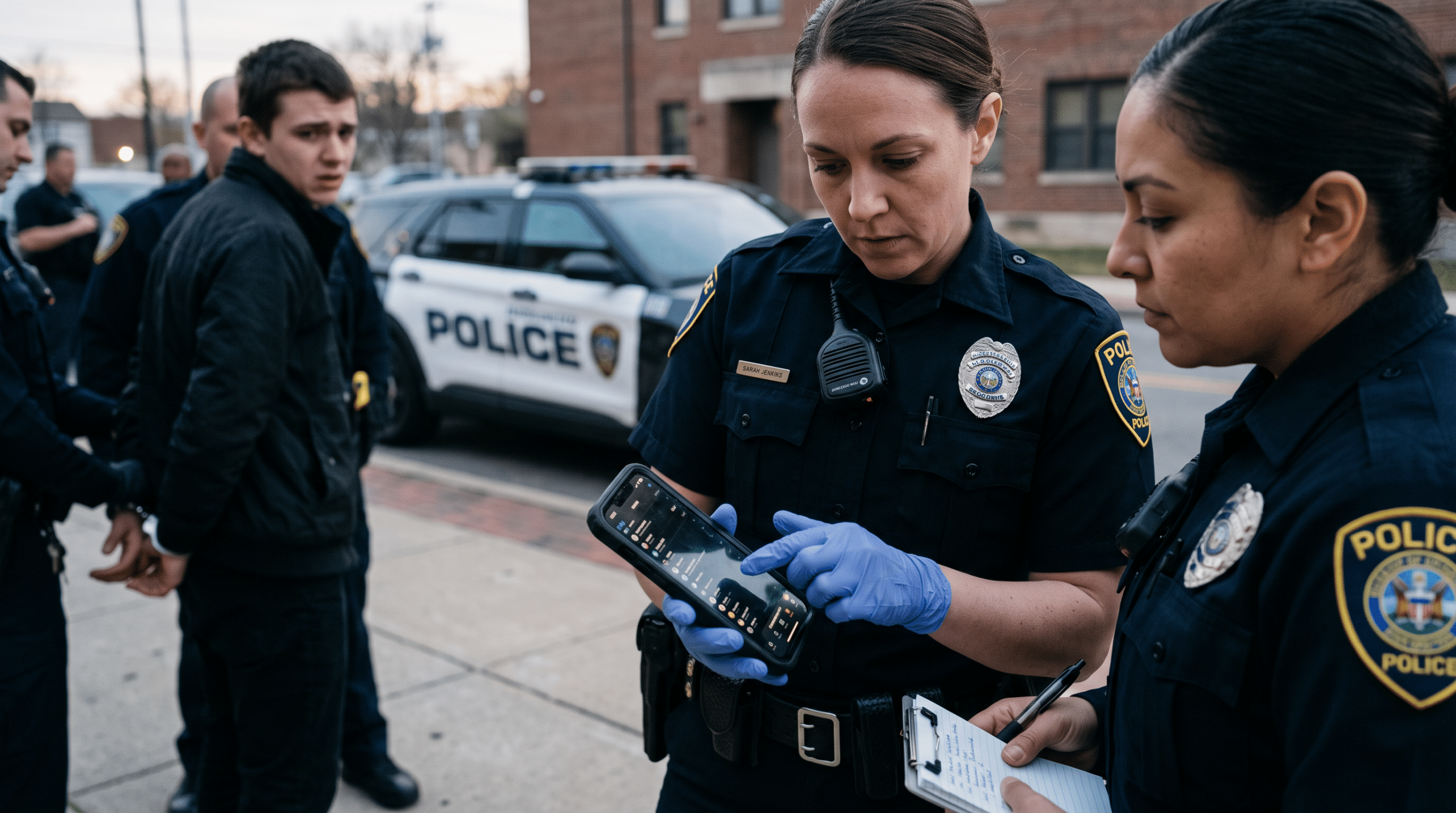
Cell phones store a lot of personal information, like texts, photos, videos, location history, banking details, contacts, and social media. All of this can become evidence in a criminal case, which makes searching a phone very different from checking a pocket or bag. If Colorado police take your phone during a DUI, drug, assault, domestic violence, theft, sex crime, or federal investigation, you might wonder what they are allowed to do with it. We help clients in Boulder and the Denver area when police use phone evidence in criminal cases. In most cases, officers need a valid warrant to search the digital contents of your phone.
The General Rule: Police Usually Need A Warrant To Search Your Phone
The main U.S. Supreme Court case on this issue is Riley v. California. In that decision, the Court said police usually need a warrant to search digital information on a cell phone taken during an arrest. The Court explained that modern phones hold a lot of private information and are different from other items someone might have with them.
This rule is important in Colorado criminal cases. Sometimes, an officer can take your phone, especially during an arrest or if they think it holds evidence. However, taking the phone and searching its contents are two different things. Police usually need legal permission to look through texts, call logs, photos, app messages, notes, videos, internet history, or location data.
Colorado Search And Seizure Protections
Colorado law also protects people against unreasonable searches and seizures. Article II, Section 7 of the Colorado Constitution states that people are secure in their persons, papers, homes, and effects from unreasonable searches and seizures. It also states that no warrant may issue without probable cause supported by oath or affirmation and without describing the place to be searched or thing to be seized as closely as possible.
Colorado’s criminal procedure laws also cover search warrants. C.R.S. § 16-3-303 explains how to apply for a search warrant and says there must be probable cause. C.R.S. § 16-3-304 explains what a warrant should include and that it must describe what is being searched or taken. These rules are important if police get a phone warrant that is too broad, unclear, or not connected to the crime.
Can Police Take Your Phone During An Arrest?
Police can take your phone during an arrest for safety, to keep evidence safe, or for booking. For example, officers might remove things from your pockets during a legal arrest. They may also hold onto your phone so it is not destroyed, hidden, or used to interfere with their investigation. If officers want to examine the contents of the phone, they usually need a warrant or a recognized legal exception. The difference between possession of the phone and access to the data is one of the most important issues in modern criminal defense.
Consent Is One Of The Biggest Exceptions
One of the most common ways police search a phone without a warrant is by asking for consent. An officer may say, “Can I look through your phone?” or “Can you unlock it for us?” In a stressful moment, many people comply because they feel pressured, confused, or afraid that refusing will make them look guilty.
You have the right to say that you do not consent to a search. You should be calm and clear. You do not need to argue. You do not need to explain yourself. A simple statement that you do not consent to a phone search can be important later. If police search anyway, your attorney can review whether the search was legal.
Consent issues can become complicated. Prosecutors may argue that the person voluntarily allowed police to search. The defense may argue that the consent was pressured, unclear, limited, or withdrawn. We look closely at body camera footage, officer reports, tone, timing, threats, promises, and whether the person understood what was happening.
Phone Searches In Drug Crime Cases
Cell phone evidence is common in Colorado drug cases. Police may search for text messages, encrypted app conversations, cash transfer records, photos, contacts, GPS data, call logs, and social media messages. In possession cases, prosecutors may look for evidence tying a person to drugs found in a car, house, hotel room, or shared apartment. In distribution or trafficking cases, they may argue that messages or app records show sales, quantities, pricing, delivery plans, or intent to distribute.
That does not mean every phone search is valid. A drug investigation does not give police unlimited access to every part of a phone. A warrant should be tied to probable cause and should describe what officers are allowed to search. A warrant that allows a broad search of every file, every app, and every category of data may raise serious legal problems, depending on the facts.
Phone Searches In Domestic Violence, Assault, And Sex Crime Cases
Phone evidence can also be central in domestic violence, assault, harassment, stalking, and sex crime investigations. Police may look for text messages, photos, videos, call logs, location data, social media posts, dating app messages, or deleted communications. In some cases, the accusation may depend almost entirely on digital communication.
These cases require careful review because phone evidence can be incomplete or misleading. A single screenshot may omit earlier messages. A deleted message may be interpreted incorrectly. A location record may not prove who had the phone. A photo or video may lack context. We examine whether the search was lawful, whether the evidence is complete, and whether the prosecution is drawing conclusions that the digital record does not fully support.
What Happens If Police Search Your Phone Illegally?
If police violate your search and seizure rights, we may be able to file a motion to suppress evidence. A suppression motion asks the court to exclude evidence obtained through an unlawful search or seizure. If phone evidence is suppressed, the prosecution may lose texts, photos, videos, call logs, app messages, location data, or other digital material it planned to use.
Suppression can change the direction of a case. It may lead to reduced charges, better plea negotiations, or dismissal if the prosecution cannot prove the case without the illegally obtained evidence. Not every bad search leads to dismissal, and not every warrant issue results in suppression. Still, phone searches deserve close review because the evidence can be powerful and deeply personal.
What You Should Do If Police Want Your Phone
If police ask to search your phone, stay calm. Do not fight, resist, or delete anything. Deleting data can create additional problems. You can state that you do not consent to a search and that you want to speak with an attorney. If police already have your phone, do not guess about what they can access. Do not discuss passwords, apps, messages, photos, or the facts of the case with officers.
You should contact a criminal defense attorney quickly. Phone evidence can affect charging decisions, bond conditions, plea negotiations, trial strategy, and collateral issues involving employment, school, professional licensing, immigration, or family court. Early defense work can help protect your rights before the case grows more serious.
Call Watkins Law Firm LLC For Help With A Cell Phone Search In A Colorado Criminal Case
If police searched or took your phone, asked for your password, or used texts, photos, location data, or app records against you, Watkins Law Firm LLC can help. Phone evidence is often key in drug cases, DUIs, domestic violence, theft, assault, sex crimes, and federal investigations. We check if police had a valid warrant, if consent was legal, and if the evidence can be challenged.
Contact our Boulder criminal defense attorney by calling us 24/7 at 303-507-1324 for your free consultation. Our Boulder drug crime defense lawyer helps clients in Boulder and the Denver area from our Boulder office.
