
Can You Be Held Without Bond In A Federal Criminal Case?
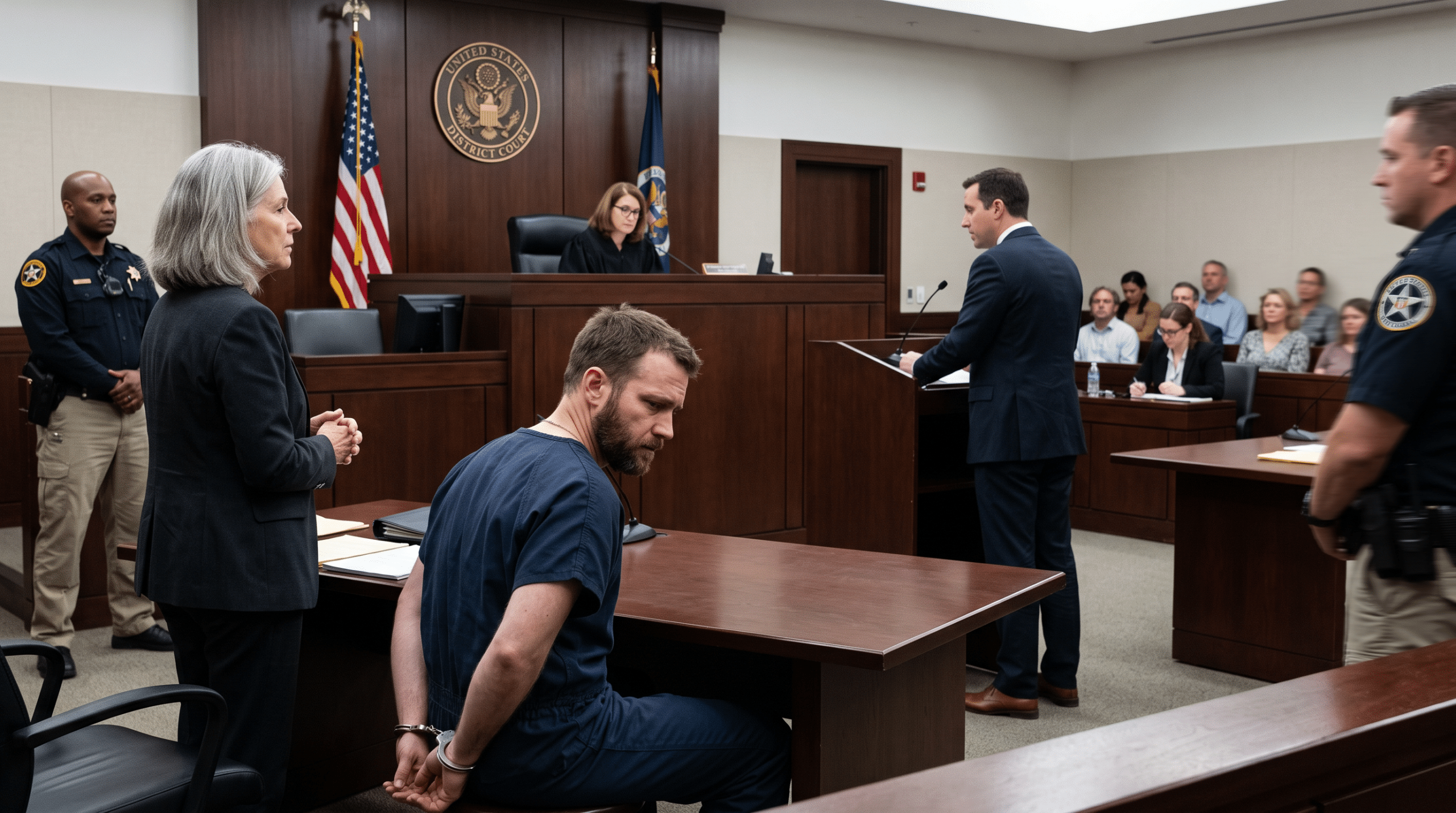
Getting arrested in a federal case is not the same as being arrested in most Colorado state cases. Things can move fast in the first few days, and one of the biggest questions is whether you will be released while your case is pending. In federal court, release does not always depend on paying a cash bond.
Instead, the judge decides if there are conditions that can make sure you show up in court and keep the community safe. We know this process can be scary for people facing federal drug, firearm, financial, sex crime, or other serious charges. At Watkins Law Firm LLC, we help clients in Boulder and the Denver area when federal charges put their freedom, reputation, job, and family at risk.
Federal Bond Is Different From Colorado State Bond
In many Colorado state criminal cases, people usually talk about how much the bond is and whether the defendant can pay it. Federal court is different. Under 18 U.S.C. § 3142, the court can release someone on their own promise to return, set conditions for release, require a secured or unsecured bond, or order detention before trial.
The main issue is not just how much money someone can pay. The court looks at whether the person might run away or pose a danger to the community. Even someone with money can be kept in jail if the judge thinks no release conditions will solve these problems. Someone without much money might still be released if there is a solid plan. This is why getting ready for the detention hearing is so important.
What Happens At A Federal Detention Hearing?
After a federal arrest, the person usually goes before a magistrate judge. The court will talk about who the person is, whether they have a lawyer, what the charges are, and if release is possible. If the government wants the person held, the court may schedule a detention hearing.
At the hearing, the judge decides if the person should be released or kept in custody while the case goes on. The usual rules for evidence are not as strict as they are at trial. Prosecutors can use summaries, reports, criminal history, and other information. The defense can share arguments, documents, witness details, job records, family support, treatment plans, and ideas for release conditions.
The detention hearing can affect the whole case. If someone is kept in jail, it can be much harder for them to work, support their family, review evidence, help their lawyer, and get ready for trial. That is why we see the detention hearing as a key moment, not just another court date.
Why Federal Judges Detain Some Defendants Without Bond
Under 18 U.S.C. § 3142, a judge can keep someone in custody if there are no conditions that will make sure the person comes to court and keeps others safe. The court does not have to remove all risk, just decide if the risk can be managed with certain conditions.
Judges look at the type of charge, how strong the evidence is, the person’s background, and how serious any possible danger might be. Things like a person’s criminal record, ties to Colorado, job history, family responsibilities, substance use, access to weapons, immigration status, past missed court dates, probation, and their role in the case can all be important.
In federal drug cases, prosecutors might say that the amount of drugs, a distribution network, access to money, or links to firearms make release unsafe. In sex crime cases, they may focus on contact with minors, internet use, past allegations, or victim safety. In financial cases, they may look at access to money, passports, foreign contacts, or the risk of running away.
The Rebuttable Presumption In Serious Federal Cases
Some federal charges start with a rebuttable presumption that no release condition will be enough to make sure the person comes to court and keeps the community safe. This can happen in serious drug, firearm, terrorism, or minor-victim cases, and other crimes listed in federal law. In drug cases, this usually applies if the charge could lead to ten years or more in prison under the Controlled Substances Act.
A rebuttable presumption does not mean release cannot happen. It means the defense needs to show why detention is not needed. The defense does not have to prove everything, but the presumption is still part of what the court considers. Prosecutors often use it as a main argument. We answer by creating a release plan that deals with the court’s concerns.
Conditions That May Help A Defendant Seek Release
Federal judges can set many different release conditions. These might include supervision by pretrial services, limits on travel, giving up your passport, no contact with certain people, no firearms, drug testing, substance abuse treatment, mental health care, electronic monitoring, home detention, job requirements, internet limits, financial reporting, or staying with a responsible third-party custodian.
The right release plan depends on the charge and the risks involved. For a federal drug case, the plan might focus on treatment, stable housing, a job, no contact with co-defendants, and no access to firearms. For a sex crime case, it could include internet limits, no contact with minors, counseling, device restrictions, and close supervision. For a financial crime, it might mean giving up a passport, limiting assets, and showing strong ties to Colorado.
How A Federal Detention Order Can Affect The Defense
Being held before trial can put a lot of stress on someone. People in jail may feel rushed to make decisions because their lives are turned upside down. Jail can affect your job, home, parenting, health care, reputation, and family finances. It can also make it harder to talk with your lawyer.
We do not want our clients to make decisions out of fear. If the government wants someone held, we challenge weak claims, correct wrong information, and show the client as a real person with ties, responsibilities, and a solid release plan. If detention is ordered, there may be ways to ask for a review of the order under federal law, depending on the case.
Colorado State Charges And Federal Charges May Overlap
Some people first learn that they are under federal investigation after being arrested locally in Colorado. Others hear from federal agents before any arrest. A case can become federal because of the amount of drugs involved, activity across state lines, firearms, alleged trafficking, internet activity, federal task force involvement, or investigations by agencies such as the FBI, DEA, ATF, HSI, or the U.S. Postal Inspection Service.
A person may also face Colorado state consequences at the same time, especially if there are related state arrests, warrants, probation matters, protection orders, or family law concerns. Federal detention decisions are made under federal law, but the practical impact is felt here in Boulder, Denver, and the surrounding communities. Your job, family, home, license, and reputation may all be affected.
Why Early Legal Defense Matters Before The Detention Hearing
The detention hearing may happen very early. Waiting too long can leave the defense without the documents, witnesses, and release plan needed to answer the government’s claims. Before the hearing, we may need to gather employment records, medical information, treatment options, family support, housing details, travel history, proof of Colorado ties, and information about a possible third-party custodian.
We also review the allegations, criminal complaint, indictment, affidavit, agent statements, and any known evidence. Our goal is to show the court that release conditions can address the real issues in the case. A strong detention-hearing presentation cannot guarantee release, but it can make a meaningful difference.
Call Watkins Law Firm LLC For Help With A Federal Detention Hearing
If you or someone you love has been arrested in a federal criminal case, the detention hearing may be one of the most important early stages of the case. Watkins Law Firm LLC defends clients facing federal drug allegations, serious criminal charges, and related investigations in Boulder and throughout the Denver area. We understand what is at stake when the government asks to hold someone without bond.
Contact our Boulder federal defense lawyer by calling us 24/7 at 303-507-1324 for your free consultation. Our Boulder drug crime defense lawyer represents clients in Boulder and throughout the Denver area from our office locations in Boulder, Colorado.
