
How Text Messages Can Affect A Colorado Sex Crime Case
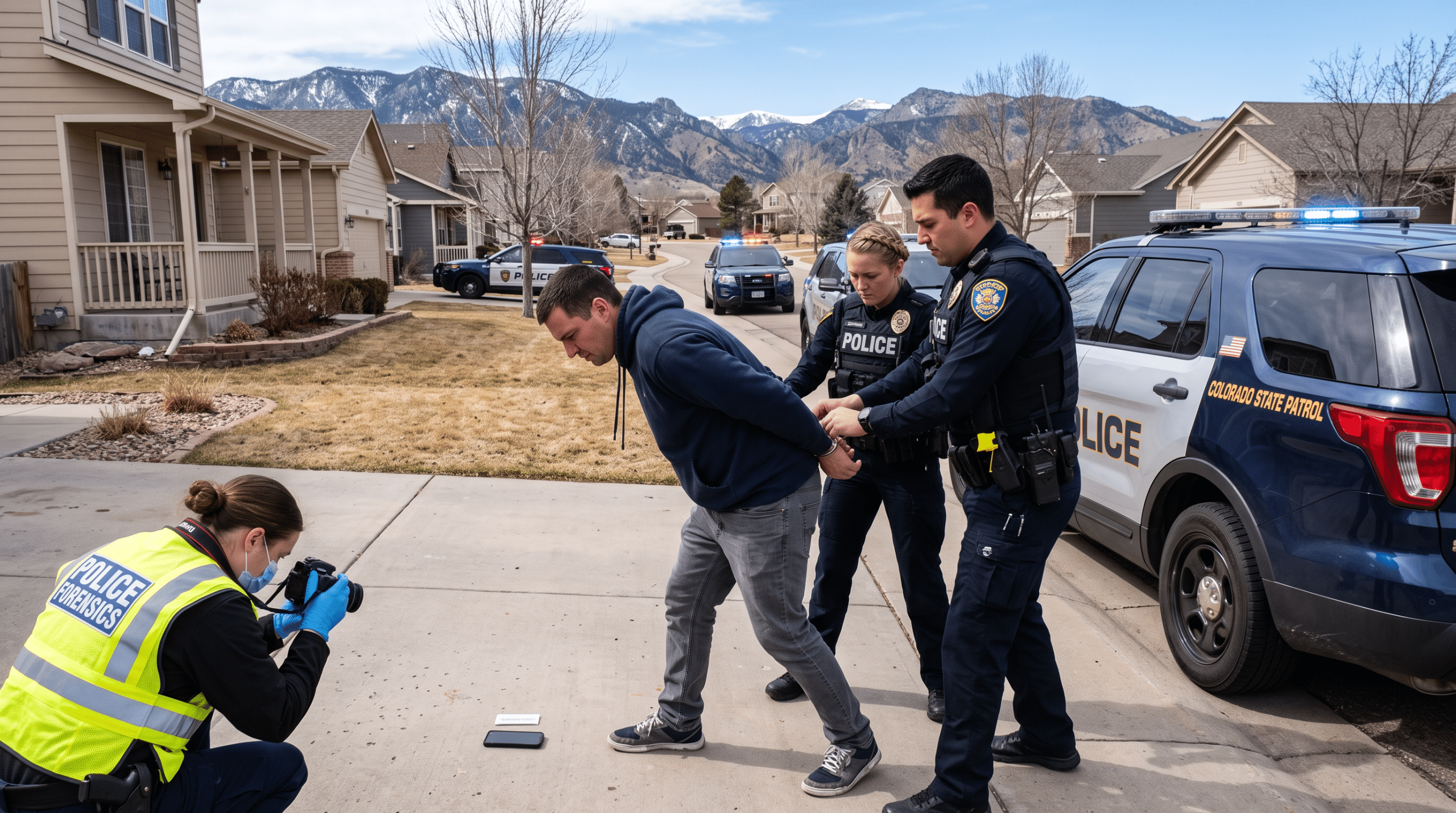
Text messages often play a key role in Boulder sex crime cases. Just a few words on a phone can be used to argue about consent, intent, identity, age, force, fear, planning, grooming, regret, motive, or even a false accusation. We have seen people make things worse by replying to an accuser, deleting messages, sending apologies, or trying to explain themselves before talking to a defense attorney.
Sex crime allegations already come with serious risks, like jail or prison, sex offender registration, job loss, school discipline, problems with professional licenses, and public embarrassment. When digital evidence is involved, small details that might not show up in a screenshot can make a big difference. At Watkins Law Firm LLC, we help people in Boulder and the Denver area who are facing serious Colorado sex crime charges and need help protecting their rights right away.
Text Messages Can Shape The Story Of The Case
In Colorado sex crime cases, what each side says happened is often crucial. Text messages can be powerful because they show the conversation in the parties’ own words. Prosecutors might use messages sent before the alleged incident to argue there was planning, pressure, sexual interest, awareness of age, or intent. They might use messages sent after the incident to suggest guilt, apology, intimidation, or an attempt to influence the accuser.
The defense can also use text messages in important ways. Messages might show flirtation, consent, inconsistent statements, jealousy, a motive to lie, a continued relationship, friendly contact after the alleged incident, or statements that go against the accusation. Timing, order, and full context are important. A single screenshot can be misleading. We want to see the whole conversation, not just the part the accuser or police chose to keep.
Colorado Sex Crime Charges That May Involve Text Messages
Text messages may appear in many types of sex crime cases. Sexual assault is charged under C.R.S. § 18-3-402 and can involve allegations of sexual penetration or intrusion under circumstances addressed by the statute. Unlawful sexual contact is addressed under C.R.S. § 18-3-404 and may involve allegations of sexual contact without consent, coercion, force, or other legally significant circumstances.
Digital communication is especially important in cases involving minors or online contact. Colorado’s internet sexual exploitation of a child law, C.R.S. § 18-3-405.4, covers communication through computer networks, phone networks, data networks, text messages, or instant messages. Someone can face serious felony charges if prosecutors say they knowingly invited, enticed, or encouraged a person believed to be under fifteen and at least four years younger to do something covered by the law. Text messages can also be important in cases about alleged luring, sexting, images, social media messages, or police undercover work.
Screenshots Are Not Always The Whole Truth
Many cases start with screenshots. While screenshots can be helpful, they have limits. A screenshot might leave out earlier or later messages, names, dates, phone numbers, deleted replies, edits, app details, or whether the account really belonged to the accused person. It might also miss whether a message was part of a longer argument, joke, role-play, flirtation, or conversation that changes its meaning.
We do not assume that We do not assume that every screenshot shows the whole story. We check for missing context, cropping, changed display names, time gaps, use of different apps, group chats, disappearing messages, and whether someone else had access to the phone or account. Sometimes, the defense needs phone extractions, metadata, carrier records, cloud records, or a forensic review to see if the messages are accurate and complete.
Authentication And Admissibility Matter
Before text messages can be used in court, the party offering them generally must show that the messages are what they claim to be. Evidence authentication principles are reflected in Rule 901, which requires enough evidence to support a finding that the item is what the proponent claims. Courts may consider phone numbers, contact names, message content, account ownership, witness testimony, surrounding circumstances, photographs, metadata, device records, and other supporting proof when deciding whether digital messages have a proper foundation.
Admissibility is about more than just authentication. The court may look at relevance, unfair prejudice, hearsay, completeness, and whether the messages are being used to prove what they say or for another reason, like their effect on the listener or the sender’s state of mind. Text messages might seem simple, but the legal arguments about whether and how they are used, and what the jury can consider, are often very important.
Deleting Messages Can Create New Problems
If you are accused of a sex crime, do not delete texts, photos, social media messages, app conversations, emails, call logs, or cloud backups. Deleting messages may look like panic, but police and prosecutors may treat it as evidence of guilt. Colorado’s tampering with physical evidence statute, C.R.S. § 18-8-610, applies when a person believes an official proceeding is pending or about to begin and acts without legal authority to destroy, alter, conceal, or remove physical evidence with intent to impair its availability. The statute defines physical evidence to include records and other things of physical substance, and tampering with evidence in a felony case can itself be charged as a class 6 felony.
Keeping your messages does not mean you should explain them to the police. Instead, stop talking about the accusation and let your defense attorney look at the evidence. Sometimes, trying to explain can be worse than saying nothing. Deleting a message can be worse than having an uncomfortable one.
Text Messages Can Help Or Hurt Consent Defenses
Consent is often a central issue in Colorado sex crime cases involving adults. Text messages may show what the parties said before, during, or after the alleged incident. They may show attraction, boundaries, plans, intoxication, disagreement, confusion, regret, anger, or inconsistent statements. Prosecutors may argue that a message shows pressure, manipulation, or lack of consent. The defense may argue that the same conversation shows mutual interest, consent, or a later change in the accusation.
The challenge is that jurors may interpret texts based on their own assumptions. Sarcasm, slang, emojis, late-night messages, conversations while intoxicated, and incomplete threads can all be misunderstood. We work to put messages in context so the court sees more than just a few words taken from a longer conversation.
Text Messages In Minor And Online Sex Crime Cases
Text messages can be even more dangerous in cases involving alleged minors. Police may use undercover accounts, social media apps, dating apps, chat platforms, and messaging records to build a case. Prosecutors may focus on age discussions, sexual language, requests for images, plans to meet, or statements suggesting knowledge of age.
In these cases, the defense may look at whether the accused knew or believed the person was underage, whether the messages were properly verified, whether police created or guided parts of the conversation, whether the messages actually support the charge, and whether the alleged actions meet the legal requirements. You should never try to contact the alleged minor, accuser, parent, witness, or investigating officer to try to explain or clear things up. Doing so can make the situation much worse.
How We Defend Sex Crime Cases Involving Text Messages
We begin by protecting our client from further harm. This usually means stopping all contact, saving evidence, checking bond conditions, and managing what is said to police, prosecutors, schools, employers, or licensing agencies. Next, we review the full message history, not just certain screenshots. We compare these messages with police reports, witness statements, forensic downloads, social media records, call logs, location data, and timeline evidence.
We look for context, missing messages, inconsistent statements, false assumptions, problems with verifying messages, illegal searches, and weak connections between the phone and the accused. We also check if law enforcement followed the right steps when taking or searching a phone. A sex crime accusation can affect every part of your life. The defense needs to be careful, quick, and based on real evidence.
FAQs About Text Messages In Colorado Sex Crime Cases
Can Text Messages Be Used Against Me In A Colorado Sex Crime Case?
Yes. Prosecutors can use text messages if they are relevant, properly verified, and allowed by the court. Messages might be used to argue intent, consent, lack of consent, age, knowledge, planning, apology, threats, or attempts to influence the accuser. A message does not have to say “I did it” to harm the defense. Prosecutors can take ordinary words and use them in a way that looks bad. That is why we review the whole conversation, not just the messages the police picked.
Can Text Messages Help My Defense?
Yes. Text messages may help the defense when they show consent, friendly contact after the alleged event, inconsistent statements, motive to lie, jealousy, anger, continued communication, or facts that do not match the accusation. They may also show that the accused misunderstood the situation or that the accuser’s later statement is different from what was said at the time. Helpful texts must still be handled correctly. We may need the full thread, metadata, phone records, or forensic review to strengthen the foundation for using them.
Should I Delete Text Messages After A Sex Crime Accusation?
No. Deleting messages can create serious problems. If police or prosecutors believe you deleted evidence because a case was pending or about to begin, they may accuse you of trying to hide or destroy evidence. Colorado’s tampering with physical evidence statute, C.R.S. § 18-8-610, can create a separate criminal charge in some circumstances. Even if the message feels embarrassing or harmful, deleting it may make the situation worse. Preserve the phone and messages, stop discussing the accusation, and speak with a defense attorney before taking any action.
Should I Text The Accuser To Explain What Happened?
No. Do not text, call, message, email, or contact the accuser after a sex crime allegation. Even a respectful message can be used against you. Prosecutors may argue that you were apologizing, pressuring the accuser, influencing a witness, or violating a protection order or bond condition. If there is a no-contact order, even one short message can create a new criminal problem. The safest step is to stop all contact and let your attorney handle communication through proper legal channels.
Can Police Search My Phone For Text Messages?
Police often try to obtain text messages through consent, a search warrant, phone extraction, cloud records, screenshots from another person, or carrier-related records. Whether the search was lawful depends on the facts. We review how police obtained the phone, whether the person consented, what the warrant allowed, whether the search exceeded the legal scope, and whether the evidence should be challenged. A phone can contain private material far beyond the alleged case, so search-and-seizure issues are often important.
What If The Text Messages Were Taken Out Of Context?
Context can change everything. A screenshot may leave out the start of a conversation, the tone, prior messages, later clarifications, jokes, sarcasm, or facts showing that the message meant something different. We look for full threads, app records, phone backups, timestamps, deleted-message indicators, and other evidence that explains the exchange. If prosecutors rely on only a few selected lines, we work to show the broader picture. In sex crime cases, context can affect how a judge, prosecutor, or jury understands consent, intent, credibility, and reasonable doubt.
Call Watkins Law Firm LLC For Help With A Colorado Sex Crime Case
If you are being investigated or charged in a Colorado sex crime case involving text messages, social media messages, dating app records, or phone evidence, Watkins Law Firm LLC can help. These cases can affect your freedom, record, family, career, reputation, and future. We defend clients in Boulder and throughout the Denver area against serious criminal allegations, including sex crime accusations involving digital evidence.
Contact our Boulder sex crime lawyer by calling us 24/7 at 303-507-1324 for your free consultation. Our Boulder drug crime defense lawyer represents clients in Boulder and throughout the Denver area from our office location in Boulder, Colorado.
