
What Are The Punishments For A 2nd DUI In Colorado
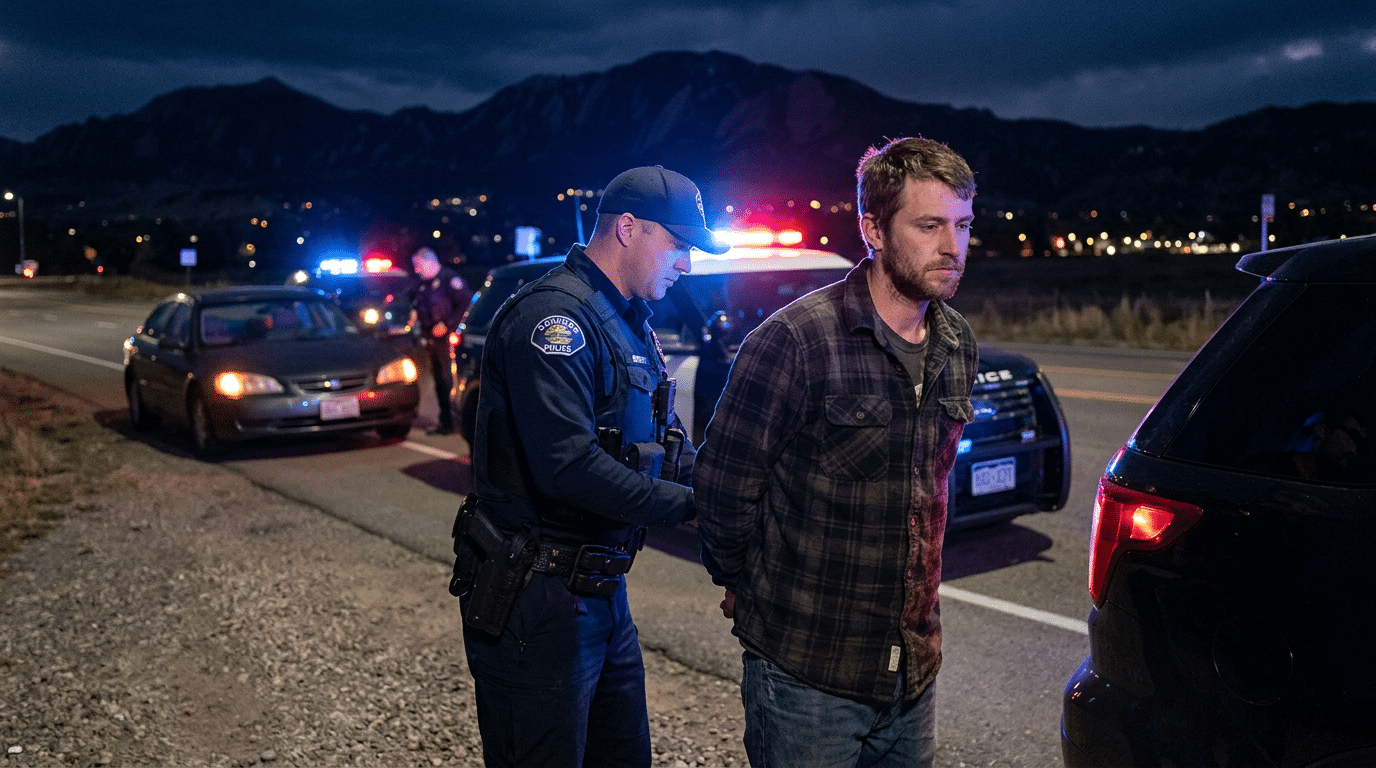
A second DUI in Colorado is much more serious than a first. The court will not see it as a simple mistake or just another traffic issue. If you already have a DUI, DWAI, DUI per se, or a similar alcohol- or drug-related driving conviction, a new arrest can mean mandatory jail, probation, license problems, alcohol treatment, monitored sobriety, and ignition interlock requirements. We know how stressful it is to face a second DUI charge when your job, license, family, and freedom are at risk. At Watkins Law Firm LLC, we help people in Boulder and the Denver area who are accused of DUI, DWAI, DUID, and related impaired driving offenses under Colorado law.
Colorado DUI And DWAI Law
Colorado DUI and DWAI offenses are covered by C.R.S. § 42-4-1301. You can be charged with DUI if the prosecution says alcohol, drugs, or both made you unable to drive safely. You can be charged with DWAI if they claim alcohol, drugs, or both affected you even a little, making you less able than usual to drive safely.
Colorado also has DUI per se, which means driving with a blood alcohol content of 0.08 or higher at the time of driving or within two hours after. A second offense can involve alcohol, marijuana, prescription drugs, illegal drugs, or a mix of these. Having a prior conviction is important because Colorado law gives harsher penalties if you have a previous alcohol- or drug-related driving offense.
Jail Time For A 2nd DUI In Colorado
Jail is the most important punishment to know about. Under C.R.S. § 42-4-1307, if you are convicted of DUI, DUI per se, or DWAI and have one prior similar conviction, you face tougher penalties. For a second offense, Colorado law usually sets a jail sentence between 10 days and one year.
Mandatory jail time is a big reason why a second DUI needs quick legal help. Depending on your case, the court might allow options like work release, in-home detention, or other programs, but these are not guaranteed. Judges consider your record, BAC level, if you refused testing, if there was an accident or injury, if a child was in the car, and if you followed past court orders.
Fines, Public Service, And Probation
A second DUI or DWAI conviction can also mean fines, court costs, public service, probation, treatment, and other expenses. Under C.R.S. § 42-4-1307, fines for a second DUI can range from $600 to $1,500, and public service can be from 48 to 120 hours. The court may also order probation, alcohol and drug evaluation, treatment, monitored sobriety, random testing, attending a victim impact panel, and following any recommended therapy or education.
These requirements can impact your work and family life. Missing a test, not finishing treatment, drinking alcohol while on monitored sobriety, or breaking probation rules can lead to more court hearings and even jail. We help clients understand both the possible punishments and the real-life demands of a second DUI sentence.
License Revocation And DMV Consequences
A second DUI can also start a separate DMV case. C.R.S. § 42-2-126 covers Colorado’s rules for taking away your license if you have a high BAC or refuse testing. This DMV process is different from the criminal court case. You can lose your license even before the criminal case is finished.
If your arrest included a breath test, blood test, or refusal, the Colorado DMV may try to take away your license. You usually have only a short time to ask for an Express Consent hearing. If you miss the deadline, your license can be revoked. Losing your license can cause big problems if you need to drive for work, take kids to school, go to medical appointments, or meet court and probation rules.
Ignition Interlock Requirements
A second DUI can also mean you have to use an ignition interlock device. The Colorado DMV often requires drivers to install this device after an alcohol-related license revocation before they can get back or keep limited driving privileges. The DMV says some alcohol-related revocations need a restricted license with an ignition interlock for a set time, and repeat violations can make the requirements last even longer.
An ignition interlock device is not just an inconvenience. It costs money, requires maintenance, records test results, and can create additional problems if there are missed tests, failed tests, or alleged tampering. For working professionals, parents, students, and people who rely on transportation every day, the license and interlock consequences can be as damaging as the court sentence.
When A DUI Becomes A Felony In Colorado
A second DUI is generally not the same as a felony DUI based only on the number of prior offenses. Under C.R.S. § 42-4-1301, DUI, DUI per se, and DWAI may be charged as a felony when the offense occurs after three or more prior qualifying convictions from separate and distinct criminal episodes. That means a fourth qualifying DUI-related offense can create felony exposure.
However, a second DUI can still become more serious for other reasons. If there is a crash, serious bodily injury, death, child passenger allegation, eluding, hit-and-run accusation, or other aggravating conduct, the driver may face additional charges beyond DUI. A second DUI also puts the person closer to felony exposure if another arrest occurs in the future. That is why fighting the second case matters.
How A 2nd DUI Can Affect Your Job And Future
A second DUI can affect employment, professional licensing, security clearances, commercial driving privileges, insurance, immigration status, and family responsibilities. Employers may view a repeat impaired driving charge as a sign of risk, especially if the job involves driving, company vehicles, public safety, healthcare, education, law enforcement, aviation, or licensed professional work.
A conviction can also appear on background checks and create long-term record concerns. Even if jail time is short, the career consequences can last much longer. We consider those issues when building a defense strategy. Our goal is not only to address the immediate charge but also to reduce the damage to your license, record, work, and future.
Defense Issues In A Colorado 2nd DUI Case
A prior conviction does not prove the new case. Prosecutors still have to prove the traffic stop, driving, impairment or BAC, chemical testing issues, and every legal element. We review the officer’s reason for the stop, field sobriety testing, body camera footage, breath testing records, blood testing procedures, drug recognition evidence, chain of custody, police reports, and witness statements.
Some cases involve unlawful stops, weak driving evidence, medical issues, improper testing, poor officer observations, or problems with the chemical test. In drug DUI cases, the presence of a substance does not always prove impairment at the time of driving. We work to find the facts that matter, challenge weak evidence, and pursue the best available result.
FAQs About 2nd DUI Punishments In Colorado
Is Jail Mandatory For A 2nd DUI In Colorado?
A second qualifying DUI, DUI per se, or DWAI conviction in Colorado generally carries mandatory jail exposure under C.R.S. § 42-4-1307. The sentencing range is serious because Colorado law treats repeat impaired driving more harshly than a first offense. The exact sentence depends on the facts, the prior conviction, BAC level, refusal issues, accident allegations, compliance history, and the judge’s sentencing decision. Some cases may involve alternative sentencing options, but those options are not guaranteed. The defense strategy should begin early because reducing the charge, challenging the evidence, or improving the sentencing posture can make a major difference.
Can I Lose My License For A 2nd DUI In Colorado?
Yes. A second DUI-related arrest can create major driver’s license consequences through the Colorado DMV. The DMV case is separate from the criminal case. Under C.R.S. § 42-2-126, the DMV may revoke driving privileges after an excess BAC result or refusal. The driver usually has a short period to request an Express Consent hearing. If the hearing is not requested on time, the revocation may begin. Reinstatement may require ignition interlock, fees, insurance filings, treatment, and compliance with DMV rules. Losing your license can affect employment, parenting, school, and basic daily responsibilities.
Is A 2nd DUI A Felony In Colorado?
A second DUI is not automatically a felony, only because it is the second offense. Under C.R.S. § 42-4-1301, DUI, DUI per se, and DWAI may become felonies when the offense occurs after three or more prior qualifying convictions arising from separate and distinct criminal episodes. However, a second DUI can still be very serious. Additional facts, such as a crash, injury, child passenger, or other criminal allegation, may lead to separate charges. A second conviction also increases future risk because another arrest can move the person closer to felony DUI exposure.
What Is The Difference Between DUI And DWAI For A Second Offense?
DUI and DWAI are different levels of alleged impairment under Colorado law. DUI generally means the prosecution claims the driver was substantially incapable of safely operating a vehicle due to alcohol, drugs, or both. DWAI generally means the prosecution claims the driver was affected to the slightest degree and less able than usual to drive safely. For a second offense, both can carry serious consequences. A prior DWAI can count as a prior alcohol-related driving conviction, and a new DWAI can still create mandatory penalties, license concerns, probation, treatment, and long-term record issues.
Can A 2nd DUI Be Reduced In Colorado?
A second DUI can sometimes be reduced, but it depends on the facts and the strength of the evidence. Prosecutors are often less flexible in repeat DUI cases because Colorado law treats repeat impaired driving seriously. Still, weaknesses in the stop, arrest, field sobriety tests, breath test, blood test, drug evidence, or officer observations may create room for a better outcome. A reduction may also depend on the client’s history, treatment efforts, compliance, and whether there was an accident or injury. We examine every issue before advising a client about possible resolutions.
Should I Fight A 2nd DUI If My BAC Was Over The Limit?
Yes, you should still have the case reviewed carefully. A BAC result does not automatically prove the entire case. The prosecution must still prove lawful police conduct, proper testing procedures, timing, reliability, and compliance with required rules. Breath and blood tests can involve errors, maintenance problems, contamination issues, timing disputes, chain-of-custody concerns, and interpretation problems. In some cases, the legal issue is not whether alcohol was present, but whether the government can prove the charge beyond a reasonable doubt. A second DUI has too much at stake to assume there is nothing to fight for.
Call Watkins Law Firm LLC For Help With A 2nd DUI Charge In Colorado
If you are facing a second DUI, DWAI, DUI per se, or drug-related driving charge in Colorado, Watkins Law Firm LLC can help. A second offense can threaten your freedom, license, job, record, and family stability. We defend clients in Boulder and throughout the Denver area against serious impaired driving and drug-related criminal allegations.
Contact our Boulder DUI lawyer by calling us 24/7 at 303-507-1324 for your free consultation. Our Boulder drug crime defense lawyer represents clients in Boulder and throughout the Denver area from our office locations in Boulder, Colorado.
